
Health Insurance in Europe in 2026: A Guide for Expats
Expats in Europe can choose between public healthcare and private insurance, depending on their residency status and healthcare needs. Most European countries offer universal health coverage that expats may qualify for, but many also opt for private insurance for broader services and faster care.
Discover the world's top
health insurers.
Compare quotes with
a click of the button.
This Pacific Prime blog will introduce how health insurance works in Europe, what the different healthcare systems are like, who the leading international health insurance providers are in Europe, and what it’s like caring for your health in Europe.
Please contact our insurance experts after reading this article, and we’ll answer any questions you have, help you compare insurance quotes, and direct you to the best providers in Europe.
Public and Private Health Insurance for Expats in Europe

The structure of health insurance in Europe is overseen by each country. Many European nations have universal healthcare with some form of government-run public insurance system. Expats and immigrants may qualify for these insurance schemes, or they may need private insurance.
Whether relocating for work, retirement, or lifestyle, expats must prioritize securing the right health insurance. Understanding how healthcare works in your chosen country and comparing top providers like Cigna, Blue Cross Blue Shield Global Solutions, and Bupa can help you find the right plan.
It is also essential for expatriates, digital nomads, and foreign retirees to research the healthcare system of their country in Europe so they know their options ahead of time.
Understanding the healthcare system and securing insurance is especially important for expats since health insurance is a requirement for most long-term visas to European countries, and most expats do not receive qualifying public coverage right away.
As an example, in France, expats and immigrants do qualify to participate in the state medical insurance. This is great since not all countries grant insurance benefits to foreigners.
However, state insurance does not cover 100% of medical fees, so many expats in France choose to take out an additional private insurance plan as well.
How Expat Health Insurance Systems Work in Europe
Expatriates living in Europe typically either sign up for government-subsidized insurance through the local universal healthcare system, or expats purchase a private insurance plan. If you qualify for state insurance, premiums are automatically contributed from your paycheck to the government.
This can be connected to social security, though it depends on the country.
Understanding Europe’s State-Subsidized Insurance
If you use subsidized health insurance in your European country, you usually have access to healthcare in any public clinic or hospital. After your services are provided, you may have no charge, or you may have a small copay due at the time of service.
Universal health insurance meets the needs of many people and their families. For serious conditions, however, additional financial coverage beyond the basic plan may be required for medical services.
Why Expats Choose Private Health Insurance in Europe
Expats and foreigners living in Europe who want more financial protection may consider securing a private health insurance plan. These plans can provide more comprehensive benefits than the state offers, and you may get additional coverage for services like maternity, dental, and outpatient care.
If this is the route you want, you can:
Step 1: Find the right provider and plan through the aid of an insurance broker.
Step 2: Once you’ve established coverage, you can seek medical treatment from a medical professional of your choosing within the network of your insurance provider.
Step 3: After getting care, you may or may not need to pay a copay fee on the day of treatment.
Step 4: Some insurance providers will take care of your medical fees directly and others will require you to pay the bills and submit a claim for reimbursements later on.
Top European Countries for Expat Health Coverage
Leading destinations for expats with strong healthcare systems include Sweden, Switzerland, the Netherlands, Luxembourg, Finland, Belgium, France, Germany, Spain, and Ireland. These countries consistently rank highly in OECD and WHO assessments for accessibility and quality of care.
You can find private health insurance in almost any European country, and many have superb universal healthcare systems in place.
Best Private Health Insurance Providers for Expats in Europe
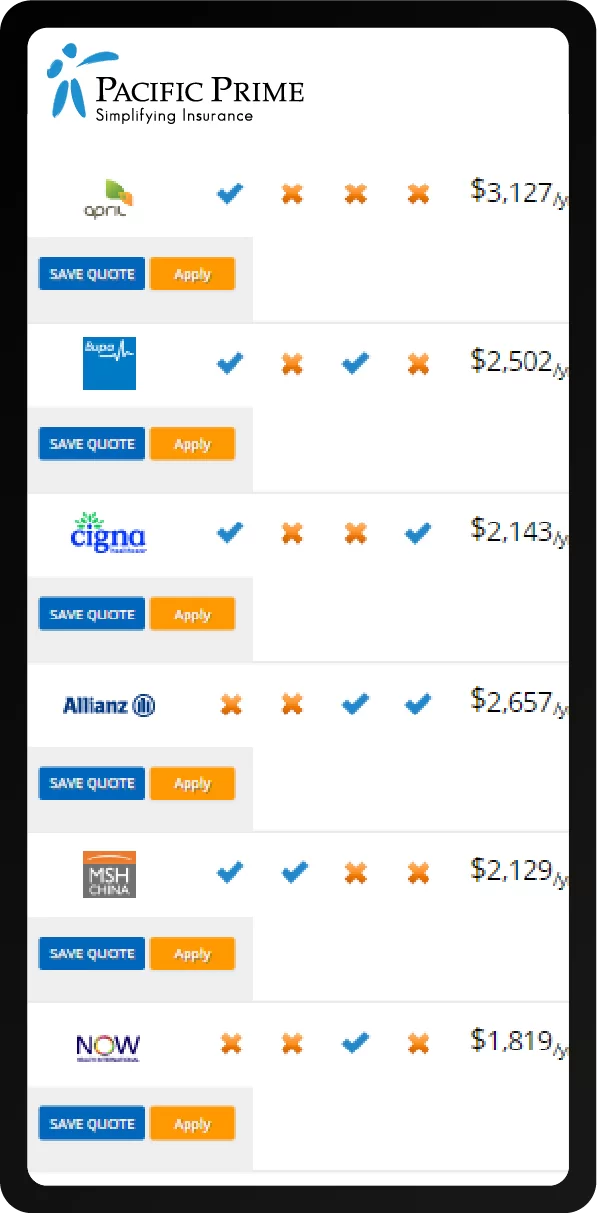
Among the leading private health insurance providers in Europe are Cigna Global, Blue Cross Blue Shield Global Solutions, and Bupa. Foreigners and expats should consider their plans carefully. You can also seek advice from an insurance broker who partners with each of these providers.
Get a quote online for any of these plans or message an insurance broker directly!
Cigna International Insurance Plans for Expats
Cigna Global offers international health insurance to expats living in more than 200 markets and territories around the world. Cigna has 1.5 million health professionals and 24/7 customer support workers who speak more than 50 languages. Individuals, families, and businesses can get Cigna coverage.
Cigna has four core international health insurance plans for expats in Europe:
- Silver: This plan has the core medical benefits all expats need, and it has an annual limit of USD $1,000,000.
- Gold: This plan has more expansive coverage than Silver, and it has an annual limit of USD $2,000,000.
- Platinum: This plan has the most comprehensive coverage and an unlimited annual limit.
- Close Care: This is an affordable option for expats who only want international health insurance for the country they are living in and the country of their nationality.
Blue Cross Blue Shield Global Solutions (BCBSGS) Health Insurance Plans for Living in Europe
BCBSGS offers long-term and short-term insurance options for medical coverage abroad. Travel and health insurance plans may be for individuals or groups, such as families, missionaries, multinational corporations, faculty, or students. BCBSGS also has an extensive provider network for its members.
BCBSGS has two long-term health insurance plans for expats in Europe:
- Xplorer Essential: This is perfect for expats from the U.S. who don’t want coverage in the U.S.
- Xplorer Premier: This is one of the best deals for expats from the U.S. who do want coverage in the U.S. The benefits package varies between the coverage you get in the U.S. with what you get outside of it.
Bupa Global Insurance Coverage for European Expats
Bupa Global offers private international medical insurance for individuals, families, groups, and businesses. Health insurance plans available through Bupa depend on where you reside. The insurance company has a large direct billing network and lifetime renewal.
Bupa has four health insurance plans for expats in Europe:
- Major Medical: This plan is designed to cover sudden unexpected emergencies and major medical expenses.
- Select: This is a basic plan with regional coverage instead of worldwide.
- Premier: This plan has more coverage than Select and covers health screenings and wellness checks after a ten-month waiting period.
- Elite: This is Bupa’s most comprehensive plan, and it covers medical evacuation, repatriation, and complementary therapies as well as its other benefits.
Overview of Europe’s Universal Healthcare Systems

Most European countries deliver quality healthcare to all who need it, when needed, without financial burden; that’s the goal of universal healthcare. Implementation varies by country.
To better understand the healthcare system specific to the European country you’ll be living in, please take this link to select your European country.
Here are a few quick links to some of the most popular expat destinations:
EU Influence on European Health Insurance Policies
The European Union (EU) has the power to pass laws that affect healthcare policies and health standards. This means that the EU can make laws about food safety, consumer rights, anti-smoking regulations, and more.
What Expats Need to Know About the EHIC
The European Health Insurance Card (EHIC) is a free card for people covered by a participating European public health system, giving them access to medically necessary state‑provided healthcare during temporary stays in other participating countries.
The care these foreigners receive will be charged at the same rate as a medically insured local.
The EHIC is not the same thing as travel insurance or long-term health insurance. It also does not cover foreigners who are traveling to the country for the express purpose of seeking medical treatment.
UK residents now use the Global Health Insurance Card (GHIC), which replaced the EHIC post-Brexit. Existing EHICs remain valid until expiry, after which a GHIC must be obtained.
Key Healthcare Facts for Expats Living in Europe
We will discuss different facts and information for expats in Europe, regarding things like pharmacies, health and wellness attitudes, whether healthcare is free or not, when to go to a clinic, and what to do in a medical emergency.
1. The Role of Pharmacies in Europe
In Europe, pharmacies often handle minor ailments first, with 24/7 options in most cities. This contrasts with the US, where doctors are typically the initial step.
European pharmacists have enough experience to prescribe medications for simple health conditions, such as:
- Fever
- Cold
- Stomach problems
- Cough
- Joint pain
- Muscle pain
- And more!
Also, you may need to get a prescription for a medication available for over-the-counter purchase in other countries.
2. Attitudes Toward Health and Wellness in Europe
Many Europeans embrace healthy dietary and exercise habits. Europeans engage in daily movement through walking and cycling more often than the average North American individual. Europeans also eat a lot of local, seasonal produce and avoid processed and genetically modified foods.
Europeans also make a lot more time for relaxation and mental health care than people in the U.S., habits well worth adopting when you move there!
3. Is Healthcare in Europe Free?
Most countries in Europe have a universal healthcare system. Foreigners may think this makes healthcare free, but that is false. Everyone in society still has to contribute to the healthcare system.
In some instances, expats and immigrants won’t qualify for these European coverage plans. If that is true for you, you’ll need to purchase a private health insurance plan for you and your dependents.
4. Top Clinics and Hospitals
Europe has phenomenal clinics and hospitals. If you develop a health problem that is not an emergency, you’ll want to seek treatment in a clinic. Such a visit can be free, or you may need to pay a small fee. If you are charged, you can seek reimbursement by filing a claim.
5. Medical Emergency Protocols in Europe
Expats and travelers in Europe who develop a serious or life-threatening health condition should go to the nearest hospital immediately. You can call for an ambulance if you are unable to drive yourself. Europe’s emergency number is 112.
Always carry your international health insurance card with you or your EHIC, if you have one. You may end up paying the full expense of your medical treatment upfront out of pocket, but if you save your receipt, you can request reimbursement from your provider afterward.
Short-Term Health Insurance for Expats in Europe
If your Europe trip is less than 12 months, you may want to purchase a travel medical insurance plan instead of a long-term health insurance plan. These plans include extensive medical emergency benefits and can be purchased for a single trip or for multiple trips within a one-year period.
Pacific Prime partners with some of the best travel medical insurance providers, and we are happy to assist you as you learn how to compare travel insurance plans effectively.
Frequently Asked Questions
Is health insurance free for people in Europe?
Health insurance is not free in Europe. Most countries have a universal healthcare system, which means every person contributes to the state-run health insurance scheme and then can seek medical treatment in any public facility. Copays may be small or non-existent, but care is not free.
Can Americans seek medical treatment in Europe?
Americans visiting Europe can access emergency and necessary healthcare, but they must pay out of pocket unless covered by travel insurance. The EHIC/GHIC scheme applies only to EU/EEA residents, not U.S. citizens.
Does U.S. Medicare cover me in Europe?
U.S. Medicare insurance does not cover Americans in Europe. Medicare is designed to provide coverage in the United States and its territories only. You will need to secure travel insurance or expat health insurance.
Conclusion
We’ve now talked all about how health insurance works in Europe for expats and immigrants, what the healthcare systems are like in Europe, and some options where you can see coverage.
If you found value in this article, you’ll also want to read our posts Insurance for Visitors: Protecting Your Health While Abroad and Canadian Health Insurance: Understanding Your Options.
You’ll also want to discover the best places to live in Europe before you move!
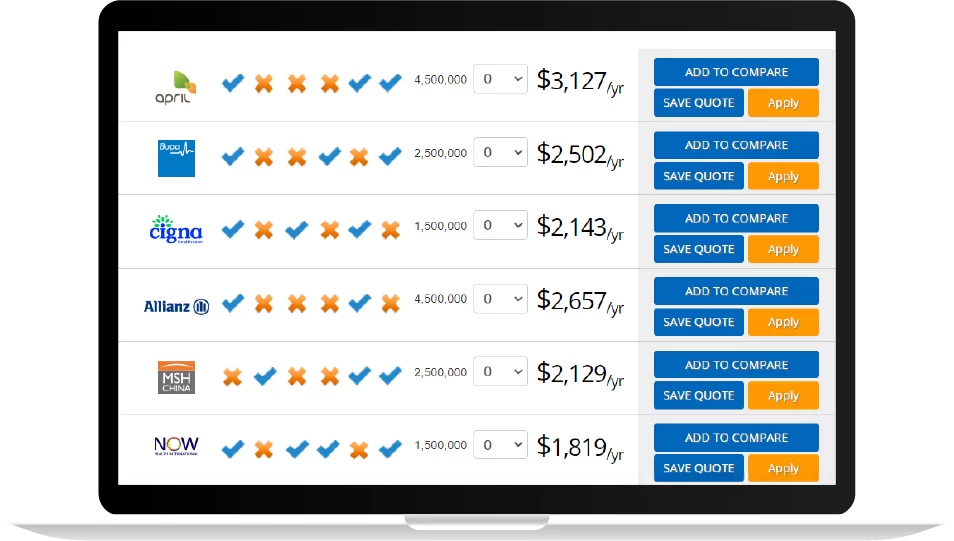
Use our free resources to compare insurance quotes online from the top international providers, and let us know what questions you have about your favorite plans!

Since joining Pacific Prime, Martin has become even more aware of the gap between the true value of insurance products and most people’s appreciation of it, and developed a passion for demystifying and simplifying matters, so that more people get the protection they need at a cost they can easily afford.
In his free time, Martin attends concerts of various genres, and plays the violin with piano accompaniment he pre-recorded himself or played live by his niece.
- The Cost of Living in Estonia - November 4, 2026
- Dental Insurance In Thailand For Expats: 2026 Guide - November 3, 2026
- 5 Things to Be Thankful for at Work - October 16, 2026
Comments
2 Comments
How can expats in Europe ensure they receive necessary vaccinations or preventive care services that might not be included in the local healthcare system? Are there private clinics or insurance options that specifically cater to these needs?
Expats in Europe can access necessary vaccinations and preventive care services through private clinics, many of which cater specifically to international residents with multilingual staff and customized care options. Private health insurance plans, such as those offered by Cigna, GeoBlue, or Bupa, can cover preventive care and vaccinations that might not be included in local healthcare systems. It’s important to review your insurance policy for specific benefits or exclusions and ensure it includes access to private healthcare providers.
For help in selecting a plan that meets your preventive care needs, contact us via the Pacific Prime contact page.
Leave a Comment