
Vietnam Visa & Health Insurance Requirements for Long-Stay Expats
Health insurance is not a requirement for most expat visas in Vietnam, including the 90-day E-Visa, the DN Visa, the TT Visa, or even the Temporary Residence Card (TRC). Expats who are employed in Vietnam, however, must have public health insurance provided by their employer.
Discover the world's top
health insurers.
Compare quotes with
a click of the button.
Are you trying to decide what health insurance you need for your move to Vietnam? Are you wondering if international health insurance is still worth it?
This article will cover health insurance requirements and suggestions by visa type, compare Vietnam’s public and local insurance offerings to international health insurance benefits, and more.
Types of Vietnam Visas for Expats
Some of the most common visa types for expats moving to Vietnam are the 90-Day E-Visa, the DN (business) Visa, and the TT (family) Visa. Getting a work permit and transitioning to a Temporary Residence Card (TRC) is also very common. None of these visas require purchasing health insurance yourself.
Common requirements for Vietnam visas include:
- A passport with at least six months of validity
- A digital passport-style photograph
- A sponsorship letter (for most visas except the E-visa)
At least three days before air arrival into Vietnam, all expats and travelers without Vietnam passports must also complete a pre-arrival declaration form.
The 90-Day E-Visa, or Tourist Visa, allows expats and travelers to stay in Vietnam for a maximum of 90 days, with single-trip and multiple-trip options. This visa costs USD $25 for single entries and USD $50 for multiple entries. Holders do not need to apply for or submit proof of health insurance.

2. DN Visa
The DN Visa is broken into two parts: the DN1 Visa, which is for foreigners who are working for a legally recognized Vietnamese business, and the DN2 Visa, which is for foreigners entering the country to provide services or fulfil international agreements.
The DN Visa is valid for 12 months and doesn’t require health insurance.
In addition to a valid passport and proof of Vietnamese sponsorship, DN Visa applicants also need documentation that proves the reason for their visit, such as an invitation letter.
3. TT Visa
A TT visa, sometimes called a Family Visa, allows spouses and children of qualified working foreigners to move to Vietnam long term. Parents, children, and spouses of Vietnamese citizens can also move to the country on a TT Visa. Validity is 12 months, and health insurance is optional.
4. Work Permit and Temporary Residence Card (TRC)
Expats who move to Vietnam on a work visa must get a pre-application health check done at an approved hospital or clinic in Vietnam or a recognized medical facility abroad. Employers in Vietnam are then required to cover their workers through the state health insurance.
Those who transition to a TRC from a work permit must and should continue receiving coverage through their employer.

Why Expats Should Still Purchase Health Insurance in Vietnam
Health insurance isn’t mandated for many expats moving to Vietnam, but it is highly recommended—even for those who receive coverage through the state system from their Vietnamese employer. Vietnam’s public healthcare is overrun and patchy, making private care preferable.
Public Health Insurance
Public health insurance (SHI) is overseen by Vietnam Social Security and is mandatory for all Vietnamese citizens and those working for Vietnamese employers. Employees pay 1.5% of their monthly salary for SHI coverage, while employers contribute 3.0% to the monthly salary.
Vietnam’s public insurance coverage is extensive but comes with exclusions and 5–20% copays. Some of the coverage under SHI includes:
- Regular doctor visits
- Diagnostic tests
- Hospital stays
- Surgeries
- Cancer care
- Maternity care
- Newborn care
Public healthcare is the workhorse of Vietnam’s healthcare system, with at least 93% of residents relying on public insurance and treatment.
Because of the intense pressure put on the public system, the standards often fall below expats’ expectations. While the country attempts to make care accessible, public facilities are extremely crowded, with extensive wait times and sometimes less-than-ideal treatment options.
Large urban areas and cities like Ho Chi Minh can provide the best public medical care, but even top-tier public institutions do not have English-speaking doctors or other expat-focused services.
The cost of healthcare in Vietnam may seem much more reasonable to expats who are used to steep prices, but even Vietnamese care adds up quickly without proper insurance.
Even with subsidies for those without private insurance, FV Hospital emergency room visits generally start around USD $500, and standard overnight stays can exceed USD $2,000 a night before treatments or medications.
Expats should also remember that if they lose their job with their Vietnamese employer, they will also lose their insurance coverage.

Local Private Health Insurance
Local private insurance, such as plans offered by Bao Viet Insurance, Liberty Insurance, and Pacific Cross Vietnam, can offer budget-friendly coverage for expats. These plans give expats access to the country’s private healthcare facilities, but they do not have all the perks of international plans.
International Health Insurance
International health insurance provides expats coverage at top facilities across Vietnam, ensures that they are covered regardless of visa changes or renewals, and provides expat-focused benefits, like English-speaking providers and medical evacuation, that public insurance cannot.
Medical evacuation is critical for expats in Vietnam. Medical care is low quality or unavailable in many of the country’s remote locations, and paying for transportation to adequate facilities is very costly. Medical evacuation is standard in many international insurance plans.
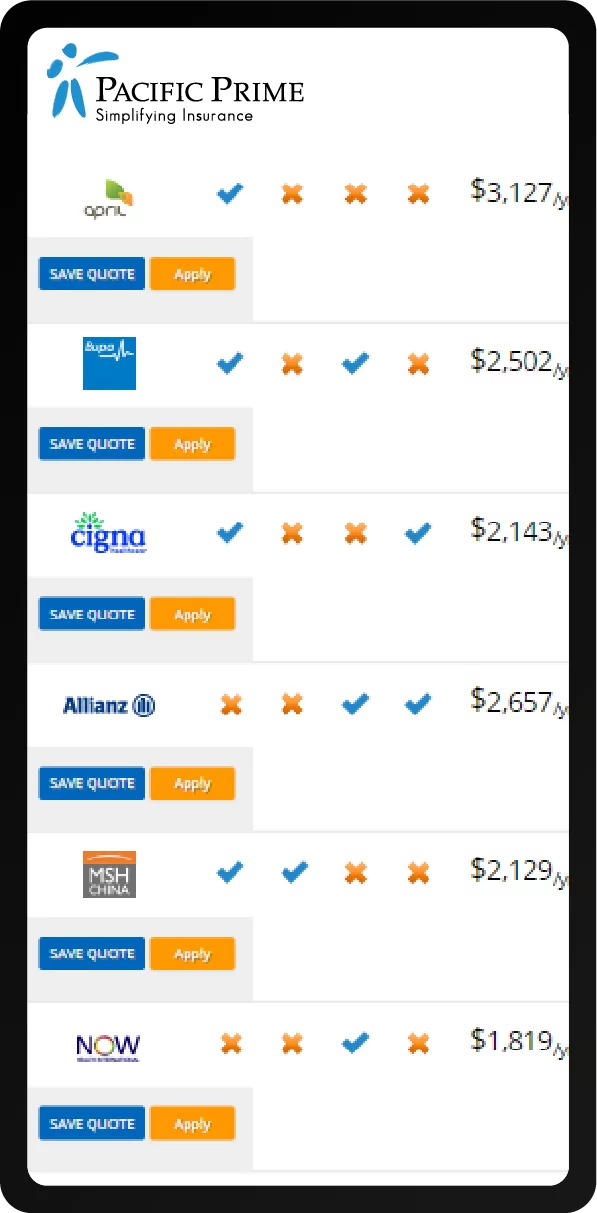
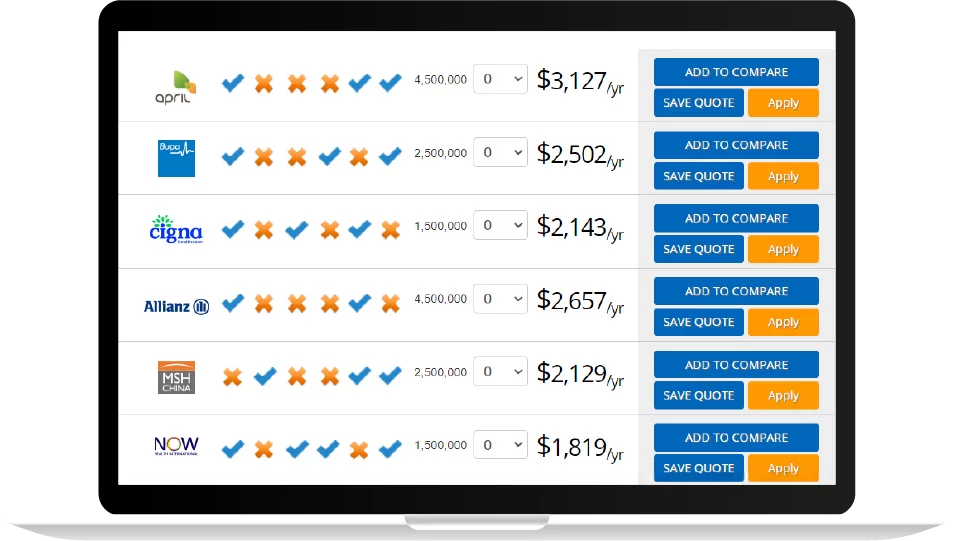
Providers like Cigna, NOW Health, Bupa, Allianz, and AXA offer the best plans for expats moving to Vietnam, with customizable options for all lifestyles and budgets.
One of the benefits of international plans is that you can get direct billing, and direct billing is available from international insurers at the best hospitals in Vietnam, including Vinmec International Hospital, FV Hospital HCMC, Family Medical Practice, and Hanoi French Hospital.

Frequently Asked Questions
What is the best health insurance for expats living abroad?
Cigna, NOW Health, Bupa, Allianz, and AXA offer some of the best international health insurance plans for expats living in Vietnam. International health insurance is preferable for expats, even though it is not mandatory. It offers the most reliable, comprehensive coverage.
Can foreigners get health insurance in Vietnam?
Expats can get international health insurance for Vietnam before ever entering the country. Expats who want to get public health insurance must first work in Vietnam to qualify.
How long does a Vietnam dependent TT Visa last?
A Vietnam TT Visa is valid for up to 12 months. Its length is also dependent on the sponsor, with the TT visa holder’s validity being at least 30 days less than the sponsor’s passport validity.
Conclusion
International health insurance offers expats the steady, comprehensive coverage that expats are looking for. Although most visa holders are not required to purchase private coverage, international coverage is preferable for most expats.
Are you ready to compare quotes? Use our free, no-obligation quote tool or talk to one of our professional brokers. They can help you get the best deal on a plan, compare top providers like NOW Health International and Bupa, and more.
Suggested Reading:
- Living in Vietnam 2026: Guide for American Expats
- Health Insurance for Seniors and Retirees in Vietnam
- Top 10 Insurance Companies in Vietnam for Expats (2026)
- Vietnam Health Insurance for Expats


Serena earned her Bachelor’s Degree in Psychology from the University of British Columbia, Canada. As such, she is an avid advocate of mental health and is fascinated by all things psychology (especially if it’s cognitive psychology!).
Her previous work experience includes teaching toddlers to read, writing for a travel/wellness online magazine, and then a business news blog. These combined experiences give her the skills and insights she needs to explain complex ideas in a succinct way. Being the daughter of an immigrant and a traveler herself, she is passionate about educating expats and digital nomads on travel and international health insurance.
- ISO Health Insurance for H-1B Visa Holders - September 21, 2026
- NICU Coverage for Expats: What Parents Should Know - September 21, 2026
- BCBS & GeoBlue in Indonesia: Coverage for American Expats (2026) - September 16, 2026

Comments
Comments are disabled for this post
We'll notify you
when our team replies!