
Public vs. Private Health Insurance in Japan for Foreigners: Which Should You Choose?
Foreigners in Japan with public health insurance can choose to purchase supplemental private health insurance to extend their coverage further. While enrolling in a public health insurance scheme is mandatory for foreigners staying over 90 days, private health insurance is optional.
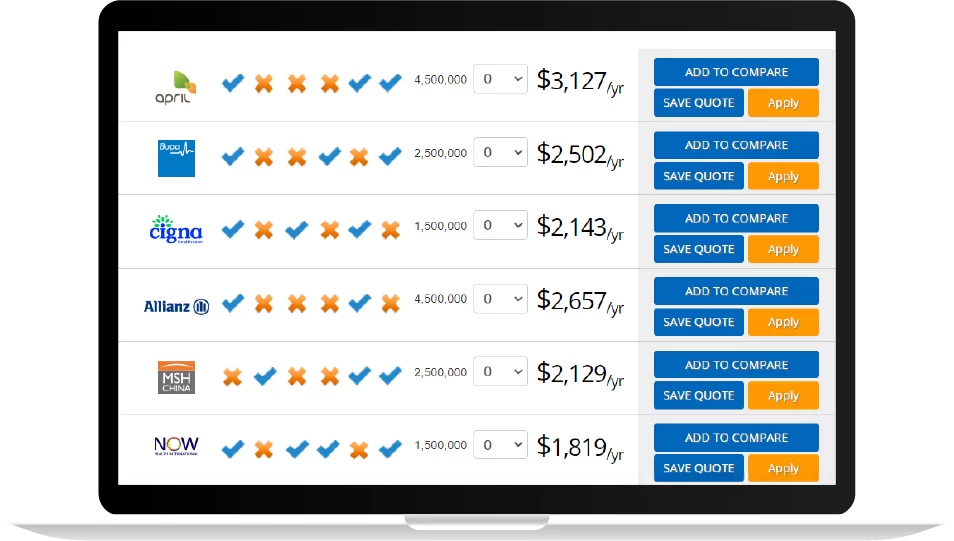
Discover the world's top
health insurers.
Compare quotes with
a click of the button.
Are you a foreigner living abroad in Japan? Your health insurance options will vary depending on the length of your stay. The insurance experts at Pacific Prime wrote this guide to help expats understand health insurance in Japan.
We will explain details about public health insurance and private health insurance in Japan, sharing the most recommended health insurance providers and more. We will then give tips on how to pick the best plan for yourself or your family in Japan. Keep reading to learn more!
Should Foreigners Choose Public or Private Health Insurance in Japan?
The choice between public and private health insurance will vary depending on several factors, such as the duration of your stay in Japan, your healthcare needs, and more. If you are staying in Japan for over 90 days, you won’t have the choice to opt out of public insurance.
Foreigners planning to stay in Japan for under 90 days are recommended to purchase travel medical insurance or a short-term health policy for their trip. Students on a strict budget staying in Japan for a year or more may want to rely only on their public health insurance coverage.
For foreigners to understand which choice is the right one for them, they will need to learn more about Japan’s public health insurance system and private health insurance options.
Public Health Insurance in Japan
Japan provides public health insurance to citizens and noncitizens through its universal health insurance system. This universal healthcare system is funded mostly through individual contributions and taxes. Japan has had universal healthcare coverage since 1961.
The universal health insurance system provides both citizens and foreigners with access to high-quality hospitals and clinics. Enrollment in the universal health insurance system is mandatory. The three health insurance schemes included in this system are:
- National Health Insurance (NHI): Provides coverage to the self-employed, the unemployed, those who work less than 30 hours a week, international students, and retired residents aged 75 or younger.
- Employment-based health insurance: Provides coverage for employees, where employers and employees share mandatory contributions.
- Health insurance for the advanced elderly: Provides coverage for individuals who are aged 75 and over.
Foreigners enrolled in one of these health insurance plans will pay a monthly premium and a copayment for whatever medical service they receive. The rate of health insurance premiums will vary between plans.
Copayments are the same across the different health insurance plans, with cost-sharing varying according to age. Young children and the elderly will pay less in copayments. There are also monthly maximum limits for out-of-pocket costs for insured members.
Once members have reached their monthly maximum limit for out-of-pocket costs, they will be reimbursed or not charged for further services for the remainder of the month. This maximum limit is calculated based on income.

National Health Insurance in Japan
The National Health Insurance scheme is available for expats who are living in Japan for longer than three months and fit one or more of the following criteria:
- Self-employed
- Unemployed
- Work less than 30 hours a week
- International students
- Retired and aged 75 or younger
The National Health Insurance covers a variety of medical expenses in Japan, including most inpatient services and dental care. They do not cover vaccines or immunizations. Refer to the table below for more information on what is and is not covered.
| National Health Insurance Coverage | |
| Medicines and medicinal supplies | Covered |
| Treatments, surgeries, and other procedures | Covered |
| Vaccines and immunizations | Not covered |
| Hospitalization | Covered |
| Cosmetic procedures and orthodontics | Not covered |
| Nursing care and in-home nursing care | Covered |
| Physicals and medical check-ups for members under 40 | Not covered |
NHI members aged 40 to 74 are eligible for NHI vouchers for medical check-ups to screen for diabetes, high blood pressure, and other illnesses. NHI members will also receive a lump-sum benefit of JPY 500,000 (around USD $3,246) for pregnancy and childbirth, as well as for stillbirth or miscarriage.
An additional benefit is a sum paid toward funeral expenses if an insured member dies. The sum paid per member is JPY 70,000 (around USD $454). This benefit will not be paid if the insured has another insurance policy that covers funeral expenses.
To enroll in the National Health Insurance, foreigners will need to visit their local city or ward office within 14 days of moving to their residence. Take all necessary documents with you, like your Residence Card, passport, proof of address, financial documents, and so on.
The exact documents you will need may vary depending on your situation and the municipality, so expats are recommended to inquire with the relevant service counter for details. You will also need to fill out an application at the service counter.
Employer-Based Health Insurance in Japan
Employer-based health insurance is provided for individuals employed by large- to small-sized companies. Foreigners with a valid work visa are eligible for this health insurance. Employers and employees share mandatory contributions for this insurance.
Government subsidies for employer-based health insurance depend on the size of the company. The employee contributions are taken from their monthly paychecks. Benefits may vary depending on your employer and company but generally include the following:
- Hospitalization coverage
- Outpatient coverage
- Mental health coverage
- Home nursing coverage
- Dental coverage
Foreigners working in Japan will be automatically enrolled in the employer-based health insurance scheme through their employer.
Health Insurance for the Advanced Elderly
Health insurance for the advanced elderly requires all individuals aged 75 and over to enroll. This includes individuals who are employed and dependents. The health insurance for the elderly scheme is overseen at the prefectural and municipal levels.
Individuals with this health insurance plan pay a premium deducted from their pensions and will pay a 10% copayment for their medical services. The health insurance for the elderly scheme is supported by government subsidies. Individuals are automatically enrolled in this scheme when they turn 75.
Benefits included in this scheme are the same as the others, providing benefits like:
- Hospitalization coverage
- Outpatient coverage
- Mental health coverage
- Home nursing coverage
- Dental coverage
While this insurance scheme is primarily made for those aged 75 and older, individuals with certain disabilities can enroll between the ages of 65 and 74 years.

Private Health Insurance in Japan
Foreigners visiting Japan for under 90 days can purchase private health insurance coverage for their trip to offer medical protection. Foreigners staying in Japan for over 90 days can purchase private health insurance to supplement their public health insurance.
This supplemental private health insurance can provide expats with access to private hospital rooms, their choice of providers, and assistance with out-of-pocket costs not covered by their NHI plans.
Private health insurance can be purchased from local or international health insurance providers. International health insurance plans provide the added benefit of being globally portable, allowing expats to take these plans with them as they travel.
Private health insurance is not mandatory in Japan, unlike public health insurance. Still, it can be an invaluable resource for expats seeking more comprehensive coverage and peace of mind.
Travel Medical Insurance and Short-Term Health Insurance for Japan
Travel medical insurance and short-term health insurance are additional options for private health care coverage in Japan. Travel insurance is best suited for tourists in Japan, while short-term insurance is available for those staying longer than a month but under a year.
Travel medical insurance provides health insurance coverage in addition to coverage for travel-related risks. Travel insurance is popular with tourists due to its customizable length of coverage, covering anywhere from two weeks to several months.
Short-term health insurance plans typically offer coverage for one to 12 months, making them an excellent choice for short-term visitors in Japan. Individuals on temporary assignments, digital nomads, and other global working professionals benefit most from this short-term medical insurance.
Short-term health insurance typically provides more comprehensive medical care coverage than travel medical insurance. To compare different travel and short-term insurance options, use Pacific Prime’s free quote tool to compare insurance quotes.
You can also check out the article below to learn more about travel insurance in Japan:

Recommended Private Health Insurance Providers in Japan
Some of the top recommended international health insurance providers for Japan are Cigna Global, Allianz Care, Bupa, and NOW Health International. These international providers offer comprehensive plans with global portability for their members.
Cigna Global Plans for Japan
Cigna Global is a leading international health insurance provider worldwide and in Japan that offers coverage for individuals and families. Cigna is one of the largest international health insurance providers, with a broad global network of 1.65 million hospitals, doctors, and clinics.
Expats can choose between Cigna Global’s four core insurance plans: Silver, Gold, Platinum, and Close Care. These plans vary in annual maximum limits and benefit limits, but some standard benefits shared between plans include:
- Inpatient coverage
- Mental health care coverage
- Global Health Assistance
- Different deductible options
- Cancer treatment coverage
- Private hospital room coverage
- Visitor accommodation costs
- Worldwide coverage (including or excluding the US)
Allianz Care Plans for Japan
Allianz Care is an international health insurance company that provides its services in 75 countries and over 58 languages. They offer international health insurance to expat individuals and families in Japan through their plans Allianz Care Base, Allianz Care Enhanced, and Allianz Care Signature.
Key features across these separate plans are:
- Flexible deductible options
- Medical repatriation coverage
- Private hospital room coverage
- Inpatient coverage
- Cancer treatment coverage
- Expat Assistance Program (EAP)
- Olive Health & Wellness Support Program

Bupa Global Plans for Japan
Bupa Global is an international health insurance provider that offers insurance for individuals and families in Japan and worldwide. Bupa Global provides four core plans: Major Medical, Select, Premier, and Elite, with Elite being the most comprehensive plan of the four.
Plan benefits vary between the four core plans. Some of the shared benefits across all four plans include:
- Private hospital room coverage
- Medical evacuation coverage
- 24-hour medical help through Global Virtual Care
- Second medical opinions
- Direct access to specialists without referral
NOW Health International Plans for Japan
NOW Health is an international health insurance provider that offers expats in Japan comprehensive coverage through their SimpleCare and WorldCare plans. SimpleCare and WorldCare come with different coverage tiers, providing expats with greater flexibility in their choices.
Annual maximum limits and covered benefits vary across NOW Health’s plans. Some of the shared benefits included across all plans are:
- Inpatient and day-patient coverage
- Medical evacuation and repatriation coverage
- Cancer treatment coverage
- Day-patient or outpatient surgery
- Organ transplant coverage
Cost Comparisons: Public vs. Private Health Insurance in Japan

Public health insurance in Japan is generally more affordable than private health insurance plans due to government subsidies. Private health insurance coverage can still save members in the long run due to savings in out-of-pocket costs.
The average annual international health insurance premium for an individual policy is USD $5,228 (around JPY 816,640). The average yearly cost for a family policy is USD $14,670 (around JPY2,291,52). The monthly premium costs of public health insurance will depend on your income.
Deciding if private health insurance is worth the cost is a personal decision for foreigners, dependent on many factors. If you value high coverage and customizable benefits, you will value a private health insurance policy.
To learn more about the factors that affect the cost of health insurance, download our guide below:
Tips to Choose the Right Health Insurance Plan for You
Foreigners can choose the right health insurance policy by comparing policies, considering their necessary coverage, reading reviews and ratings, using an insurance broker, and taking into account their budget.
- Consider Necessary Coverage: Before shopping for private health insurance plans, consider what coverage you will need. Do you have a medical condition that may require medical support? Consider purchasing a plan with medical emergency coverage.
- Consider Your Budget: One of the determining factors of which policy you choose will be what you can afford, but don’t choose the cheapest plan simply to save money. You will want to ensure that you are adequately protected at a price that works for you.
- Read Reviews and Ratings: When researching the best private health insurance providers, take your time to read reviews and ratings on the company. This will give you a good idea of how they treat their customers.
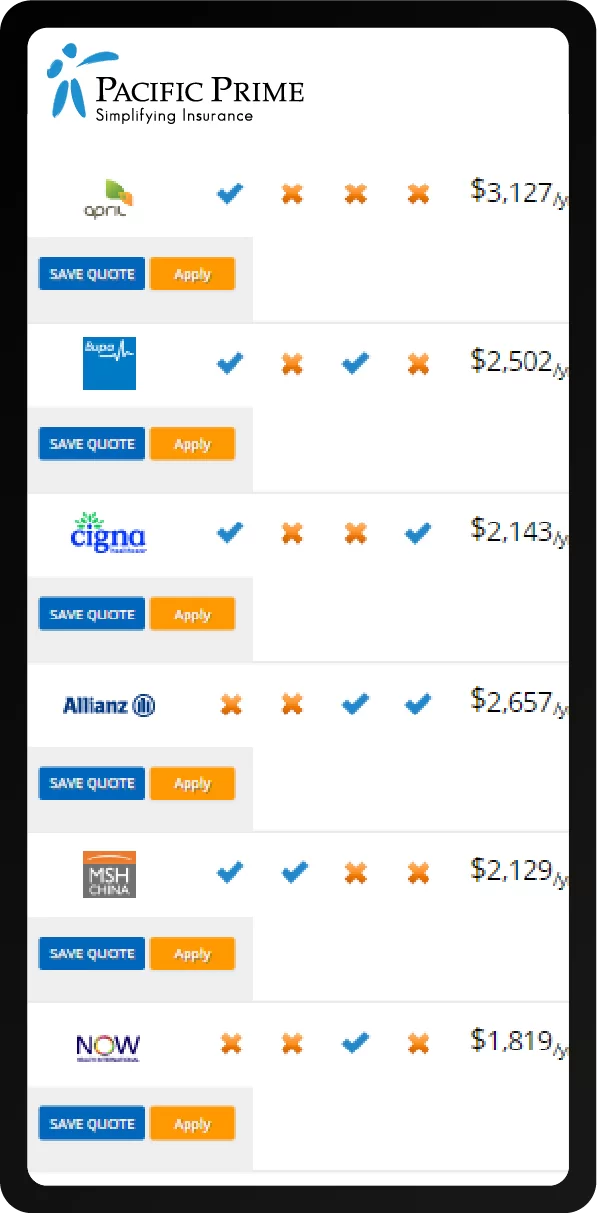
- Compare Policies: You should compare health insurance policies across a variety of insurance providers so you can ensure you are getting the best deal for your money. Comparing plans can be done independently using our free quote tool.
- Use an Insurance Broker: One of the easiest ways to simplify the process of choosing a private health insurance plan is to use a reputable insurance broker like Pacific Prime. We can help you compare plans and understand complicated insurance jargon, all for free.

Frequently Asked Questions:
Can foreigners have both public and private health insurance in Japan?
Foreigners can have both public and private health insurance in Japan. Many expats choose to purchase supplemental private health insurance to help pay for out-of-pocket costs left over by their public health insurance coverage.
Do I have to enroll in the NHI if I stay longer than 90 days in Japan?
Expats are required to enroll in the NHI or another applicable public insurance scheme if they stay in Japan longer than 90 days. Expats who are self-employed, unemployed, work less than 30 hours a week, international students, or retired and under 75 are eligible for the NHI.
Can travel insurance offer me medical protection in Japan?
Travel insurance can offer medical protection in Japan if you choose a plan that specifically states it provides medical coverage in addition to the standard travel benefits. Travel medical insurance is available through international providers like Allianz, AXA, and IMG Global.
Does Japan have a high-quality healthcare system?
Japan has a high-quality healthcare system with modern and updated technology and interiors, high standards of care, and easy access to specialists. Expats seeking medical care can rest assured that they will receive quality care while in Japan.
Conclusion:
Foreigners choosing between public and private health insurance in Japan should consider how long they are staying in Japan, their healthcare needs, and the level of protection they would like. Public health insurance is mandatory for foreigners staying long-term in Japan.
Are you ready to begin shopping for private health insurance coverage for Japan? Contact the insurance experts at Pacific Prime. We partner with a diverse range of top international health insurance providers in Japan and across the globe.
We are brokers with over 20 years of experience in providing insurance solutions to expats and digital nomads worldwide. We can help you understand insurance quotes and plans and offer our unbiased advice. If you’d like to compare plans on your own, feel free to use our free quote generator.
If you’d like to read more helpful guides for expats in Japan, check out our articles below:
- How to Enroll, Pay & Manage Health Insurance in Japan as a Foreigner
- Japan Health Insurance for Digital Nomads & Remote Workers
- Cost of Living in Japan: Essential Guide for Expats
- 12 Best Places To Live In Japan For Expats
- Japanese Encephalitis: Travel Advice

Serena earned her Bachelor’s Degree in Psychology from the University of British Columbia, Canada. As such, she is an avid advocate of mental health and is fascinated by all things psychology (especially if it’s cognitive psychology!).
Her previous work experience includes teaching toddlers to read, writing for a travel/wellness online magazine, and then a business news blog. These combined experiences give her the skills and insights she needs to explain complex ideas in a succinct way. Being the daughter of an immigrant and a traveler herself, she is passionate about educating expats and digital nomads on travel and international health insurance.
- An Expat’s Guide To East Coast Singapore - November 3, 2026
- Hospitals in New Zealand for Expats & Visitors (2026 Guide) - October 16, 2026
- Top 9 Health Insurance Companies for Expats in Malta - October 7, 2026

Comments
Comments are disabled for this post
We'll notify you
when our team replies!