

Pre-Existing Conditions and Health Insurance in Brazil
Foreigners residing in Brazil who have pre-existing health conditions can get medical coverage through flexible health insurance providers. To get the right coverage, it is crucial that applicants honestly divulge any and all health conditions they may have.
Discover the world's top
health insurers.
Compare quotes with
a click of the button.
Are you an expat in Brazil who has a pre-existing health condition? Do you still need to find health insurance to cover your bills?
This article will explain what a pre-existing condition is, what each kind of condition typically receives coverage for, which international expat providers are flexible with pre-existing conditions, and much more.
Next, you’ll want to learn about your health insurance options in Brazil as an expat and who the top 10 health insurance companies in Brazil are for expats.
Read our ultimate guide on SUS, private, and international health insurance options for expats in Brazil as you seek coverage.
What Counts as a Pre-Existing Condition in Brazil?
In Brazil, a pre-existing condition refers to any illness, injury, or health condition diagnosed or treated before enrolling in a health insurance plan. Insurers evaluate medical history carefully because these conditions may trigger waiting periods or underwriting restrictions.
Brazilian insurers typically classify pre-existing conditions using medical records, prescription histories, or previous diagnoses. Even conditions managed successfully for years can still qualify as pre-existing when applying for new coverage.
Common conditions considered pre-existing include chronic diseases, previous surgeries, ongoing treatments, and mental health disorders. Some insurers also review symptoms that appeared before enrollment, even if the official diagnosis came later.
Here are some examples of what may count as a “pre-existing condition”:
- Chronic Illnesses: Long-term medical conditions such as diabetes, asthma, hypertension, or autoimmune diseases typically qualify as pre-existing conditions because they require continuous monitoring or medication.
- Previous Surgeries: Medical procedures completed before enrollment may count as pre-existing factors, especially if complications or follow-up treatments are likely.
- Mental Health Disorders: Diagnosed depression, anxiety disorders, bipolar disorder, and similar conditions are frequently classified as pre-existing when applying for private coverage.
- Pregnancy History: Prior pregnancy complications, fertility treatments, or related medical conditions can also affect underwriting decisions with Brazilian insurers.
- Ongoing Medication Use: Prescriptions taken regularly for chronic conditions may signal a pre-existing medical issue during underwriting review.
Brazilian Law: ANS Regulations
Brazilian law regulates pre-existing conditions through the National Supplementary Health Agency (ANS), which allows insurers to impose a temporary 24-month restriction known as Partial Temporary Coverage (CPT) rather than fully denying coverage.
This regulation applies to Brazilian private health insurance plans and ensures patients can still enroll even with serious medical conditions. However, coverage for certain treatments may be restricted during the waiting period.
Typical waiting periods regulated by ANS include:
- 24 Hours For Emergencies: Emergency and urgent care becomes available one day after the policy begins.
- 180 Days For General Care: Consultations, exams, and routine treatments usually require a six-month waiting period.
- 300 Days for Childbirth: Pregnancy and delivery coverage normally begin after approximately ten months.
- 24 Months for Pre-Existing Conditions: Complex procedures related to declared conditions may be delayed during CPT.
Health Insurance Coverage: By Pre-Existing Condition Type
Expats in Brazil with pre-existing conditions can still find health insurance, but eligibility and coverage terms vary widely depending on the specific medical condition, severity, and insurer underwriting policies.
Many international and local insurers accept controlled or stable conditions while applying waiting periods or exclusions for higher-risk illnesses. Understanding how insurers assess different conditions helps expats choose plans with the highest approval chances.
Below are common conditions expats frequently disclose during international health insurance applications.
- Diabetes: Many international insurers accept well-managed Type 2 diabetes with stable blood sugar levels. Coverage often includes consultations, medication, and monitoring, though premiums may increase depending on complication risk.
- Hypertension: Controlled high blood pressure is commonly approved with minimal restrictions when applicants demonstrate consistent treatment and no major cardiovascular complications.
- Asthma: Mild or moderate asthma typically receives coverage if symptoms are stable and hospitalizations are rare.
- High Cholesterol: Elevated cholesterol levels are usually accepted by insurers when managed with medication and lifestyle adjustments.
- Thyroid Disorders: Hypothyroidism and hyperthyroidism are often covered when stabilized through medication and regular monitoring.
- Depression and Anxiety: Many international insurers provide mental health coverage if the condition is stable and does not require recent hospitalization.
- Arthritis: Osteoarthritis and similar joint conditions may be accepted with exclusions on joint replacement surgeries during early coverage periods.
- Allergies: Chronic allergy conditions usually qualify for coverage unless they involve severe immune disorders.
- Sleep Apnea: Mild sleep apnea managed with a CPAP machine may be accepted by insurers after medical review.
- Heart Disease: Coverage for heart conditions depends heavily on medical history, treatment status, and time since the last cardiac event.


Flexible Insurers Who Cover Pre-Existing Conditions
Several international insurers that partner with Pacific Prime offer flexible underwriting policies that may cover stable pre-existing conditions for expatriates living in Brazil. These include Cigna Global, AXA Global, Bupa, Allianz Care, BlueCross and BlueShield, and William Russell.
These insurers often specialize in expatriate healthcare coverage and evaluate each applicant individually rather than automatically rejecting applicants with medical histories.
Examples of international insurers known for flexible underwriting include:
- Cigna Global: Offers customizable international health plans and may cover stable conditions after medical underwriting review.
- AXA Global Healthcare: Provides expatriate health insurance with options for covering controlled chronic conditions.
- Bupa Global: One of the largest international insurers, often covering long-term managed conditions through tailored underwriting decisions.
- Allianz Care: Provides global medical plans with strong chronic condition management programs.
- BlueCross BlueShield: Offers international health insurance options designed specifically for expatriates and global professionals.
- William Russell: Known for flexible underwriting and coverage options for individuals with mild or controlled conditions.
Working with an international broker such as Pacific Prime can improve approval chances because brokers compare insurers and match applicants with providers more likely to accept their medical history.
International Health Insurance Disclosures: Explained
International health insurers require applicants to disclose all known medical conditions during the underwriting process. This disclosure allows insurers to determine eligibility, waiting periods, premiums, or possible coverage exclusions.
Accurate disclosure protects policyholders because undisclosed conditions may invalidate claims later. Insurers typically verify information using medical questionnaires, physician reports, or prescription history checks.
Key disclosure components often include:
- Detailed Medical Questionnaires: Applications typically ask about diagnoses, symptoms, medications, surgeries, and hospitalizations within the past five to ten years.
- Doctor Reports: Insurers sometimes request medical records or physician statements to confirm the stability and management of a disclosed condition.
- Medication History: Current prescriptions help insurers understand treatment frequency and condition severity.
- Follow-Up Monitoring: Some insurers may request periodic updates on chronic conditions during the policy’s early years.
Moratorium vs Full Underwriting
International insurers generally use two underwriting methods for pre-existing conditions: moratorium underwriting or full medical underwriting, each affecting how and when conditions may be covered.
Understanding these underwriting approaches helps expats select policies that align with their medical history and expected healthcare needs in Brazil.
- Moratorium Underwriting: This method temporarily excludes treatment for conditions that existed before the policy began. If the condition remains symptom-free for a set period, coverage may later be restored.
- Full Medical Underwriting: The insurer reviews the applicant’s complete medical history before issuing the policy and decides whether to cover, exclude, or apply premium adjustments.
Non-Disclosure Consequences: What Happens if You Lie
Failing to disclose a pre-existing condition when applying for health insurance can result in claim denial, policy cancellation, or loss of coverage entirely.
Insurers take non-disclosure seriously because underwriting decisions rely on accurate medical information. When undisclosed conditions are discovered during claims processing, insurers may retroactively cancel coverage.
Common consequences include:
- Claim Rejection: The insurer may refuse to pay medical expenses related to the undisclosed condition.
- Policy Cancellation: Insurers may terminate coverage after identifying false or incomplete medical information.
- Retroactive Void Policies: Some policies may be voided from the start date, meaning all claims become the policyholder’s responsibility.
- Difficulty Getting Future Coverage: A history of non-disclosure can complicate applications with other insurers later.
SUS for Pre-Existing Conditions in Brazil: Last Resort
Brazil’s public healthcare system, Sistema Único de Saúde (SUS), provides treatment for pre-existing conditions regardless of medical history, insurance status, or income.
While SUS guarantees universal healthcare access, many expats treat it as a backup option due to long wait times, limited specialist availability, and overcrowded public hospitals in major cities.
Key aspects of SUS include:
- Universal Coverage: All residents in Brazil can access public healthcare services, including treatment for chronic or pre-existing conditions.
- No Medical Underwriting: SUS does not evaluate health history or deny treatment based on existing conditions.
- Long Wait Times: Non-urgent procedures and specialist appointments often involve waiting periods that can exceed several months.
- Regional Quality Differences: Healthcare quality varies significantly depending on city infrastructure and hospital funding levels.
Because of these limitations, many expats still seek private or international insurance coverage to ensure faster access to specialists, advanced diagnostics, and private hospital networks.
Conclusion: Get Honest Coverage Advice
Securing health insurance in Brazil with a pre-existing condition often depends on finding the insurer whose underwriting guidelines best match your medical history. Comparing quotes from multiple insurers helps expats identify plans that offer the most flexible coverage terms and reasonable costs.
Luckily, Pacific Prime can make that step easier. We are an international health insurance brokerage with over 20 years of experience helping over a million and a half expatriates just like you secure healthcare coverage globally.
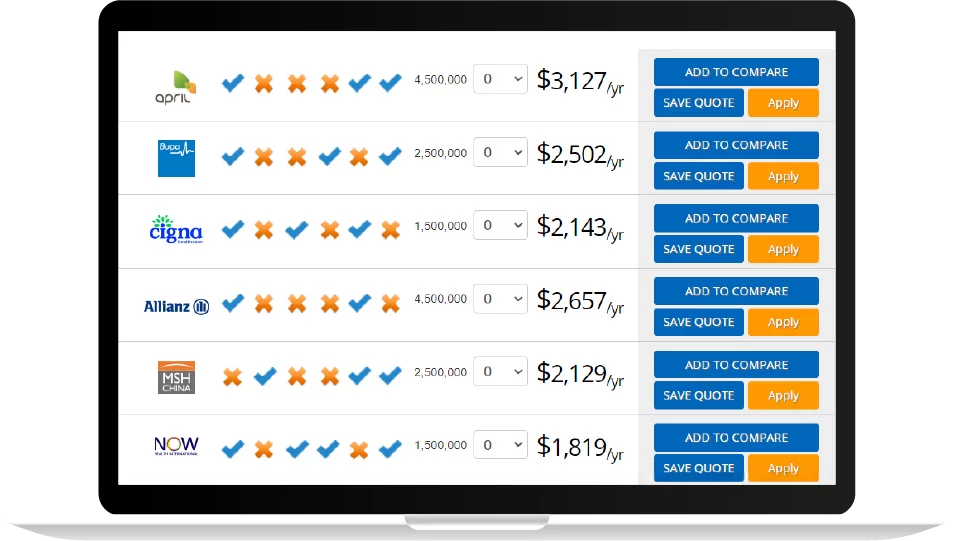
Utilize our exceptional online database that features over 50,000 expat-focused health insurance plans to begin comparing benefits, plans, quotes, and more! It’s a free resource anyone can use, and you won’t want to miss!
When you’re ready to speak to an international insurance expert and find the plan that’s best for you, contact our team online or call +852-3113-1331.
We recommend expats and foreign citizens living in Brazil reference the following links:
- Family Health Insurance in Brazil: Coverage for Expat Families
- SUS Healthcare in Brazil: Free Public Healthcare for Expats
- The Cost of Living in Brazil

Serena earned her Bachelor’s Degree in Psychology from the University of British Columbia, Canada. As such, she is an avid advocate of mental health and is fascinated by all things psychology (especially if it’s cognitive psychology!).
Her previous work experience includes teaching toddlers to read, writing for a travel/wellness online magazine, and then a business news blog. These combined experiences give her the skills and insights she needs to explain complex ideas in a succinct way. Being the daughter of an immigrant and a traveler herself, she is passionate about educating expats and digital nomads on travel and international health insurance.
- AXA Health Insurance in Vietnam: Expat Plans & Options - July 23, 2026
- Understanding Health Insurance in South America in 2026 - July 22, 2026
- Allianz Health Insurance in Vietnam for Expats - July 20, 2026

Comments
Comments are disabled for this post
We'll notify you
when our team replies!