
Family Health Insurance in Brazil: Coverage for Expats
Foreign expat families in Brazil can get health coverage through the SUS system, local Brazilian insurers, or international health providers. Securing a family plan can significantly reduce premiums, rather than getting individual plans for each dependent.
Discover the world's top
health insurers.
Compare quotes with
a click of the button.
Is your family moving to Brazil soon? Do you already live there? Are you trying to find the right family health insurance plan for your needs?
This Pacific Prime article will teach you your insurance options, how to add dependents, what pediatric care and vaccinations are often covered, and more.
Next, you’ll want to learn about your health insurance options in Brazil as an expat and who the top 10 health insurance companies in Brazil are for expats.
Read our ultimate guide on SUS, private, and international health insurance options for expats in Brazil as you seek coverage.
Healthcare Options for Expat Families in Brazil
Expat families in Brazil can access healthcare through the public system, local private insurance plans, or international health insurance policies designed for global mobility. Each option offers different levels of access, flexibility, and coverage for dependents.
Brazil’s Public Healthcare System (SUS)
Expat families living legally in Brazil can access healthcare through the public system known as Sistema Único de Saúde (SUS). This government-funded network provides free medical services, including pediatric care, vaccinations, and hospital treatment.
Public healthcare can support families who need basic medical services, but waiting times and limited English-speaking staff often encourage expats to supplement coverage with private or international insurance.
Some features of SUS include:
- Free Access For Residents: Legal residents, including many expats with residency permits, can receive treatment through SUS without paying premiums.
- Wide National Network: The system operates more than 6,500 hospitals and thousands of clinics throughout Brazil, providing extensive geographic coverage.
- Long Wait Times: Public hospitals may experience delays for specialist appointments and non-urgent procedures, especially in large urban areas.
Local Private Health Insurance Plans
Local Brazilian health insurance plans provide faster access to doctors, private hospitals, and pediatric specialists compared with the public system. These plans are commonly used by middle-income families and expats planning to remain in Brazil long term.
Private insurance plans typically operate within regional hospital networks and may require Portuguese communication for customer service or claims processes.
Some features of local private plans include:
- Lower Monthly Premiums: Local plans can start around USD $120 (BRL 600) per month for an adult, depending on age and region.
- Network-Based Coverage: Most plans restrict treatment to contracted hospitals and clinics within a specific state or region.
- Family Discounts: Many insurers offer reduced per-person premiums when multiple family members join a single plan.
International Health Insurance for Expat Families
International health insurance provides globally portable coverage, making it the most flexible option for expat families who travel frequently or may relocate. These plans also offer English-language support and access to private hospitals.
International policies typically include inpatient care, outpatient treatment, maternity services, pediatric coverage, and optional dental or vision benefits.
Some features of international health insurance include:
- Worldwide Coverage: Families can receive treatment in Brazil or abroad, depending on the policy’s geographic coverage zone.
- Direct Billing Hospitals: Many international insurers maintain agreements with top private hospitals in cities like São Paulo and Rio de Janeiro.
- Comprehensive Benefits: Coverage often includes emergency evacuation, specialist care, mental health services, and chronic disease management.
Adding Dependents for Brazil Health Insurance
Adding dependents to a health insurance plan in Brazil allows expat families to insure spouses and children under one policy, often reducing administrative complexity and overall premiums compared with purchasing separate individual plans.
Dependents usually include spouses, registered partners, and biological or adopted children under a specific age limit defined by the insurer.
You can add dependents if you:
- Submit Family Documentation: Insurers typically require birth certificates, marriage certificates, or legal guardianship documents to verify dependent relationships.
- Complete Medical Questionnaires: Some insurers ask health history questions for each dependent to assess risk and determine underwriting terms.
- Follow Age Eligibility Rules: Many plans allow children to remain dependents until age 18, or up to age 25 if they are enrolled in university.
- Select Policy Upgrade Options: Families may add maternity coverage, dental benefits, or international evacuation coverage when enrolling dependents.
Medical Coverage for Pediatric Care in Brazil
Family health insurance plans in Brazil typically include pediatric care services such as routine checkups, specialist consultations, and hospitalization for children. Access to pediatricians is widely available in private clinics and hospitals across major cities.
Private pediatric care is particularly valued among expat families because it provides faster appointment availability and English-speaking physicians in many international clinics.
Most plans that include pediatric coverage offer these benefits:
- Routine Pediatric Checkups: Regular visits monitor growth, development milestones, and nutrition for infants and children.
- Specialist Pediatric Services: Coverage often includes pediatric cardiology, dermatology, orthopedics, and developmental medicine.
- Hospital Care For Children: Pediatric inpatient treatment is usually covered when a doctor determines hospitalization is medically necessary.
- Telemedicine Access: Many insurers offer virtual pediatric consultations for non-urgent illnesses or follow-up care.


Vaccination Coverage in Brazil for Families
Vaccinations for children in Brazil are widely available through public clinics and private hospitals, and most family health insurance plans cover recommended immunizations or reimburse costs when administered in private facilities.
Brazil maintains one of the largest national immunization programs in the world, protecting children against numerous infectious diseases.
Here are some of the common vaccinations children can receive with coverage:
- Routine Childhood Vaccines: Common immunizations include measles, mumps, rubella, polio, hepatitis B, tuberculosis, and rotavirus vaccines.
- School-Required Vaccines: Many schools require proof of immunization records for enrollment to prevent outbreaks among students.
- Private Clinic Vaccinations: Families who prefer shorter wait times can receive vaccinations in private hospitals and pediatric clinics.
- Travel Vaccinations: Expats living in Brazil may also receive vaccines for yellow fever or meningococcal disease when traveling within South America.
Best Family Health Insurance Plans for Expats in Brazil
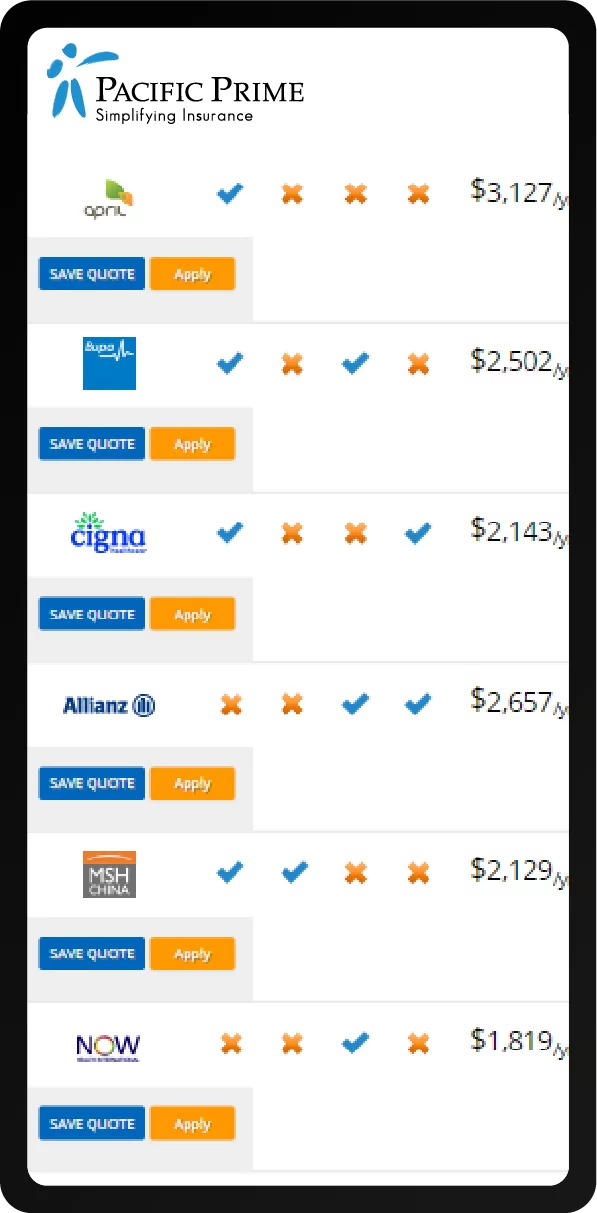
Allianz Care, Cigna Global, AXA Global, Bupa Global, and BlueCross BlueShield are the best family health insurance providers for expat families in Brazil. International health insurers offer comprehensive family policies designed for expatriates.
They combine global coverage with access to local private hospitals and pediatric specialists. Pacific Prime partners with several well-known international insurers that provide family-friendly coverage options, flexible benefit structures, and multilingual support services.
Here is a list of some of our top partners:
- Allianz Care: Offers global coverage with pediatric care, maternity benefits, and emergency evacuation. Family policies often include wellness services and international hospital networks.
- Cigna Global: Provides customizable international plans with optional dental, vision, and mental health coverage suitable for families relocating abroad.
- AXA Global Healthcare: Known for flexible international coverage tiers, including inpatient-only plans or comprehensive family packages with global portability.
- Bupa Global: Offers premium international coverage with strong hospital networks and pediatric care benefits, particularly in major Brazilian cities.
- BlueCross BlueShield: Popular among American expatriates, offering international coverage paired with access to U.S.-trained physicians abroad.
Cost Comparison: Individual vs Family Medical Coverage
A family international health insurance plan in Brazil costs about USD $900 a month, while an individual international health insurance plan is about USD $350 a month. Getting one family plan for four people is cheaper overall than purchasing four individual plans at $1,400 a month.
Health insurance premiums in Brazil vary depending on the insurer, coverage level, and ages of insured family members. Family plans typically reduce the average cost per person compared with purchasing multiple individual policies.
The following chart breaks down some typical premium costs for individuals and families.
| Coverage Type | Typical Monthly Premium (Per Adult) | Total Monthly Cost Example | Key Features |
| Individual Local Plan | USD $120 | USD $240 for two adults | Regional hospital networks |
| Individual International Plan | USD $350 | USD $700 for two adults | Global coverage |
| Family Local Plan | USD $300 total | USD $300–$500 | Family discounts |
| Family International Plan | USD $900 | USD $900–$1,400 | Worldwide care and evacuation |
School Insurance Requirements for Brazil
Many private and international schools in Brazil request proof of health insurance coverage for enrolled students to ensure access to medical care during school activities or emergencies.
Although national law does not mandate insurance for school enrollment, educational institutions often establish their own health coverage policies for safety reasons.
Here are some things to remember when enrolling students in school:
- Proof of Health Coverage: Schools may request documentation confirming that a child has valid health insurance before finalizing enrollment.
- Accident Insurance Policies: Some schools provide low-cost accident insurance covering injuries occurring on campus or during school events.
- Emergency Medical Authorization: Parents typically sign consent forms allowing schools to seek emergency treatment if a child becomes ill or injured.
- International School Standards: Many international schools align with global safety practices requiring medical coverage for students.
Conclusion: Compare Family Plan Quotes Online
Choosing the right family health insurance plan in Brazil helps expat parents ensure their children have reliable access to pediatric care, vaccinations, and emergency treatment when needed.
Because coverage levels, hospital networks, and premiums can vary widely between insurers, comparing multiple plans is the best way to find the right balance of benefits and cost.
Luckily, Pacific Prime can make that step easier. We are an international health insurance brokerage with over 20 years of experience helping over a million and a half expatriates just like you secure healthcare coverage globally.
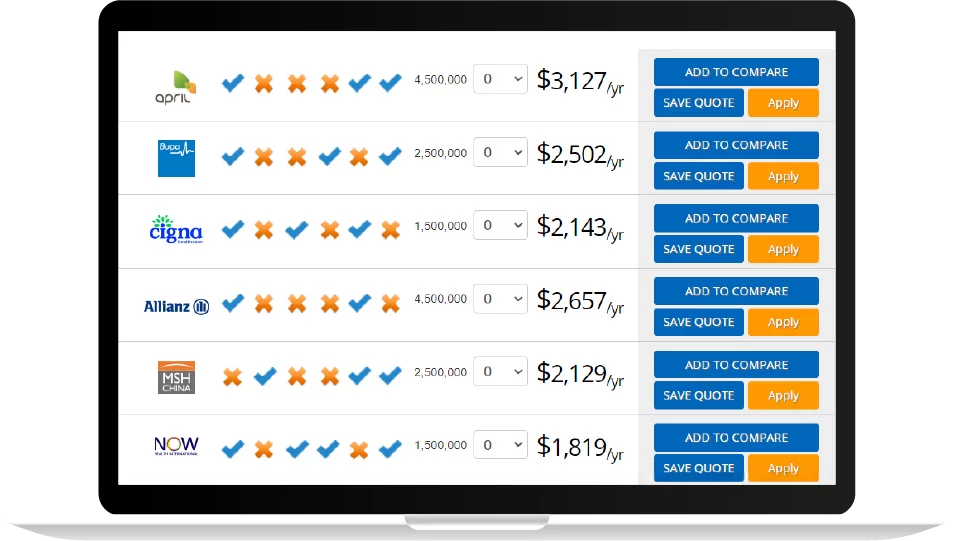
Utilize our exceptional online database that features over 50,000 expat-focused health insurance plans to begin comparing benefits, plans, quotes, and more! It’s a free resource anyone can use, and you won’t want to miss it!
When you’re ready to speak to an international insurance expert and find the plan that’s best for you, contact our team online or call +852-3113-1331.
We recommend expats and foreign citizens living in Brazil reference the following links:
- A Guide to Maternity Insurance in Brazil for Expats
- Pre-Existing Conditions and Health Insurance in Brazil
- The Cost of Living in Brazil For a Family of Four

Serena earned her Bachelor’s Degree in Psychology from the University of British Columbia, Canada. As such, she is an avid advocate of mental health and is fascinated by all things psychology (especially if it’s cognitive psychology!).
Her previous work experience includes teaching toddlers to read, writing for a travel/wellness online magazine, and then a business news blog. These combined experiences give her the skills and insights she needs to explain complex ideas in a succinct way. Being the daughter of an immigrant and a traveler herself, she is passionate about educating expats and digital nomads on travel and international health insurance.
- ISO Health Insurance for H-1B Visa Holders - September 21, 2026
- NICU Coverage for Expats: What Parents Should Know - September 21, 2026
- BCBS & GeoBlue in Indonesia: Coverage for American Expats (2026) - September 16, 2026

Comments
Comments are disabled for this post
We'll notify you
when our team replies!