
Top Non-Monetary Employee Benefits in 2026
In 2026, competitive salaries alone are no longer enough to attract and retain talent. Employees increasingly value workplace benefits that support flexibility, well-being, and professional growth.
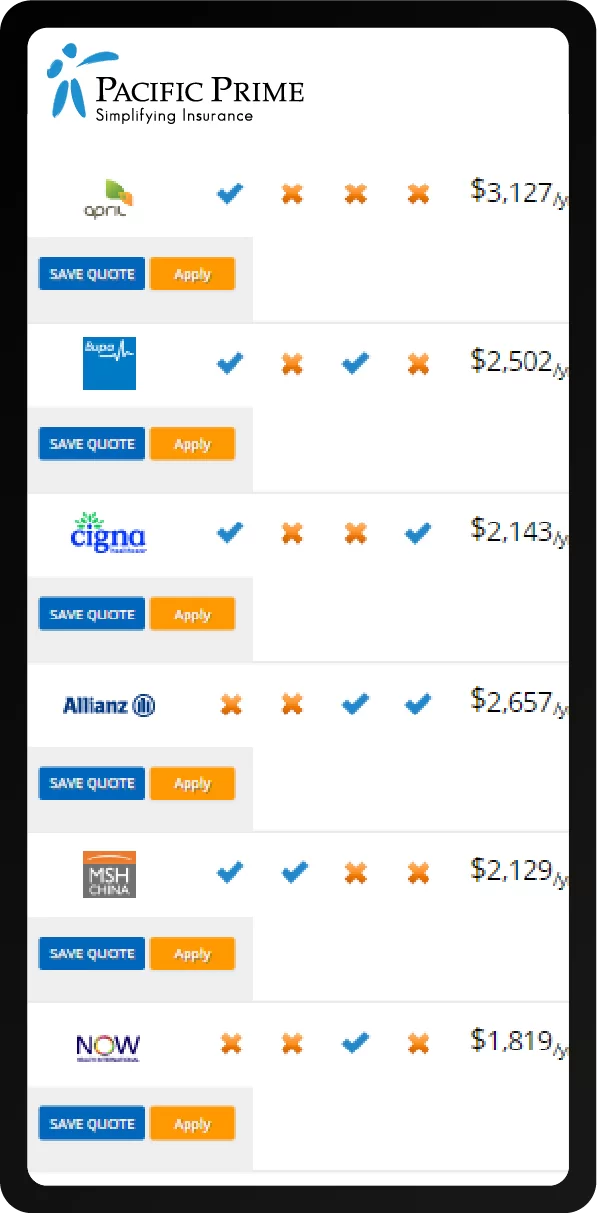
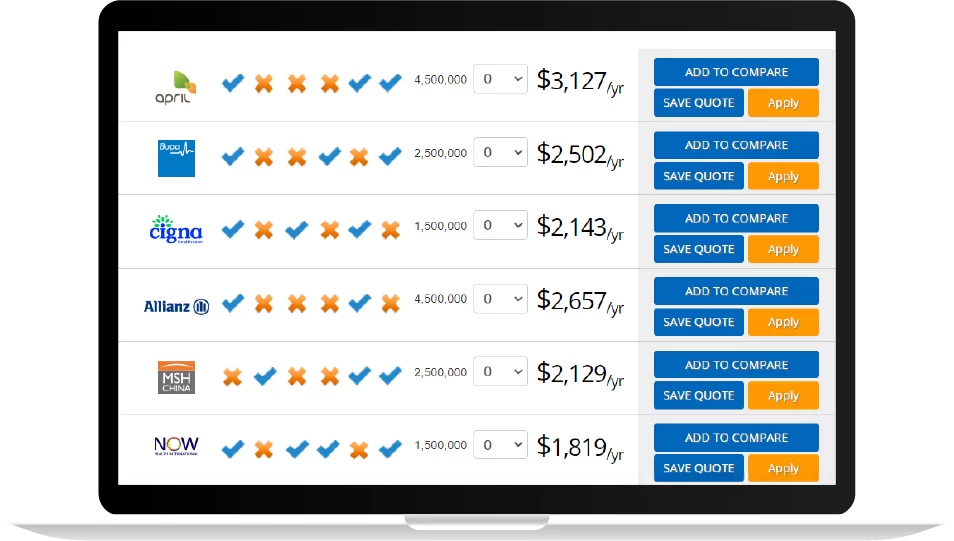
Discover the world's top
health insurers.
Compare quotes with
a click of the button.
This is where non-monetary benefits come in. While financial compensation still matters, many employees, especially younger adults and Gen Z, prioritize workplace culture, work-life balance, and development opportunities.
In this article, Pacific Prime explores some of the top non-monetary benefits for employees, along with practical examples and how these benefits can improve employee satisfaction, engagement, and retention.
For more insights, you can also explore the advantages of outsourcing employee benefits.
What are Non-Monetary Benefits?
Non-monetary benefits are workplace perks that do not directly increase an employee’s salary. Often called non-cash benefits, they focus on improving employees’ well-being, work experience, and overall job satisfaction.
Many non-monetary benefits come through private health insurance and wellness programs, which account for a significant share of employee benefits spending, including services such as mental health support, gym memberships, and preventive care initiatives.
While some benefits may have a financial value, such as company-funded health checkups or wellness allowances, they are still considered non-monetary because they are not paid as direct income.
In practice, non-monetary benefits generally fall into three categories:
- Psychological: Benefits that support mental health and workplace wellbeing
- Medical: Health and insurance coverage that protects employees’ physical health
- Lifestyle: Benefits that improve work-life balance and daily quality of life
Below are some of the most requested non-monetary benefits that companies around the world are offering to attract and retain talent.
Psychological Benefits of Non-Monetary Benefits
Mental health has become a growing priority for employers worldwide. As awareness increases, many organizations are expanding benefits that support employees’ psychological wellbeing and help reduce workplace stress.
Common psychological benefits companies implement include:
- Mental health coverage in group health insurance plans
- Access to a psychologist or counseling network
- Mental health awareness and education programs
- Workplace mental wellness initiatives
- Employee Assistance Programs (EAPs)
Many employers now include coverage for psychologist or therapist visits within their health insurance plans.
We are also seeing growing demand for mental health education and support resources that employers can share with staff. These resources may include articles, practical guides, and psychologists within the insurance provider’s direct billing network.
Another emerging non-monetary benefit is the Employee Assistance Program. EAPs are designed to provide confidential support services to help employees manage personal or work-related challenges. Some common issues that EAPs can help address include the following:
- Alcohol or substance abuse
- Childcare needs
- Stress and burnout
- Financial problems
- Relationship problems
Lifestyle Benefits of Non-Monetary Benefits
Lifestyle benefits are non-monetary perks designed to support employees’ daily lives and work-life balance. This is often where we see companies differ the most in terms of what benefits they choose to offer. Lifestyle benefits can include:
- Flexible working arrangement
- Gym memberships or yoga classes
- Childcare support
- Domestic helper coverage
- Healthy eating initiatives
- Preventative health programs
- Life insurance
In the past few years, we’ve seen increasing interest from companies to include preventive health initiatives, such as health education, nutrition programs, and regular health checkups.
International companies with multiple offices around the world are also increasingly offering benefits that support expatriate employees, such as relocation assistance and family coverage for dependents living abroad.
Medical Benefits of Non-Monetary Benefits
Medical benefits are often the foundation of an employee benefits package. Many employers build their overall benefits strategy around health insurance because it provides essential protection and long-term value for employees.
Offering medical insurance is still one of the best ways for companies of any size to attract and retain talent while supporting employee wellbeing.
Common medical-related non-monetary benefits include:
- Health insurance (inpatient and outpatient coverage)
- Maternity insurance
- Dental insurance
- Vision insurance
- Family coverage
When designed and implemented effectively, medical benefits can significantly improve employee satisfaction, retention, and productivity while strengthening a company’s overall benefits offering.
Build a Stronger Employee Benefits Strategy Today
Non-monetary benefits are beyond crucial in creating a competitive and supportive workplace. From health coverage and mental wellness programs to flexible work and lifestyle perks, the right benefits can significantly improve employee satisfaction and retention.
If your company is looking to introduce or enhance its employee benefits program, Pacific Prime’s corporate specialists can help. Our team provides impartial advice to help you identify the right solutions based on your workforce, budget, and business goals.
For more insights into global benefits trends, download the latest Pacific Prime Global Employee Benefits Trends Report. You can also explore our other resources to learn how to design a comprehensive benefits strategy for your organization.
Contact our Corporate team today to learn how we can support your employee benefits program.
Frequently Asked Questions
1. What non-monetary benefits do professionals value most in 2026?
Flexible working arrangements, additional leave, and career development benefits are consistently ranked as the most desired benefits by professionals.
2. Are non-monetary benefits as effective as salary increases for retention?
While pay remains a top factor, data from the Robert Half 2026 Salary Guide shows that a significant number of employees would switch jobs for stronger flexibility and wellness options, even without a pay raise.
3. How do AI and technology impact these benefits in 2026?
AI is being used to personalize benefit recommendations and provide real-time wellness support, such as identifying early signs of burnout or suggesting specific training courses based on an employee’s career goals.

Since joining Pacific Prime, Martin has become even more aware of the gap between the true value of insurance products and most people’s appreciation of it, and developed a passion for demystifying and simplifying matters, so that more people get the protection they need at a cost they can easily afford.
In his free time, Martin attends concerts of various genres, and plays the violin with piano accompaniment he pre-recorded himself or played live by his niece.
- 5 Things to Be Thankful for at Work - October 16, 2026
- Best Hospitals in Colombia for Expats (2026 Guide) - October 7, 2026
- How to Move to Portugal from the USA: Updated Guide for 2026 - October 6, 2026
Comments
2 Comments
How can organizations create a comprehensive non-monetary benefits package that addresses the diverse needs of a multi-generational workforce? How do non-monetary benefits like professional development and career growth opportunities impact employee retention and engagement?
Organizations can create a comprehensive non-monetary benefits package for a multi-generational workforce by offering a mix of psychological, medical, and lifestyle benefits tailored to diverse needs. This could include flexible work arrangements for younger employees, preventative healthcare and wellness programs for mid-career professionals, and financial planning or retirement support for older employees. Professional development opportunities and clear career growth pathways are especially impactful in improving employee retention and engagement, as they foster a sense of purpose and long-term commitment.
If you’re looking to design or enhance an employee benefits program, Pacific Prime’s experts can help you tailor a solution that meets your workforce’s unique needs. Contact us today for a free consultation!
Ask a Question
We'll notify you
when our team replies!