
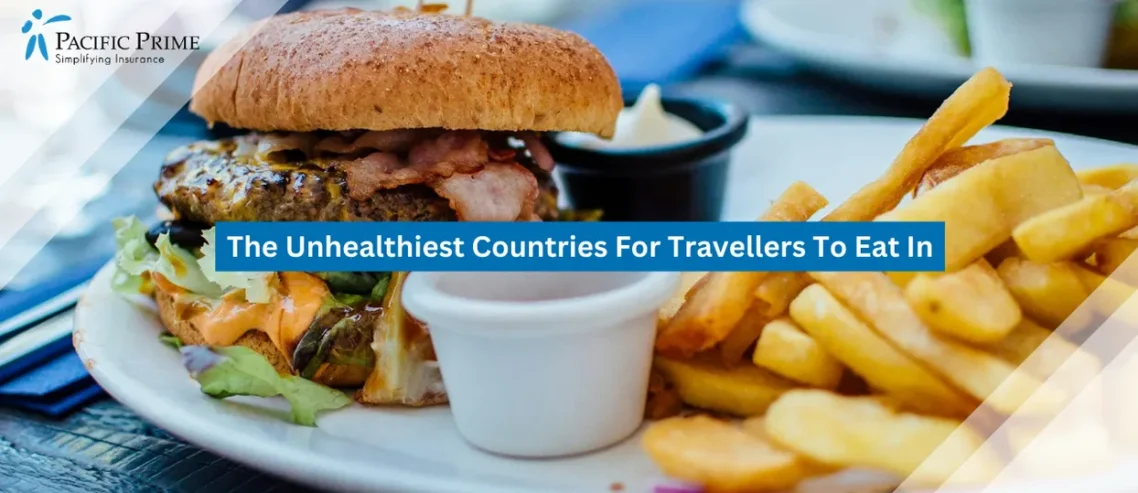
The Unhealthiest Countries For Travellers To Eat In
Traveling is about discovery, and food is often the highlight. Yet, not every culinary adventure is kind to your waistline or arteries. Using personal experience, prejudice, and a hungry stomach, this tongue‑in‑cheek guide explores the world’s most indulgent food destinations.
Discover the world's top
health insurers.
Compare quotes with
a click of the button.
We’ll journey through the United States, where fast food reigns supreme, and Taiwan, where night markets tempt with endless fried snacks. Then we’ll savor Mexico’s UNESCO‑recognized cuisine, indulge in Australia’s oversized portions, and sample the fried delights of the Netherlands.
South America joins the list with Chile and Argentina, where meat and wine dominate daily life, while the United Kingdom surprises with Scotland’s deep‑fried everything. Along the way, we’ll highlight cultural quirks, health pitfalls, and tips for balancing indulgence with wellness.
Ultimately, this article isn’t about avoiding these countries—it’s about enjoying them responsibly. Food is culture, and sometimes the most unhealthy meals are the most memorable. So read up before you chow down, and remember: moderation makes indulgence sustainable.

United States of America

America embraces its reputation for excess. Chain restaurants serve epic portions at low prices, and fast food dominates daily life. Drive‑thru culture means thousands of calories can be consumed without leaving the car. It’s tasty but dangerous for the health‑conscious traveler.
Milkshakes are the ultimate offender. A single fast‑food shake can pack over 1,100 calories, 27 grams of fat, and 168 grams of sugar. That’s more than a meal’s worth of energy in one cup. Visitors should balance indulgence with hikes in national parks to offset the damage.
Taiwan
Taiwan’s night markets are legendary. Xiao Chi, or “little snacks,” defines the culture: fried morsels, noodles, ice cream, and cheap beer. It’s irresistible, but the constant grazing adds up quickly, contributing to rising obesity rates among locals and unsuspecting travelers alike.
Smart travelers should mix indulgence with healthier options. Fruit and vegetable markets are abundant, offering fresh produce. Pairing city snacking with mountain hikes or a stroll through Taroko Gorge ensures calories are burned while still enjoying Taiwan’s vibrant food scene.
Mexico
Mexican cuisine is so good UNESCO declared it a cultural treasure. From tacos to tamales, the flavors are endless and addictive. Regional diversity means every city offers something new, making it nearly impossible to tire of the country’s culinary delights.
But with carbs, cheese, and fried goodness everywhere, moderation is key. Booking a hotel with a gym or pool helps balance indulgence. Long walks on the beach after dinner not only aid digestion but also let travelers soak in Mexico’s stunning coastal scenery.
Australia
Australia competes fiercely with America in obesity statistics. Large portions, heavy reliance on cars, and calorie‑dense meals fuel the trend. To make matters worse, laws prevent diners from taking leftovers home, encouraging overeating to avoid wasting expensive food.
Sharing meals is the smart traveler’s trick. Fish and chips taste just as good split between two people. Ordering schooners instead of pints reduces beer intake without sacrificing enjoyment. Pair indulgence with swims or hikes to keep the Aussie adventure balanced.
The Netherlands
Dutch cuisine surprises visitors. While locals remain slim, much of the food is fried or drenched in sauces. Fries with mayonnaise are iconic, and krokets (croquettes) deliver deep‑fried bliss. Stroopwafels, thin waffles filled with syrup, are another sugary temptation.
The saving grace? Bicycles. Cycling is the national pastime, and visitors should embrace it. Pedaling through canals and cobblestone streets burns calories while offering a quintessential Dutch experience. Indulge in fried treats, but balance them with two wheels.
Chile & Argentina
South America’s dynamic duo offers irresistible food and wine. Daily routines revolve around meat, empanadas, and pastries, followed by naps and late dinners. It’s a slow‑party lifestyle where indulgence is celebrated, and beef reigns supreme.
Travelers should join the fun but add movement. Strolling plazas, hiking scenic trails, or joining a football match helps offset heavy meals. Just be warned: locals take football seriously, so bring your best game if you step onto the pitch.
The United Kingdom
The UK’s culinary reputation is evolving. Scotland, in particular, has pioneered deep‑fried everything: candy bars, pizza, kebabs, and even butter. It’s indulgence taken to extremes, offering novelty but posing serious risks to arteries and waistlines.
Sampling is fine, but restraint is essential. Trying one or two fried curiosities makes for a memorable story. Pair indulgence with long walks through historic streets or countryside hikes to balance the caloric overload. Food guilt is best cured with movement.
Why We Love Unhealthy Food
Unhealthy food often equals comfort. Travelers crave indulgence because it’s tied to culture, nostalgia, and novelty. Fried snacks, oversized portions, and sugary drinks are part of the adventure. The danger lies in excess, not in the occasional guilty pleasure.
Unhealthy food also tells a story about a country’s values. America’s giant portions reflect abundance, while Taiwan’s night markets showcase community and tradition. Mexico’s rich cuisine celebrates heritage, and Scotland’s fried experiments highlight humor and creativity.
Balancing Indulgence with Wellness
Travelers can enjoy local cuisine responsibly. Tips include:
- Share meals to reduce portion sizes.
- Walk or cycle instead of relying on cars.
- Mix indulgent meals with fresh produce.
- Schedule active excursions like hikes or swims.
Balance doesn’t mean deprivation. It means savoring the best of local food while keeping health in mind. A taco in Mexico, a stroopwafel in Amsterdam, or fish and chips in Sydney are worth enjoying, just pair them with movement and moderation.
Global Food Trends
Economic growth often leads to higher obesity rates. Taiwan and Mexico showcase how prosperity fuels indulgence, while Australia’s dining laws encourage overeating. Meanwhile, nations like the Netherlands balance fried food with cycling culture, proving lifestyle matters as much as diet.
Globalization also spreads unhealthy habits. America’s fast food chains have become worldwide exports, reshaping diets across continents. Yet, local traditions like empanadas in Argentina or deep‑fried candy bars in Scotland remind us that indulgence is deeply cultural and proudly unique.
Food as Cultural Identity
Unhealthy food isn’t just about calories; it’s about identity. A milkshake in the USA, a night market snack in Taiwan, or a churro in Mexico tells you something about the people and their way of life. Food is a lens into culture, even when it’s artery‑clogging.
Travelers should embrace this perspective. Eating local food is a way of connecting with traditions, humor, and history. Yes, it may be unhealthy, but it’s also authentic. The trick is to enjoy it responsibly while appreciating the cultural story behind every bite.

Conclusion
While indulging abroad is part of the fun, foodborne illnesses can quickly turn a dream trip into a nightmare. From stomach bugs to serious infections, medical costs overseas can be high.
That’s where travel insurance comes in; it provides coverage for unexpected hospital visits, medication, and even trip interruptions caused by illness.
Protecting yourself with a comprehensive plan means you can enjoy local delicacies without worrying about the “what ifs.” For tailored advice and coverage options, contact Pacific Prime today and let their experts help you travel with peace of mind.

At Pacific Prime, Grace focuses on simplifying complex concepts on international health insurance to make these topics easily accessible and understandable for our target audience. Being a Filipino born in Hong Kong, she understands the struggles of most immigrants and expats in finding the right insurance solutions while in another country. Her goal is to redefine most people’s perception of insurance, that it is an investment for one’s protection and future.
In her spare time, Grace is either at home or at Hong Kong Disneyland. She loves reading, watching movies and K-dramas, and attending dance classes.
- Pacific Cross Thailand Health Insurance for Expats and Travelers (2026) - August 5, 2026
- UAE Medical Insurance Prices for Expats - June 5, 2026
- How Canadians Can Find Jobs in Dubai - May 25, 2026

Comments
2 Comments
How do travel insurance policies handle medical emergencies related to foodborne illnesses? Are there specific health insurance plans that cover dietary counseling or nutritionist visits for frequent travelers?
Travel insurance policies typically cover medical emergencies caused by foodborne illnesses, as they fall under emergency medical treatment provisions, provided the condition requires urgent care and is not pre-existing. For frequent travelers seeking coverage for dietary counseling or nutritionist visits, some comprehensive international health insurance plans may include wellness benefits or add-ons for preventive care, including consultations with specialists. To explore tailored plans that meet these needs, contact a Pacific Prime advisor through our Contact Us page for expert assistance.
Ask a Question
We'll notify you
when our team replies!