
Health Insurance for Canadian Expats in Germany
Canadians living in Germany can access public or private health insurance, though most expatriates prefer private international coverage. German law requires all residents to have proof of health insurance, so we recommend reviewing plans from top providers AXA, Allianz, and Bupa.
Discover the world's top
health insurers.
Compare quotes with
a click of the button.
Are you a Canadian moving to Germany soon? Need help finding the right health insurance for your needs?
This article will teach you how Germany’s healthcare system differs from Canada’s, what health insurance options Canadian expats have, who the leading insurance companies for expats are, and how much you can expect to pay in premiums.
We also recommend checking out the top international health insurance companies in Germany for expats to find the best plan available.
Overview of Germany’s Healthcare System: For Expats
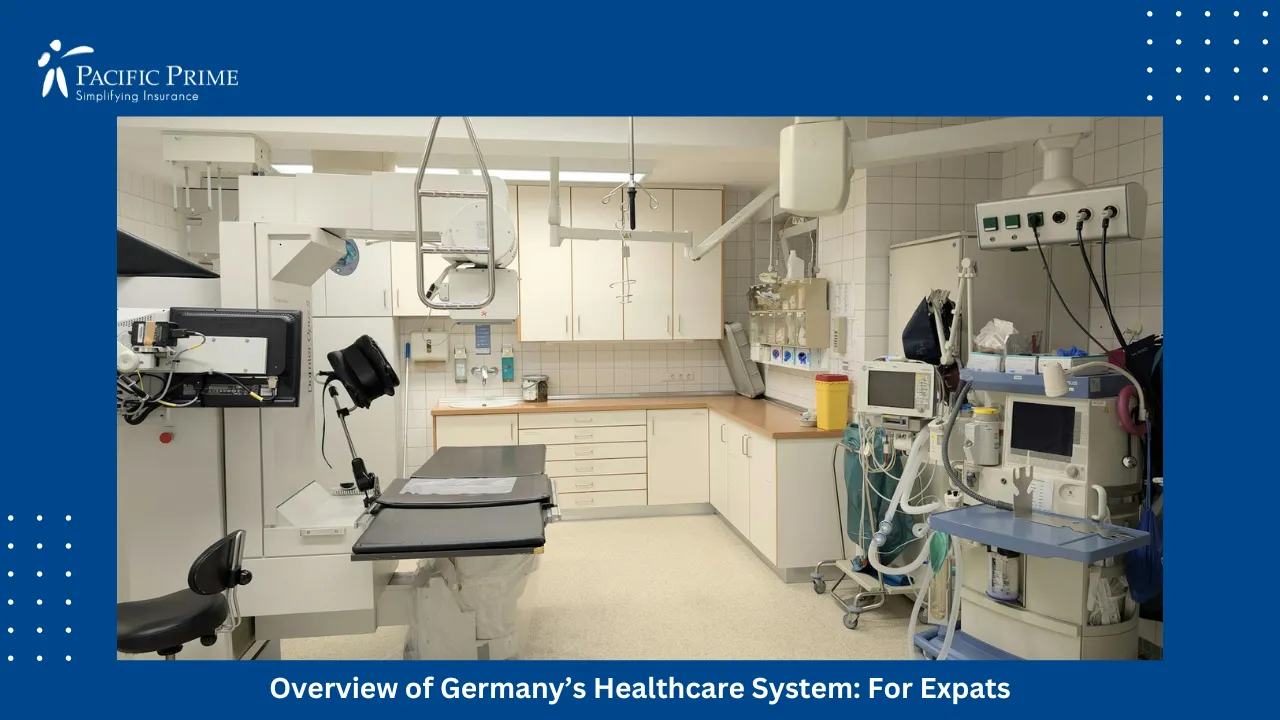
Germany’s healthcare system is one of the most advanced in the world, providing universal access to high-quality care through both public and private options. Canadian expats benefit from comprehensive coverage, modern medical facilities, and widespread English-speaking professionals.
Germany consistently ranks among the top global healthcare systems for accessibility, efficiency, and patient satisfaction. For Canadian expats, the balance between strong public healthcare and flexible private options makes it a secure choice for long-term living.
Here are some key facts about how Germany’s healthcare system is organized:
- Two-Tier System: Germany operates a dual public-private healthcare model, combining statutory health insurance (Gesetzliche Krankenversicherung, or GKV) and private health insurance (Private Krankenversicherung, or PKV) options.
- High Quality of Care: Hospitals and clinics are equipped with cutting-edge technology, and doctors must meet rigorous training and certification standards.
- Mandatory Health Coverage: All residents, including expats staying long-term, must have health insurance by law—either through a public or private plan.
- Employer Contributions: For employees, insurance premiums are typically split between the employer and employee, reducing out-of-pocket costs.
- English-Friendly Medical Services: In major cities such as Berlin, Frankfurt, and Munich, many healthcare professionals speak English, making communication easier for expats.
How Canada’s Healthcare System Compares to Germany’s
While both Canada and Germany offer universal healthcare, their systems differ significantly in structure, financing, and access. Canadian expats will find Germany’s healthcare more flexible and faster for specialized treatment but also more expensive due to required premiums.
Here’s a closer comparison between the two systems:
| Feature | Canada | Germany |
| System Type | Publicly funded universal system (Medicare) | Dual public-private system (GKV and PKV) |
| Funding Source | Funded through taxes | Funded through income-based contributions and premiums |
| Coverage Scope | Covers essential medical services; limited dental/vision | Comprehensive coverage including hospital, GP, and specialist care |
| Wait Times | Often long for specialists and elective procedures | Generally short, especially in private care |
| Choice of Providers | Patients usually assigned or referred | Patients can choose doctors and hospitals freely |
| Out-of-Pocket Costs | Minimal for basic care; extra for private services | Co-payments apply for prescriptions, hospital stays, and some services |
Can Canadian Expats Use Public Healthcare in Germany?
Canadian expats living in Germany can access the country’s public healthcare system, known as Statutory Health Insurance (Gesetzliche Krankenversicherung or GKV), if they meet eligibility criteria such as employment, student status, or long-term residence.
This system provides comprehensive coverage at affordable, income-based rates.
Here’s how it works for Canadians:
- Eligibility for Employees: Expats working in Germany and earning below the income threshold (currently about EUR 73,800 annually in 2026) are automatically enrolled in public health insurance through their employer.
- Contributions: Premiums are split equally between the employer and employee, typically totaling around 14–15% of gross income.
- Access to Care: Public health insurance covers general practitioners, specialists, hospital stays, and prescription drugs, ensuring access to quality medical care without major financial burden.
- Dependents Coverage: Spouses and children without independent income are included under the same public insurance plan at no additional cost.
- Registration Requirement: Canadians staying longer than three months in Germany must show proof of valid health insurance—public or private—when registering their residence.
Public healthcare in Germany is reliable, accessible, and financially predictable for expats employed in the country. However, self-employed Canadians or high-income earners may prefer private insurance for more flexibility and faster specialist access.
Private Germany Health Insurance for Canadians
Private health insurance in Germany offers Canadian expats greater flexibility, faster access to specialists, and premium services not covered by public insurance. It’s especially popular among freelancers, self-employed professionals, and high-income earners.
Here’s an overview of common features of private health insurance for Canadians in Germany:
- Eligibility: Canadians who are self-employed, students, or earning above the public insurance income threshold can opt for private coverage.
- Customizable Coverage: Private plans let you tailor your benefits, choosing from hospital room type, dental and vision coverage, maternity benefits, or international protection.
- Shorter Wait Times: Private health insurance members often receive faster appointments with specialists and access to private clinics with English-speaking doctors.
- Direct Billing: Many private insurers offer cashless billing at approved hospitals and clinics, reducing the need to pay out of pocket upfront.
- Premium Calculation: Unlike public insurance, private premiums are based on factors such as age, health condition, and selected benefits, not income level.
- Worldwide Coverage: Most international private plans cover medical care both in Germany and during travel abroad.
- Reimbursement Flexibility: Claims can be submitted online, and reimbursements are typically processed quickly.
- Multilingual Support: Leading providers offer English-language documentation, 24/7 helplines, and online customer service.
Private insurance is ideal for Canadians seeking flexibility, personalized service, and comprehensive protection beyond what public coverage provides. Private plans are particularly suited to those with international lifestyles or extended stays.
Average Cost of Medical Insurance in Germany

On average, Canadian expats can expect to pay between EUR 400–800 per month, which equals roughly CAD 595–1,190, for medical insurance in Germany. The cost varies depending on income, age, health status, and whether they choose public or private coverage.
Here’s a breakdown of the average monthly health insurance costs for Canadians in Germany:
| Type of Coverage | Average Monthly Premium (EUR) | Approximate Monthly Premium (CAD) | Coverage Details |
| Public (GKV) – Employee | EUR 400–450 | CAD 595–670 | Income-based; split 50/50 with employer; includes dependents |
| Public (GKV) – Self-Employed | EUR 700–800 | CAD 1,045–1,190 | Entire contribution paid by individual; income-adjusted minimum applies |
| Private (PKV) – Basic Individual Plan | EUR 350–500 | CAD 520–745 | Covers hospital, GP, and specialist visits; customizable coverage |
| Private (PKV) – Family Plan | EUR 700–1,200 | CAD 1,045–1,790 | Comprehensive coverage for dependents; includes maternity and dental |
| Student Health Insurance (Public) | EUR 120–150 | CAD 180–225 | Affordable statutory plan for international students under 30 |
Key Insights for Canadians
- Income-Linked Contributions: Public health premiums depend on income, while private insurance depends on personal health and chosen benefits.
- Employer Support: Expats working for German companies often pay half the total cost, easing the financial burden.
- Age Factor: Younger expats often find private plans more affordable, but costs rise with age.
- Comprehensive Coverage: Both systems include hospitalization, medication, preventive care, and emergency services.
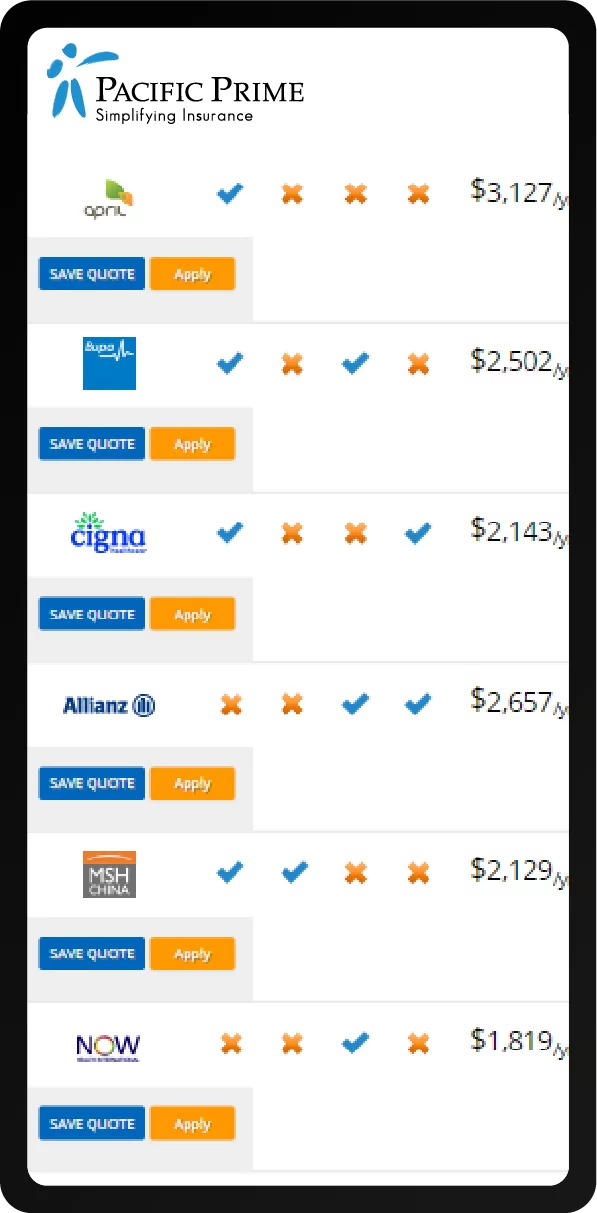
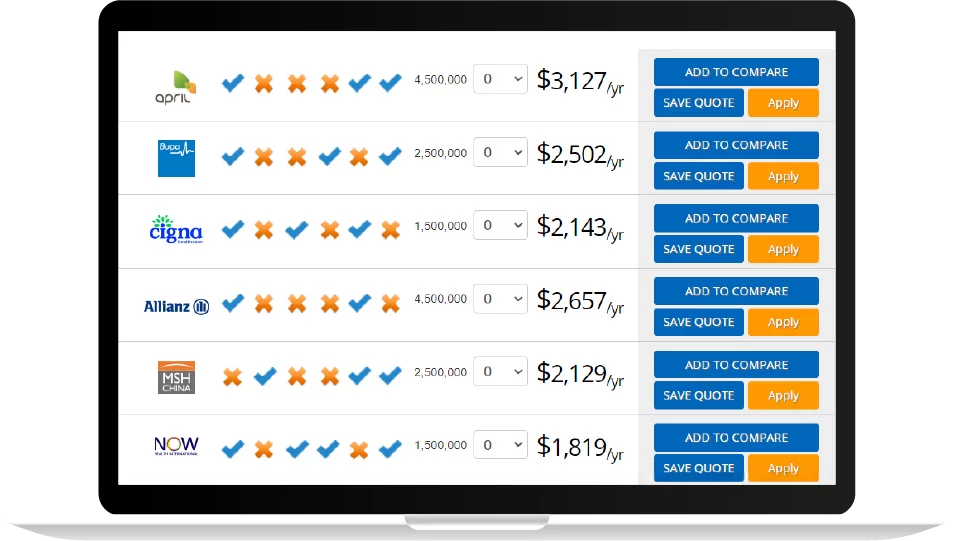
To get an accurate quote to your individual situation, use this online quote generator.
Recommended Insurance Providers in Germany for Expats
AXA Global, Allianz Care, April International, Bupa, and Cigna Global are our top recommended insurance providers for Canadian expats living in Germany. Each of these are reputable international health insurance providers offering global coverage, customizable benefits, and English-language support.
Below are six of the most trusted insurers, all of which have strong reputations for serving expatriates across Europe and beyond. You can compare quotes from these and other top insurers with our insurance quote generator.
AXA Global in Germany
AXA Global is one of the world’s largest and most established insurance groups, headquartered in France with operations in over 50 countries, including a strong presence in Germany. The company serves more than 105 million clients globally, providing a range of health, life, and travel insurance.
AXA is ideal for Canadians in Germany seeking reliable international coverage with flexible options for both private and corporate plans. Their German branch offers efficient customer service in English, digital claim management, and strong hospital networks across Europe.
Expats appreciate AXA’s financial stability, prompt reimbursements, and broad global reach.
Core Plans for Expats:
- AXA Global Health Plan
- AXA International Exclusive
- AXA Foundations Health Plan
Allianz Care in Germany
Allianz Care, founded in Munich in 1890, is one of Germany’s most respected and internationally recognized insurers. It serves over 120 million customers worldwide and offers some of the most comprehensive expatriate medical insurance plans on the market.
For Canadian expats, Allianz provides seamless access to healthcare both in Germany and abroad. Its global expat plans include international hospital coverage, medical evacuation, preventive care, and mental health services.
The company’s German roots ensure expats enjoy excellent local support and access to premium clinics within its extensive national network.
Core Plans for Expats:
- Allianz Care Core
- Allianz Care Classic
- Allianz Care Premium
April International in Germany
April International is a France-based global insurer that specializes in health coverage for expatriates. Operating in over 180 countries, it has built a reputation for simplicity, flexibility, and multilingual service, making it especially appealing for Canadians adjusting to life in Germany.
April’s expat health plans are known for their customizable benefits and modern digital management tools. Policyholders can manage reimbursements through a mobile app, access telemedicine, and receive assistance in English and French.
The insurer also offers coverage that extends outside the EU, which is useful for Canadians traveling between Europe and North America.
Core Plans for Expats:
- April MyHealth Essential
- April MyHealth Comfort
- April MyHealth Elite
Bupa Global in Germany
Bupa Global, headquartered in the UK, is a leader in international private medical insurance with over 38 million customers in 190 countries. Known for its premium-level service and extensive global hospital network, Bupa offers expats a luxurious healthcare experience with top-level customer care.
For Canadians in Germany, Bupa stands out for its world-class hospital partnerships and strong emphasis on preventive and mental health services. Expats benefit from 24/7 multilingual assistance, quick reimbursements, and the ability to receive treatment anywhere in the world.
This includes temporary visits back to Canada.
Core Plans for Expats:
- Bupa Global Select
- Bupa Global Premier
- Bupa Global Elite
Cigna Global in Germany
Cigna Global is a U.S.-based health insurance leader with over 180 million customer relationships across more than 200 markets. The insurer is widely regarded among expats for its flexibility, global support infrastructure, and easy online policy management.
Canadian expats in Germany appreciate Cigna’s customizable global health plans, which allow them to add modules like dental, vision, outpatient care, or maternity benefits.
Cigna’s strong international provider network and dedicated expat assistance make it one of the most convenient and reliable insurers for those frequently traveling between Europe and North America.
Core Plans for Expats:
- Cigna Global Silver
- Cigna Global Gold
- Cigna Global Platinum
Special Considerations for Canadian Expats
Canadian expats moving to Germany should understand that healthcare access, insurance eligibility, and system navigation differ from Canada’s publicly funded model. Adapting early to Germany’s dual system ensures smooth medical coverage and compliance with local regulations.
Here are key considerations for Canadians living in Germany:
- Mandatory Health Insurance Requirement: Every resident in Germany must maintain valid health insurance. Canadians cannot register for residency or obtain a visa without proof of public or private coverage.
- Residency Registration: After arriving in Germany, expats must register at the local Bürgeramt (citizen’s office) within 14 days and present evidence of health insurance to complete the process.
- Reciprocal Agreement: Germany and Canada currently have no reciprocal healthcare agreement. This means Canadian provincial health plans do not cover medical care received in Germany.
- Private vs. Public Eligibility: Canadians who are employed and earn below the annual income threshold must join the public system, while higher earners, freelancers, and digital nomads can choose private insurance.
- EU and Travel Coverage: Even though Canada is outside the EU, many private insurers offer pan-European coverage, ensuring access to healthcare while traveling within the Schengen Zone.
- Prescription Medications: Germany has strict prescription requirements and co-payment systems. Expats should bring necessary documentation or prescriptions from their Canadian physicians when possible.
- Language and Communication: While many doctors speak English in major cities, smaller towns may not. Private insurers often help connect clients to English-speaking specialists.
- Tax Implications: Health insurance premiums are generally tax-deductible in Germany, which can help offset monthly costs for self-employed or privately insured expats.
For Canadian expats, the most important step is to secure compliant insurance before or immediately upon arrival. Having a solid policy in place not only fulfills legal obligations but also guarantees access to one of Europe’s best healthcare systems.
How Canadians Apply for Health Insurance in Germany
Whether enrolling in public or private coverage, it’s essential to secure insurance before or right after arrival. Applying for health insurance in Germany is a straightforward process but requires proper documentation and timing, especially for Canadian expats applying for residence or employment.
Here’s a step-by-step guide for Canadians applying for health insurance in Germany:
- Determine Eligibility:
Identify whether you qualify for public (GKV) or private (PKV) insurance. Employees earning under the annual threshold of approximately EUR 73,800 (2026) must join a public insurer, while higher earners, freelancers, or students can choose private insurance.
- Gather Required Documents:
Prepare essential paperwork, including your passport, residence permit or visa, proof of address (Anmeldung), employment contract, and bank account details. Private insurers may also request a medical questionnaire or health assessment.
- Choose an Insurance Provider:
Research and compare reputable providers such as Allianz, AXA, Cigna Global, Bupa, or April International. For public insurance, well-known providers include TK (Techniker Krankenkasse) and AOK.
- Submit an Application:
Complete the insurer’s online or in-person application form. For public insurance, employers typically assist with registration. Private applicants submit their forms directly to the insurer or through a licensed broker.
- Receive Policy Confirmation:
Once approved, you’ll receive a confirmation letter or policy certificate. This document is required for residence registration and visa extensions.
- Register with Local Authorities:
Present your insurance confirmation at the Bürgeramt (citizen’s office) when registering your address. Proof of valid insurance is mandatory to finalize residency.
- Set Up Monthly Payments:
Premiums are usually paid via direct debit from your German bank account. Employees have contributions automatically deducted from their paychecks, while private policyholders pay directly to the insurer.
- Access Medical Care:
Once enrolled, you’ll receive a health insurance card which must be presented at clinics, hospitals, and pharmacies when accessing care.
Following these steps ensures that Canadian expats remain compliant with German law while gaining full access to the country’s comprehensive healthcare system.


Tips for Foreigners to Save on Premiums in Germany
Health insurance in Germany can be costly, especially for expats with private plans. Canadian expats can reduce their premiums by carefully selecting coverage options, comparing providers, and making smart lifestyle and policy choices.
Here are effective ways to lower your health insurance costs in Germany:
- Compare Multiple Providers: Research several insurers before committing. Rates and benefits vary, so comparing international companies like Allianz, Cigna, and April can help you secure the best value.
- Increase Your Deductible: Selecting a higher annual deductible reduces monthly premiums while still providing protection for major health expenses.
- Choose Only Necessary Coverage: Avoid optional add-ons like maternity or dental benefits unless they’re truly needed. Simplified plans often result in significant savings.
- Pay Annually Instead of Monthly: Some insurers offer discounts for paying premiums yearly or semi-annually instead of monthly.
- Join Employer-Sponsored Plans: Expats employed by German companies typically split insurance costs 50/50 with their employer, reducing out-of-pocket expenses.
- Stay Healthy and Active: Maintaining good health can help you qualify for lower private insurance premiums or loyalty benefits.
- Consider Age and Entry Timing: Signing up for private insurance earlier can lock in lower age-related premiums and favorable terms.
- Use Preventive Care: Many public and private plans in Germany offer free or discounted preventive screenings, helping you catch health issues early and avoid higher future costs.
Frequently Asked Questions
What happens if I don’t register for public health insurance in Germany?
Expats who fail to secure valid health insurance while residing in Germany may be liable for back-dated premiums from their registration date and be denied benefits.
Can Canadian expats switch to private health insurance in Germany?
Switching from statutory to private health insurance in Germany is only feasible when expats meet certain criteria, such as income thresholds or employment status. It may become difficult to reverse later on.
Can my Canadian provincial health plan cover me in Germany?
Canadian provincial healthcare plans do not typically cover residents in Germany, meaning expats must enroll in German statutory or private health insurance to meet legal residency requirements.
Conclusion: More Expat Resources
Canadian expats in Germany can enjoy one of the most advanced and reliable healthcare systems in the world when properly insured. Understanding the differences between public and private coverage, comparing providers, and enrolling correctly ensures you get uninterrupted care and peace abroad.
To discuss your questions with an international health insurance expert, contact our team online or via a call to +852-3113-1331.
You can begin comparing quotes and plans from the top providers right away with our insurance quote generator that has over 50,000 plans in its database.
We recommend Canadian expats explore the following resources before their move:
- Health Insurance for Canadian Expats in Japan
- Health Insurance for Canadian Expats in Mexico
- Health Insurance in Germany for Expats: Public vs Private Plans
- Guide For Living Abroad In Germany
- Canada’s Travel Advisory for Germany
- Germany’s Ministry of Health

Serena earned her Bachelor’s Degree in Psychology from the University of British Columbia, Canada. As such, she is an avid advocate of mental health and is fascinated by all things psychology (especially if it’s cognitive psychology!).
Her previous work experience includes teaching toddlers to read, writing for a travel/wellness online magazine, and then a business news blog. These combined experiences give her the skills and insights she needs to explain complex ideas in a succinct way. Being the daughter of an immigrant and a traveler herself, she is passionate about educating expats and digital nomads on travel and international health insurance.
- AXA Health Insurance in Indonesia for Expats (2026) - September 2, 2026
- Bupa Global in Indonesia: Health Insurance for Expats (2026) - September 2, 2026
- IMG Global Health Insurance in Indonesia (2026) - September 2, 2026

Comments
Comments are disabled for this post
We'll notify you
when our team replies!