
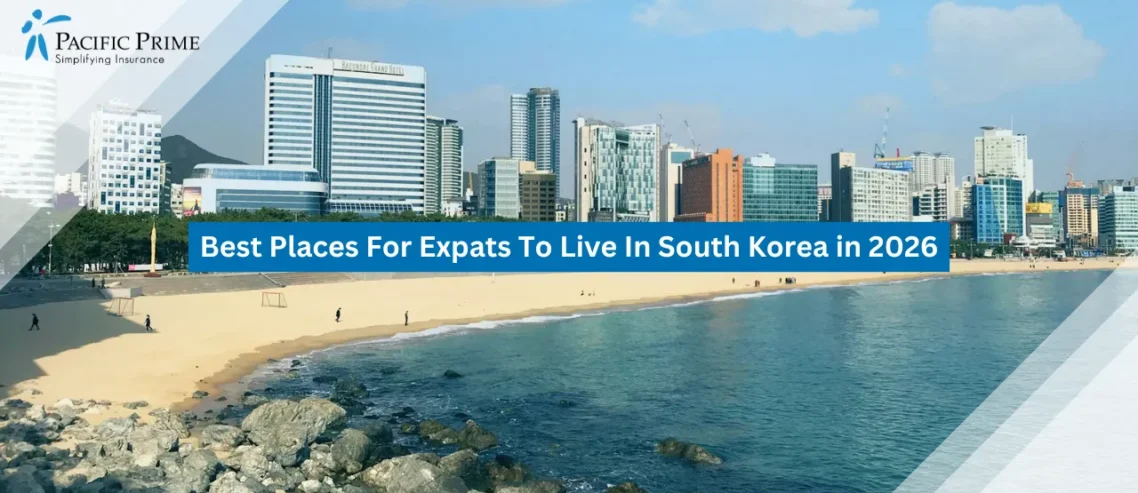
16 Best Places For Expats To Live In South Korea in 2026
The best places to live in South Korea for expats include Seoul, Busan, Incheon, Daejeon, Ulsan, and more. Expats and digital nomads will find a vibrant culture and a modern, affordable healthcare system in South Korea.
Discover the world's top
health insurers.
Compare quotes with
a click of the button.
Are you looking for a great place to settle in Asia as an expat or digital nomad? South Korea is well worth considering for its rich culture, advanced technology, and modern infrastructure.
In this article, we’ll cover the 16 best places to live in South Korea, along with tips for settling in and guidance on where to get health insurance for your stay abroad. Keep reading to discover our top recommendations for fulfilling your wanderlust.
Top 16 Best Places To Live In South Korea For Foreigners
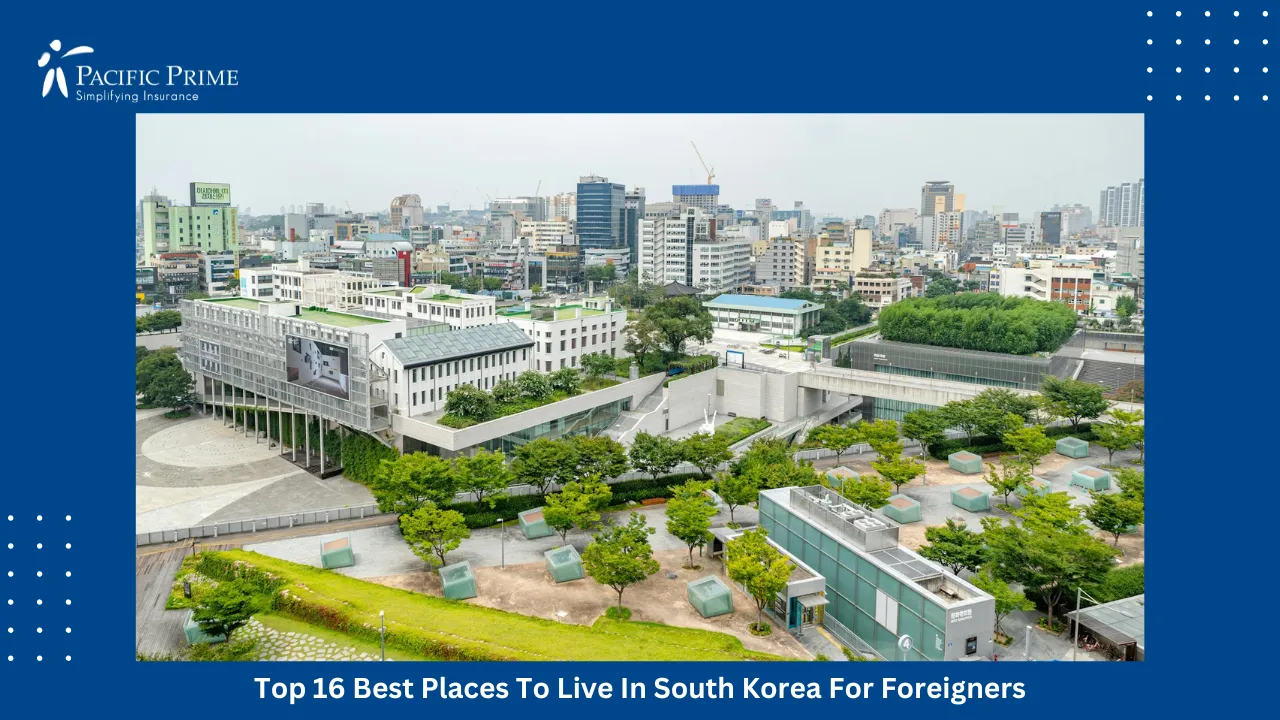
The top places to live in South Korea for foreigners include Busan, Jeju City, Daegu, Seoul, Itaewon, Hongdae, Incheon, Daejeon, Ulsan, Jeonju, Suwon, Gangneung, Gwangju, Pohang, Gyeongju, and Seongnam.
South Korea has relatively few English speakers, and many Western apps don’t work well there. Learning some basic Korean phrases will make daily life much easier. Some cities offer better support and amenities for expats, and we’ll highlight those options in this guide.
Here are our favorite places for expats:
- Busan
- Jeju City
- Daegu
- Seoul
- Itaewon
- Hongdae
- Incheon
- Daejeon
- Ulsan
- Jeonju
- Suwon
- Gangneung
- Gwangju
- Pohang
- Gyeongju
- Seongnam
We’ll explore each location in detail so you can understand the pros and cons of every option. Don’t forget to check out our other guides for more great places in Asia for expats!

Busan
Busan is a beautiful seaside city in South Korea for English-speaking travelers and expats. It has one of the largest expat communities in South Korea, so you may run into people who can give you guidance and pointers for adapting to your new home.
Pros of Busan
Busan has milder winters and warmer weather than Seoul, South Korea’s capital. It also boasts an urban setting that’s less intense than the capital region. For outdoor enthusiasts, Busan is close to beaches and mountains.
For fans of the Korean film industry, Busan hosts an International Film Festival. The latest and greatest in Korean film production is on display each year at the festival.
Travelers can enjoy the amazing street food available at lower prices than in restaurants. Like most of South Korea, Busan is considered pretty safe for having such a large population.
Cons of Busan
Busan is not very close to any international airports. Also, expats hoping to access familiar Western food will pay a hefty price while living in Busan.
Jeju City
Sunset at Jeju Do Seongsan Ilchulbong, Jeju Island at Night, South Korea
Jeju City is located on Jeju Island off the coast of South Korea. It has a lower cost of living than many other locations on our list. For expats looking for Sandy Beaches, Jeju Island is a fantastic place to settle. Digital nomads will also appreciate the fast internet speeds.
Pros of Jeju City
Jeju City is a relaxing atmosphere with less of a metropolitan feel. There’s a ferry to the mainland from here when you want to go exploring.
Rent on the island is usually lower than in the busy metropolitan cities, which makes the cost of living much lower.
Cons of Jeju City
The expat community is smaller on the island than in some other locations, but for confident travelers or Korean language speakers, this may not pose a problem.
Some people may not like the isolated way of life that accompanies island living, or they may not like the small city atmosphere.
Daegu
Daegu is one of the best cities for digital nomads. Many of its restaurants and bars feature Western and international influences, so expats can get a mix of the new and the familiar within the city. It’s the third-largest city in South Korea, with lots of nightlife and attractions.
Pros of Daegu
Daegu has many gorgeous parks and is near scenic mountains. Its markets are lively and an opportunity that expats won’t want to miss.
Cons of Daegu
Daegu has some incredibly hot summers. Daegu also has a smaller expat community than some of the other options.
Seoul

For expats hoping to dive into the culture and center of business, Seoul is the place. Although there aren’t many English speakers, there are some other expats throughout the city. Seoul has the nightlife and adventure that many digital nomads seek.
Pros of Seoul
Seoul has many districts and neighborhoods to choose from. For such a large city, Seoul is a safe place to live. We’ve featured specific neighborhoods within Seoul for consideration.
Cons of Seoul
Seoul has a high cost of living. In fact, it’s one of the most expensive cities in the world. Along with the high cost of living comes the busyness of a large metropolitan center.
Seoul is also known for its cold, icy winters. Seoul is in the right location to catch the very cold weather from northern Asia.
Neighborhood of Seoul: Itaewon
Itaewon is a haven for expats within Seoul. It’s a neighborhood within the Haebangchon district of the capital. For expats who need access to English speakers for banking and services, Itaewon is a great place!
Pros of Itaewon
Since many expats settle in the area, business owners are typically more accommodating. It may be easier to find a rental with a lower deposit than is typically required for rentals in South Korea. Itaewon has a vibrant nightlife.
Cons of Itaewon
Itaewon, a neighborhood of Seoul, has harsh winters and a high cost of living. Even though the neighborhood is safe, it does have a more active nightlife. That means expats who like quiet nights may find the area too busy or loud for their taste.
Neighborhood of Seoul: Hongdae
Hongdae is a neighborhood in Seoul, located in the Mapo district. We highlighted this portion of Seoul due to its perfect location for young expats or students. This neighborhood contains two universities and is close to two more.
Pros of Hongdae
For solo expats, Hongdae is a great area to find a studio or someone looking for a roommate. For young travelers, Hongdae promises other young people for socializing.
Cons of Hongdae
Since Hongdae is within Seoul, it will have a high cost of living and harsh winters. It’s also not the best location for couples or families.

Incheon
For expats who want access to more international destinations, Incheon is the location of choice. Incheon is home to the largest international airport in South Korea. It’s a great place for expats who want to immerse themselves in the Korean language and experience.
Pros of Incheon
Lower cost of living than in the capital. Incheon has a wide variety of food available. There are also little islands off the coast of the city for day trip excursions.
Cons of Incheon
Incheon is known for its very intense work culture. Like many of the other cities on our list, Incheon has cold, harsh winters. Incheon also doesn’t have many English speakers, which means expats need a more Korean language background to thrive here.
Daejeon
Daejeon is known as a scientific center. It’s not as busy as Seoul and Busan, but it still has many benefits of a larger city! It’s a fantastic city for expats who love the outdoors. The nearby mountains offer a retreat from the city into nature.
Pros of Daejeon
The rest of South Korea is easily accessible from Daejeon thanks to the transportation infrastructure and high-speed trains. Daejeon is located close to many beautiful hiking trails.
Cons of Daejeon
Daejeon has very cold winters. It also doesn’t have as many activities as the larger cities like Busan and Seoul.

Ulsan
Ulsan offers a green belt and sandy beaches for expats in the southern part of South Korea. It has nearby hiking trails and lots of activities. Ulsan will offer milder winters than northern destinations like Seoul or Incheon.
Pros of Ulsan
Ulsan is close to Busan and has many opportunities. The parks and recreational opportunities in Ulsan attract many visitors. Public transportation also makes traveling throughout the city easy.
Cons of Ulsan
Ulsan is an industrial capital with many factories and some terrible air pollution. It’s also very difficult to find western food options.
Jeonju
Jeonju is the place for expats who really want to experience the food, cultures, and traditions of smaller towns in South Korea. It’s a less common destination for other expats or tourists. Make sure you’re equipped with some Korean language for a retreat in Jeonju.
Pros of Jeonju
Jeonju has exciting food and many cafes that feature a wide variety of traditional and modern Korean food.
Cons of Jeonju
For expats seeking a vibrant nightlife, Jeonju may be too tame. Since Jeonju doesn’t have a lot of Western food, some expats may find the adjustment to living a little more challenging.

Suwon
Suwon is an area with lots of historical sites for expats to learn about and enjoy. It’s also only twenty miles from Seoul. That means you can live in Suwon’s slower pace with access to Seoul’s many attractions.
Pros of Suwon
Living in Suwon will give you access to more of South Korea’s rich history and culture. It’s also less traffic-congested than the large cities. It will give any expat a chance for relaxation from the fast pace of the big cities.
Cons of Suwon
Suwon has very cold winters. Many expats may find more cultural barriers in a smaller town like Suwon. You’ll also want to travel to the larger cities to find more activities to do.
Gangneung
Gangneung is a charming coastal city on South Korea’s east coast, offering expats a blend of natural beauty and modern amenities. Its scenic beaches, vibrant local culture, and proximity to winter sports attractions make it a refreshing alternative to the country’s bustling metropolises.
Pros of Gangneung
Enjoy mild winters with a cool ocean breeze and beautiful sandy beaches. The city hosts seasonal festivals that celebrate traditional Korean arts and sports. Expats can take advantage of the city’s outdoor activities, from hiking nearby mountains to water sports along the coast.
Cons of Gangneung
While growing, the expat community is still relatively small, which might make social networking a bit more challenging. The local public transportation isn’t as extensive as in bigger cities, so having a personal vehicle might be helpful.

Gwangju
Gwangju is renowned for its rich history and flourishing art scene, offering expats a taste of South Korea’s creative spirit alongside modern conveniences. Its lower cost of living and vibrant cultural landscape make it a fantastic destination for those seeking a unique urban experience.
Pros of Gwangju
Gwangju is ideal for art lovers, with galleries, museums, and festivals showcasing both traditional and modern Korean culture. The city offers affordable housing and lower living costs than Seoul, as well as friendly locals and a strong sense of community that make it welcoming for expats.
Cons of Gwangju
The pace of life here is slower, which may not suit everyone used to the fast rhythm of larger cities. Limited availability of international cuisine might challenge expats who crave a taste of home.
Pohang
Pohang, a bustling coastal city known for its industrial prowess and academic influence, offers a unique balance of work and leisure. With beautiful seaside views and a growing expat scene, this city is ideal for digital nomads who appreciate a mix of modernity and nature.
Pros of Pohang
The city’s coastal setting offers scenic views ideal for waterfront living and outdoor adventures. Its universities and research institutes create an innovative atmosphere that attracts tech-savvy expats. Lower rental costs than major cities also make urban living more affordable.
Cons of Pohang
Its industrial character can sometimes lead to environmental concerns like air quality issues. Although improving, the range of international restaurants and services may be limited for some expats.


Gyeongju
Step back in time in Gyeongju, the ancient capital of the Silla Kingdom, where history and modern living coexist harmoniously. This city is perfect for expats who appreciate rich cultural heritage, stunning historical sites, and a slower pace of life.
Pros of Gyeongju
Gyeongju is home to UNESCO World Heritage Sites, ancient temples, and historical landmarks, offering endless exploration. With a lower cost of living and a relaxed atmosphere, it’s ideal for those seeking a slower pace. The city’s rich cultural heritage provides a unique and rewarding lifestyle.
Cons of Gyeongju
The limited nightlife and fewer international amenities might not suit expats seeking a vibrant urban experience. English is less commonly spoken, so a bit of Korean language proficiency is recommended for daily interactions.
Seongnam
Located just outside of Seoul, Seongnam offers the convenience of metropolitan access with a quieter, suburban feel. It’s a modern city that’s rapidly developing into a tech hub, making it attractive for expats and digital nomads who want proximity to the capital without the constant city bustle.
Pros of Seongnam
With excellent public transportation and close proximity to Seoul, Seongnam offers the perfect balance of urban excitement and suburban calm. Modern infrastructure and a growing tech industry attract professionals, while abundant parks and green spaces create a relaxed lifestyle ideal for families.
Cons of Seongnam
Despite its modernity, expats might find that the international community is smaller compared to central Seoul. Some areas can still feel overly commercialized, and finding authentic local experiences might require a bit of exploration.
Conclusion
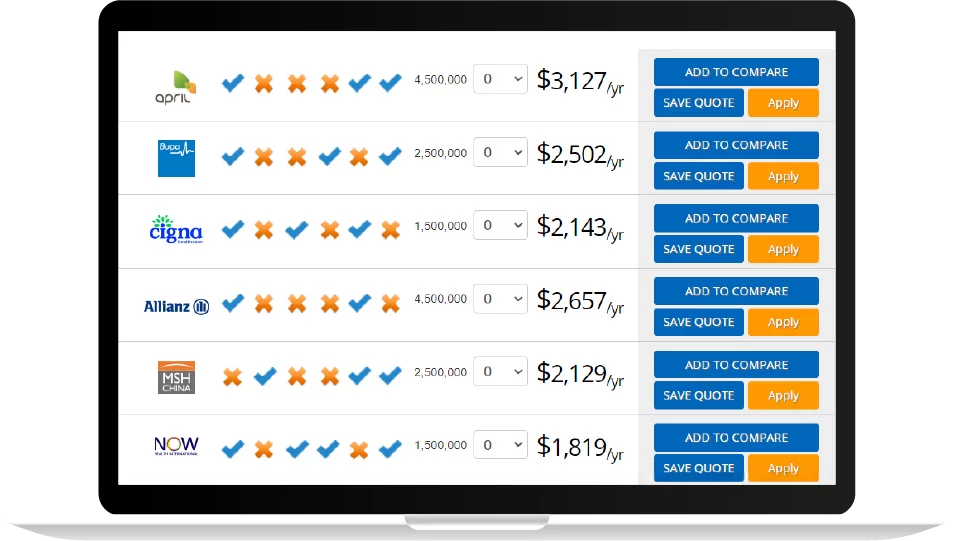
South Korea offers a range of expat cities, from global hubs like Seoul to regional centers like Busan. No matter where you choose to live, having the right health insurance in place is essential to fully enjoy your experience and access the country’s high-quality healthcare system with confidence.
Pacific Prime supports expats in South Korea by helping them compare and secure international and local health insurance plans tailored to their needs, lifestyle, and budget. With expert advice and direct access to leading insurers, we make it easier to stay protected while living abroad.
To explore your options, please feel free to speak with our expert advisors for a free, no-obligation quote, or continue your journey with our guides to living in China and Singapore.

With his keen interest in journalism, especially in the healthcare and wellness field, Tawan joins Pacific Prime with the goal of creating content that simplifies health insurance solutions, helping people make informed choices and choose the best options for their needs. Tawan firmly believes that words have power that can shape the world for the better.
In his free time, Tawan loves to pick up his Nintendo Switch and wield his Master Sword in Hyrule’s dungeons. He is also an avid sci-fi books/shows enjoyer. You can spot him hanging around bookstores and game shops all day long!
- UAE Family Health Insurance: Coverage for 2026 - May 28, 2026
- Opening a Bank Account in Mexico: 2026 Guide for Expats - April 7, 2026
- The Cost of Living in Brazil - April 6, 2026

Comments
2 Comments
What is the job market like for expats in South Korea, and which industries are most welcoming to foreign workers?
The job market in South Korea for expats is vibrant, with the education, technology, and entertainment industries being the most welcoming to foreign workers. Teaching English remains the most accessible job for native English speakers, while IT, engineering, and gaming sectors attract skilled professionals. However, challenges can include language barriers and cultural differences in workplace practices, making it helpful to learn basic Korean and adapt to local work customs.
For expats moving to South Korea, securing health insurance is essential to accessing the country’s excellent healthcare system. Contact Pacific Prime for expert advice on international health plans tailored to your needs!
Ask a Question
We'll notify you
when our team replies!