
Opening a Bank Account in Mexico: 2026 Guide for Expats
To open a bank account in Mexico as an expat, you must provide official documentation verifying your identity and your legal residency status. This includes a valid passport, a current Temporary or Permanent Resident Card, and a recent utility bill to serve as proof of address.
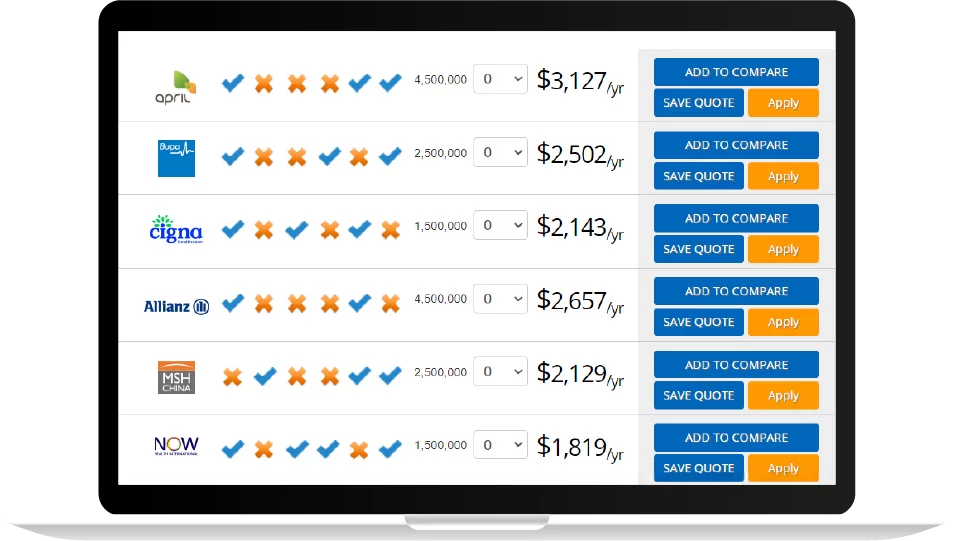
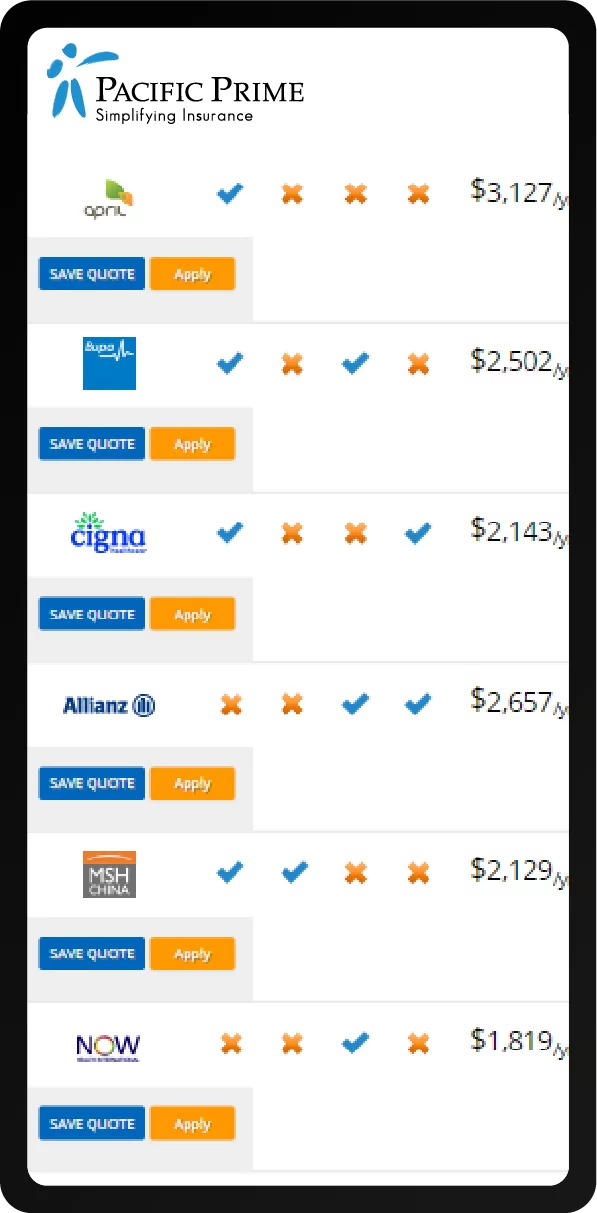
Discover the world's top
health insurers.
Compare quotes with
a click of the button.
Additionally, you will likely need to provide your CURP (Unique Population Registry Code) and a minimum initial deposit to activate the account and cover any associated service fees.
Are you an expat looking to open a bank account in Mexico? Keep reading this article for a comprehensive overview of all the procedures. You may also read up on the top 10 international insurance companies in Mexico for expats.
How Can Expats Open Bank Accounts in Mexico?
Expats can open a bank account by visiting a local bank branch and providing their passport, residency card, proof of address, foreign ID, and a Mexican phone number. These are standard requirements for most bank applications; however, it is advisable to also check each bank’s respective website.
Listed below are the extensive requirements to open a bank account in Mexico:
- Valid government-issued photo identification (like a Passport)
- A letter confirming your address issued within the last 90 days (such as a utility bill)
- Documentation proving your legal entry into Mexico, such as a Temporary Resident Card (Residente Temporal) or Permanent Resident Card (Residente Permanente)
- Providing a minimum deposit of around MXN $1000 (around USD $50)
Which Banks Should Expats Open an Account With?
While there are many banks to choose from, InterNations and ADV Ratings list BBVA Bancomer, Banorte, Banco Santander, and Citibanamex as the banks that expats prefer the most, which provide them with an option to open an international bank account.
Listed below are the details of each bank and why they are most popular among expats:
- BBVA Bancomer: Presently holds the top position among Mexico’s banks based on total assets. Offering extensive services catering to private individuals, retail clients, and corporations, it stands as a major player in the Mexican banking sector.
- Banorte: Currently the second-largest bank in Mexico in terms of total assets, predominantly owned by Mexican investors. Renowned for its widespread network of POS terminals and bank branches, it offers convenient accessibility to its customers.
- Banco Santander: Positioned as the third-largest bank in Mexico by total assets, Banco Santander serves a customer base exceeding 20 million. Its offerings include competitively priced credit cards, insurance, and retirement products, along with cash management solutions.
- Citibanamex: Ranked fourth in Mexico’s banking landscape by total assets, Citibanamex caters extensively to corporate clients and small to medium-sized enterprises (SMEs), including those in the retail sector.
To register for online banks, expats can rely on Hey Banco or Amazon Rechargeable cards. Their details are as follows:
- Hey Banco: Comprehensive banking services tailored for both personal and business needs, encompassing credit card management, payroll solutions, loan administration, and investment management.
- Amazon Rechargeable: A globally accepted cash card usable at ATMs worldwide, devoid of monthly charges or obligatory minimum balances. Deposits can be conveniently made at Bonarte ATMs and branches.
To register for international banks that operate in Mexico, expatriates can look into the following. Please note that these banks are more catered to investors and business owners in Mexico:
- HSBC Mexico: HSBC operates as one of the major banking institutions in Mexico, offering a wide range of financial services, including retail banking, wealth management, corporate banking, and investment banking. It caters to both individual and corporate clients with a diverse portfolio.
- Mitsubishi Bank: Mitsubishi UFJ Financial Group (MUFG) operates in Mexico through its subsidiary, Mitsubishi UFJ Financial Group Mexico (MUFG Mexico). It provides corporate and investment banking services, including financing, advisory, and treasury services, primarily serving large corporations.
- Scotiabank Inverlat: Scotiabank Inverlat is a subsidiary of the Canadian multinational bank, Scotiabank. It offers retail and commercial banking services in Mexico, including personal banking, mortgages, loans, and investment products.
- ING Bank: ING Bank operates in Mexico as a provider of wholesale banking services, focusing on corporate and investment banking solutions. It offers a range of financial products and services, including financing, advisory, risk management, and capital markets services.
- UBS Bank: UBS operates in Mexico as a provider of wealth management and investment banking services. It offers tailored wealth management solutions, investment advisory services, and access to global capital markets for high-net-worth individuals, institutional clients, and corporate clients.
An Overview of Mexico’s Tax System
Mexico’s tax system includes corporate tax, VAT, income taxes, social security, capital gains, and real estate tax, so it is advisable for all expats to understand the main taxes and their types prior to conducting any type of banking.
- Corporate Tax: Mexican companies are obligated to pay tax on all income earned, irrespective of business type, at a rate of 30%. Foreign companies are subject to identical tax regulations, although there are exemptions aimed at attracting foreign investment.
It’s also noteworthy that, unlike many Latin American nations, Mexico primarily imposes taxes at the federal level. Additionally, companies may face a 10% tax on employee profit-sharing.
- VAT: Known as Impuesto al Valor Agregado (IVA), the standard rate is 16% and is applicable to goods and services. However, staple foods, water, agricultural supplies, books, and magazines are exempt. Certain services, such as immovable property, financial services, and insurance, are also exempt.
- Income Taxes and Social Security: Under the Impuesto Sobre la Renta (ISR), employers may be required to pay a personal income tax, which is progressive up to ~35%. All employees must be registered with the Mexican Institute of Social Security, which provides unemployment and disability benefits.
- Capital Gains and Real Estate: Property taxation in Mexico encompasses acquisition tax, which can reach up to 5.9% in Mexico City; annual predial tax paid to the municipality; and capital gains tax, also classified under Impuesto Sobre la Renta (ISR).
While Mexico’s tax system can seem complex, it may offer advantages for some expats and foreign investors, particularly through tax treaties and business incentives. However, obligations and benefits vary depending on individual circumstances.
Tax Considerations for Expats in Mexico
Mexico’s tax system is relatively straightforward but not universally low-tax. While some features may benefit expats, obligations vary based on residency status and income structure.
Here’s a breakdown of key tax points for expats in Mexico:
- Dividends (10% Withholding Tax): Mexico imposes a flat 10% withholding tax rate on dividends, including foreign shareholders. This is in addition to corporate income tax, so the overall tax burden should be considered.
- No Payroll Taxes: Businesses in Mexico are exempt from payroll taxes, reducing administrative costs and fostering business growth and employment opportunities.
- Property Transfer Tax (from 2% to 5%): Real estate acquisitions in Mexico are subject to transfer taxes, ranging from 2% to 5% or higher, depending on the state.
- No Stamp Duty: Mexico does not enforce stamp duty on legal documents or transactions, alleviating financial burdens for individuals and businesses.
- Non-Resident Taxation: Non-residents earning income in Mexico are taxed only on income generated within the country, preventing double taxation and encouraging international investment.
- Capital Gains Exemptions for Residents: Expat residents with a valid RFC (Tax ID) can often qualify for significant exemptions on capital gains when selling their primary residence, provided they have lived in the property for at least three years (subject to specific value caps).
Secure Health Insurance Before Setting Up a Bank Account
If you plan to live in Mexico long-term, healthcare is something you shouldn’t overlook. For expats, health insurance makes it much easier to access private care and avoid unexpected medical costs.
Listed below are the advantages of having health insurance as an expat living in Mexico:
- Choice and Flexibility: Health insurance provides expatriates with the freedom to select their preferred healthcare providers and facilities. They can opt for private hospitals or clinics, which often offer shorter wait times, English-speaking staff, and personalized attention.
- Peace of Mind: With health insurance coverage, expatriates can rest assured that their medical expenses are taken care of. This eliminates worries about facing significant healthcare costs in the event of accidents or illnesses.
- Emergency Assistance: In case of a medical emergency, policyholders have access to 24/7 helplines and assistance from their insurance provider. This includes arranging emergency medical evacuations and offering guidance on local healthcare options.
- Language and Cultural Support: For expatriates who may not speak Spanish fluently or are unfamiliar with the local healthcare system, health insurance offers language support services. This facilitates effective communication between patients and healthcare providers.
- Additional Services and Benefits: Some health insurance plans may include extra services like preventive care, wellness programs, mental health support, and coverage for pre-existing conditions.
- Access to Quality Healthcare: Health insurance grants expatriates access to a wide network of healthcare providers and facilities, allowing them to receive medical care from reputable hospitals, clinics, and specialists.
- Comprehensive Coverage: Typically, health insurance plans for expatriates in Mexico offer comprehensive coverage, including doctor consultations, hospitalization, surgeries, laboratory tests, prescription drugs, and emergency services. Without such coverage, these expenses could be expensive.
Frequently Asked Questions
Can expats open a bank account in Mexico?
Expats are eligible to open bank accounts. However, Mexican banks require the submission of legal documentation verifying residency status before an account can be opened. Additionally, providing a passport photo and other supplementary documents is mandatory.
Is it possible for tourists to open bank accounts in Mexico?
No. While Mexican citizenship is not required, most banks do require temporary or permanent residency to open an account. Most tourists on short-term visas are not eligible to open a bank account.
What documents do expats need to open a bank account in Mexico?
Most banks require a valid passport, a temporary or permanent residency card, proof of address in Mexico (such as a utility bill), and sometimes a local tax ID (RFC) or Mexican phone number. Requirements may vary slightly by bank.
Key Takeaways for Expats in Mexico
In conclusion, opening a bank account in Mexico requires the right documents, typically including residency status, along with an understanding of local banking and taxes.
However, the most critical “day one” step isn’t all about finances. It’s how you can protect your health while you’re far away from home. With over 25 years of experience, Pacific Prime stands out for finding affordable, tailored solutions to meet your needs.
To stay ahead of the curve, check out our latest guides on the top 10 insurance companies in Mexico for expats, driver’s license requirements in Mexico for Americans, and the cost of living in Mexico.
Don’t leave your peace of mind to chance. Whether you want to compare quotes online or chat with one of our advisors, let’s make sure you’re covered before you set sail on your new adventure.

With his keen interest in journalism, especially in the healthcare and wellness field, Tawan joins Pacific Prime with the goal of creating content that simplifies health insurance solutions, helping people make informed choices and choose the best options for their needs.
- Cigna Global Health Insurance in Thailand for Expats - August 5, 2026
- UAE Family Health Insurance: Coverage for 2026 - May 28, 2026
- Opening a Bank Account in Mexico: 2026 Guide for Expats - April 7, 2026
Comments
Comments are disabled for this post
We'll notify you
when our team replies!