

History’s Most Terrifying Diseases Explained
Deadly diseases like the Black Death, Spanish flu, Ebola, and HIV/AIDS have shaped human history and still threaten global communities today. Learning about these frightening illnesses helps you spot warning signs, understand how they spread, and protect yourself in our connected world.
Discover the world's top
health insurers.
Compare quotes with
a click of the button.
This Pacific Prime guide explores the scariest diseases ever recorded, from mad cow disease and Ebola to HIV/AIDS. Many remain present today, making knowledge of their symptoms, transmission, and prevention strategies essential for anyone living or traveling abroad.

10. Mad Cow Disease & Human Infection Risks

Mad cow disease (BSE) affects cattle brains and can spread to humans as variant Creutzfeldt-Jakob disease (vCJD). Symptoms include memory loss, dementia, seizures, and death. Linked to contaminated beef, outbreaks revealed the dangers of unsafe food practices.
vCJD has a 100% mortality rate, with over 170 deaths worldwide. Other forms of Creutzfeldt-Jakob disease have appeared in Papua New Guinea, showing how eating infected animals can transmit the illness. Food safety remains critical to prevention.
The disease’s long incubation period means infected cattle may be consumed before symptoms appear. Millions of cows were destroyed during outbreaks, but concerns remain about hidden risks in the food chain, reminding us to stay vigilant about what we eat.
9. Flesh-Eating Bacteria: Rapid Tissue-Killing Infection
Necrotizing fasciitis is a rare but terrifying infection. It can start from a small cut and quickly destroy skin and tissue. Victims may develop blisters, fever, and sepsis. Without urgent medical care, survival chances drop dramatically.
The disease spreads fast, often overwhelming even timely treatment. Survivors may face permanent scarring or amputations. Its speed and severity make it one of the most feared bacterial infections, despite not being the most common killer.
Treatment usually involves strong antibiotics or surgical removal of infected tissue. In severe cases, amputation is required. Mortality rates remain high, with about 25% of patients dying even after medical intervention, showing its deadly impact.
8. MRSA: Antibiotic-Resistant Hospital Superbug
MRSA is a resistant strain of Staphylococcus aureus that spreads in hospitals. It causes boils, rashes, and sometimes deadly pneumonia. Resistant to common antibiotics, MRSA highlights the dangers of misuse and the urgent need for infection control.
Discovered in 1961, MRSA has become a global problem. Studies show it causes more deaths annually in the U.S. than AIDS. With limited treatment options, therapies range from costly antibiotics to unconventional methods like maggot therapy.
7. Ebola & Hemorrhagic Viruses
Ebola spreads through bodily fluids, causing fever, weakness, and severe internal bleeding. Mortality rates can reach 90%. Its rapid progression and high fatality make it one of the most feared viruses in modern history.
Outbreaks in Africa since 1976 have killed thousands. The virus’s short incubation period limits travel but makes containment urgent. Ebola, Marburg, and related hemorrhagic fevers remain among the deadliest threats to global health.
6. Malaria: Mosquito-Borne Killer Still Threatening Millions
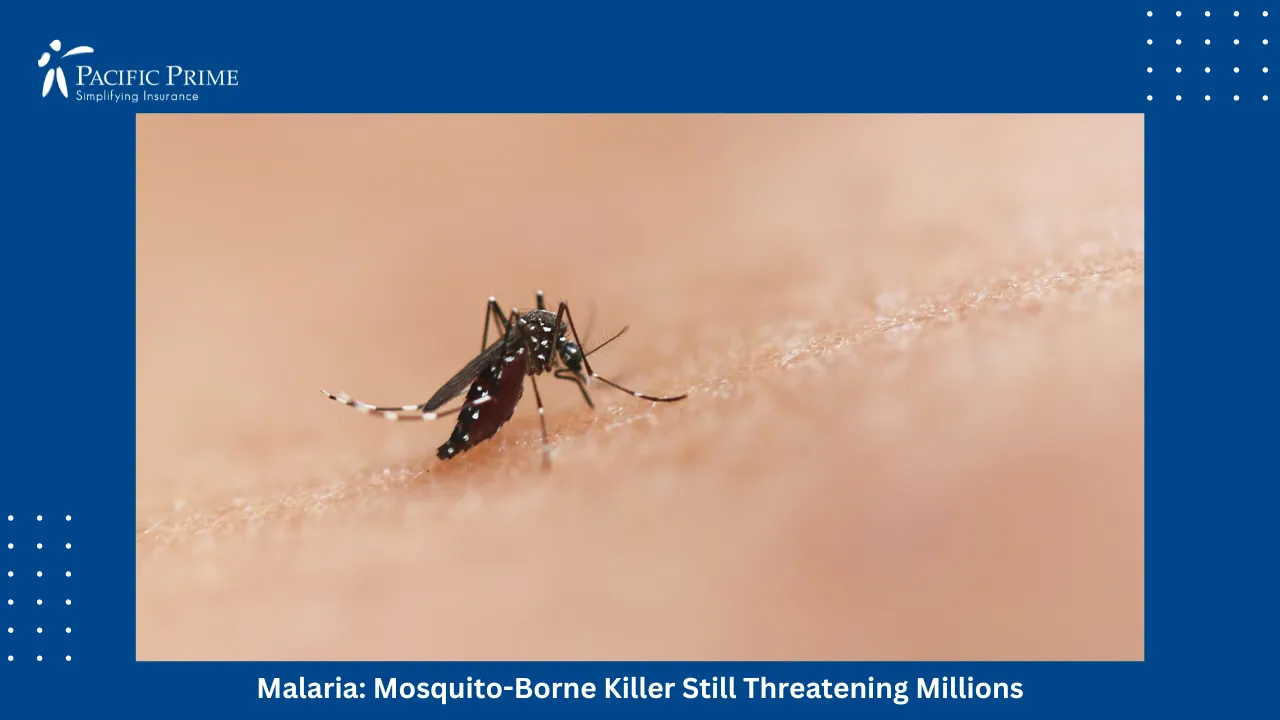
Malaria is endemic in over 100 countries, putting 40% of the world’s population at risk. The WHO estimates 300–500 million infections yearly, with around one million deaths, making it one of the most widespread global health threats.
Spread by mosquitoes carrying parasites, malaria is not transmitted directly between people. Its rapid spread makes outbreaks hard to control. Without prevention measures like repellents and nets, the disease continues to endanger millions worldwide.
Despite its deadly toll, malaria is often overlooked compared to other epidemics. Vaccines and preventive care remain vital for travelers and residents in tropical regions, where the disease still claims nearly a million lives each year.
5. Dengue Fever: Fast-Spreading Urban Mosquito Virus
Dengue fever, a relative of West Nile and yellow fever, spreads rapidly in urban areas via mosquitoes. Unlike many tropical viruses, it thrives in cities, making it a persistent threat across Asia, Africa, and the Americas.
Symptoms include high fever, vomiting, diarrhea, and dangerously low blood and plasma counts. While vaccines exist, treatment focuses on managing symptoms. Severe cases can be fatal, highlighting the importance of prevention and mosquito control.
First recorded in the 1780s, dengue caused simultaneous epidemics across continents. Outbreaks recur every five to six years as the virus mutates, challenging medical systems and keeping dengue among the fastest‑spreading mosquito‑borne diseases worldwide.
4. Spanish Flu & Modern Flu Pandemic Threats
The 1918 Spanish Flu killed 50 to 100 million people worldwide, striking young, healthy adults hardest. Caused by the H1N1 strain, it overwhelmed immune systems and became one of the deadliest epidemics of the 20th century.
Flu viruses remain dangerous because they mutate quickly. Seasonal strains can evolve into new pandemics within months, raising fears of another outbreak as severe as the Spanish Flu. Vaccination and monitoring remain vital defenses.
Modern threats like bird flu (H5N1) show influenza’s ongoing danger. Though fewer deaths have occurred, its high mortality rate proves flu viruses can still spark global crises, reminding us that influenza is far from a simple seasonal illness.
3. The Black Death: Catastrophic Medieval Plague
The Plague of Justinian in the sixth century killed millions across the Mediterranean, marking one of history’s first major epidemics. Later, the Black Death returned in the 14th century, wiping out huge portions of Europe’s population.
Between the 14th and 18th centuries, the Bubonic Plague claimed around 137 million lives. In some cities, up to half the population died, leaving ghost towns behind. Its devastating impact reshaped societies and remains one of history’s deadliest outbreaks.
Caused by fleas on rats, the plague produced blackened lymph nodes, giving rise to its name. Improved hygiene reduced its spread in Europe, but outbreaks continued in Asia into the 20th century, with mortality rates exceeding 75% in some regions.
2. Smallpox: Eradicated Virus With Historic Mass Deaths
Smallpox, a relative of measles and chickenpox, was one of history’s deadliest diseases. Spread through the air, it devastated entire societies before its eradication in 1979. Its legacy remains a warning of how fast viruses can overwhelm populations.
During the 20th century alone, smallpox killed 300–500 million people worldwide. Variola major carried a mortality rate of 30–35%, with outbreaks claiming hundreds of thousands of lives annually in Europe, earning its title as one of the worst diseases ever.
Large‑scale vaccination campaigns finally eliminated smallpox, making it the only human disease removed from nature. Though samples remain in labs, its extinction is a triumph of public health, proving the power of global cooperation against deadly viruses.
1. HIV/AIDS: Global Virus Still Impacting Millions
HIV/AIDS originated in Sub‑Saharan Africa and has spread worldwide. Over 33 million people live with HIV today, and more than 25 million have died since the 1980s, making it one of the most devastating modern pandemics.
The virus spreads through blood and sexual contact. HIV can remain hidden for years before progressing to AIDS, which severely weakens the immune system. Without treatment, life expectancy after AIDS diagnosis is less than a year.
HIV/AIDS is incurable, but antiviral therapy helps manage the disease. By attacking immune cells, HIV leaves victims vulnerable to deadly infections. Safe practices and awareness remain the best defenses against this ongoing global threat.

Conclusion
From the Black Death to HIV/AIDS, deadly diseases have shaped human history and continue to challenge global health. Each outbreak left lessons in prevention, hygiene, and medical innovation, reminding us how fragile societies can be against invisible threats.
Modern medicine has eradicated smallpox and reduced malaria deaths, yet viruses like Ebola and HIV remain active. Awareness, vaccination, and safe practices are vital tools to protect communities and travelers in our interconnected world.
By studying these terrifying illnesses, we gain insight into resilience and progress. History shows that vigilance and cooperation are humanity’s strongest defenses against future epidemics, ensuring we are better prepared for the next global challenge.
Read more:

At Pacific Prime, Grace focuses on simplifying complex concepts on international health insurance to make these topics easily accessible and understandable for our target audience. Being a Filipino born in Hong Kong, she understands the struggles of most immigrants and expats in finding the right insurance solutions while in another country. Her goal is to redefine most people’s perception of insurance, that it is an investment for one’s protection and future.
In her spare time, Grace is either at home or at Hong Kong Disneyland. She loves reading, watching movies and K-dramas, and attending dance classes.
- Pacific Cross Thailand Health Insurance for Expats and Travelers (2026) - August 5, 2026
- UAE Medical Insurance Prices for Expats - June 5, 2026
- How Canadians Can Find Jobs in Dubai - May 25, 2026

Comments
2 Comments
Are there specific travel insurance plans that provide comprehensive coverage for medical emergencies and diseases common in certain regions?
Yes, there are travel insurance plans specifically designed to cover medical emergencies and diseases that are common in certain regions. For instance, many comprehensive travel insurance policies include coverage for infectious diseases like malaria, dengue fever, and cholera, which are prevalent in tropical regions, as well as other travel-related health risks. Some plans also offer emergency medical evacuation coverage, which is crucial if you’re traveling to remote areas with limited healthcare facilities.
For more information on travel insurance options tailored to your destination, feel free to reach out through our Contact Us page for personalized advice and plan comparisons.
Ask a Question
We'll notify you
when our team replies!