
Health Insurance for German Expats in Canada in 2025
Most German expats get an international private health insurance plan while living in Canada. This is because even if they plan to use the public insurance scheme long term, there is a 3-month waiting period upon arrival before benefits begin, so expats supplement with private coverage.
Discover the world's top
health insurers.
Compare quotes with
a click of the button.
Are you a German moving to Canada soon? Need help finding the right health insurance for your needs?
This article will teach you how Canada’s healthcare system works, what private health insurance options you have, how much to expect to pay for insurance in Canada, tips to save money, and more.
We also recommend checking out the top international health insurance companies in Canada for expats to find the best plan available.
Overview of Canada’s Healthcare System for Expats
Canada’s healthcare system is publicly funded, but each province and territory manages its own plan, resulting in variations in coverage, eligibility, and waiting periods. German expats need to understand these differences to ensure they have seamless access to healthcare from arrival.
Here are some of the elements of Canada’s healthcare system:
- Provincial Administration: Unlike Germany’s statutory health insurance, Canada’s system is run provincially (e.g., OHIP in Ontario, MSP in British Columbia), meaning rules and services vary depending on location.
- Covered Services: Public plans generally cover hospital stays, physician visits, and essential diagnostics.
- Excluded Services: Prescription drugs outside hospitals, dental care, vision, and physiotherapy are typically not included in provincial coverage.
- Waiting Periods: New residents, including German expats, often face a waiting period of up to three months before coverage begins.
- Health Card: Upon enrollment, residents receive a provincial health card for accessing services without direct payments.
How Germany’s Healthcare System Compares to Canada’s
While both healthcare systems are publicly funded, Germany’s offers universal coverage through statutory health insurance (GKV) with broader included services, whereas Canada’s coverage varies by province and often excludes prescriptions, dental, and vision.
German expats will notice these key differences between Germany’s healthcare system and Canada’s provincial system:
- Centralized vs Provincial: Germany’s GKV provides nationwide, standardized coverage, while Canada’s healthcare is administered at the provincial level, causing differences in eligibility, waiting periods, and covered services.
- Scope of Coverage: In Germany, most medical treatments, specialist visits, and prescriptions are included under public insurance; in Canada, these are frequently excluded, requiring supplemental private plans.
- Waiting Times: Both systems can experience delays, but Canadian wait times for elective procedures and specialist care can be longer, particularly for newcomers without private insurance.
- Eligibility: German residents automatically receive public coverage, but in Canada, expats must establish residency and meet provincial criteria to qualify for a health card.
- Emergency Services: Both systems cover emergency care at the point of service, but German expats should note that coverage may not extend fully for interprovincial travel or international trips without additional insurance.
For German expats planning a move, these differences highlight the importance of private insurance to cover gaps and ensure continuity of care, particularly during the initial months after arrival in Canada.
Can German Expats Use Public Healthcare in Canada?
German expats can access Canada’s public healthcare, but eligibility depends on their residency status and provincial rules. Most provinces require newcomers to register as residents and may impose a waiting period of up to three months before coverage begins.
This creates a need for private insurance during that gap.
- Provincial Registration: German expats must apply for their provincial health plan (e.g., OHIP in Ontario, MSP in British Columbia) to receive a health card and access services.
- Waiting Periods: Many provinces impose a 1–3 month waiting period for new residents, so private coverage is essential immediately upon arrival.
- Residency Requirements: Permanent residents, work permit holders, or other approved statuses generally qualify for provincial coverage.
Private Canada Health Insurance Options for Germans
For German expats in Canada, private health insurance is often essential, especially during the provincial waiting period. It’s also required for services not covered by public plans, such as prescriptions, dental, vision, and specialist outpatient care.
On top of that, it also provides protection when traveling internationally.
Canadian local insurers offer basic supplemental coverage, but many expats prefer international providers like AXA, Allianz, and Cigna because they provide flexible plans with global coverage, medical evacuation, and optional add-ons tailored to expats.
German expats should also be aware of these facts when picking between a local or international plan:
- Visa and Travel Requirements: Germans traveling back to Europe or maintaining EU residency may need insurance that meets minimum coverage requirements, such as €30,000 for Schengen visas, which many international plans fulfill.
- Comprehensive Options: International plans often allow German expats to include outpatient treatment, dental, vision, maternity, and emergency evacuation as part of a modular plan.
The following table compares the common benefits of local private plans and international private plans.
| Feature | Local Canadian Plans | International Plans |
| Inpatient Coverage | Yes | Yes |
| Outpatient Coverage | Limited | Extensive, includes specialist visits |
| Dental & Vision | Optional, often limited | Customizable add-ons |
| Maternity | Rarely included | Often available as an add-on |
| Evacuation & Repatriation | Usually excluded | Typically included |
| Deductible Options | Fixed or low | Flexible |
Average Cost of Medical Insurance in Canada
For German expats, private health insurance in Canada typically costs between CAD 75 and 150 per month, depending on your age, location, and how comprehensive your plan is.
Here’s a breakdown of estimated monthly premium ranges:
| Plan Type | Cost (CAD) | Cost (EUR) |
| Basic Private Plan | CAD 75 – 150 | ~€50 – €100 |
| Comprehensive Plan (incl. outpatient, dental, prescriptions) | CAD 300 – 600 | ~€200 – €400 |
| Family‑Wide Plan | CAD 750 – 2,250+ | ~€500 – €1,500+ |
*Based on a conversion rate of 1 CAD ≈ 0.66 EUR — actual exchange rates may vary.
What Drives the Cost?
- Age & Health Status: Older expats or those with pre-existing conditions tend to pay more.
- Province: Your monthly premium depends heavily on which province you live in — for instance, Ontario rates are among the highest.
- Coverage Depth: Plans that include outpatient visits, prescriptions, dental, and vision cost significantly more than basic hospital-only plans.
- Deductibles & Co-Pays: Choosing a higher deductible or co-payments can reduce your premium, but increases your out-of-pocket expenses when you make claims.
Recommended Insurance Providers in Canada for Expats
Allianz Care, Cigna Global, April International, BlueCross BlueShield, and IMG are the top recommended international health insurance providers for German expatriates living in Canada.
Learn about their companies, experience, and core plans below.
Allianz Care in Canada
Allianz Care, founded in Munich in 1890, is one of Germany’s most respected and internationally recognized insurers. It serves over 120 million customers worldwide and offers some of the most comprehensive expatriate medical insurance plans on the market.
For German expats, Allianz provides seamless access to healthcare both in Germany and abroad. Its global expat plans include international hospital coverage, medical evacuation, preventive care, and mental health services.
Core Plans for Expats:
- Allianz Care Core
- Allianz Care Classic
- Allianz Care Premium
Cigna Global in Canada
Cigna Global is a U.S.-based health insurance leader with over 180 million customer relationships across more than 200 markets. The insurer is widely regarded among expats for its flexibility, global support infrastructure, and easy online policy management.
German expats in Canada appreciate Cigna’s customizable global health plans, which allow them to add modules like dental, vision, outpatient care, or maternity benefits.
Cigna’s strong international provider network and dedicated expat assistance make it one of the most convenient and reliable insurers for those frequently traveling between Europe and North America.
Core Plans for Expats:
- Cigna Global Silver
- Cigna Global Gold
- Cigna Global Platinum
April International in Canada
April International is a France-based global insurer that specializes in health coverage for expatriates. Operating in over 180 countries, it has built a reputation for simplicity, flexibility, and multilingual service, making it especially appealing for German expats adjusting to life in Canada.
April’s expat health plans are known for their customizable benefits and modern digital management tools. Policyholders can manage reimbursements through a mobile app, access telemedicine, and receive assistance in English and French.
The insurer also offers coverage that extends outside the EU, which is useful for Germans traveling between Europe and North America.
Core Plans for Expats:
- April MyHealth Essential
- April MyHealth Comfort
- April MyHealth Elite
BlueCross BlueShield in Canada
BlueCross BlueShield (formerly known as GeoBlue) has provided international health insurance since 1997 and supports coverage in over 180 countries with an elite provider network.
BlueCross BlueShield is ideal for German expats in Canada because it offers a truly global network (great for travel to Europe) and 24/7 multilingual support. They also offer direct-billing options, which are helpful when dealing with unfamiliar overseas medical systems.
Core plans:
- Xplorer Global Medical
- Voyager Travel Insurance
- Trekker Multi-Trip Travel Insurance
- Navigator (For Students & Academics)
IMG in Canada
IMG (International Medical Group) has been providing global health insurance solutions since 1990 and offers coverage in more than 190 countries, supported by an extensive worldwide medical network and multilingual assistance teams.
IMG is known for flexible, travel-friendly plans that suit both short- and long-term expats. IMG is ideal for German expats in Canada because it offers globally portable coverage, strong emergency benefits, and easy claims handling through its international platform.
Core Plans for Expats:
- Global Medical Insurance
- Global Mission Medical Insurance
- Patriot Travel Medical Insurance
- Student Health Advantage


Special Considerations for German Expats
German expats in Canada should consider their pre-existing conditions, visa and residency status, international travel habits, and lifestyle factors before they purchase a health insurance plan.
Here’s our list of the key topics German expats should consider:
- Transition from German Health Insurance: Unlike Germany’s universal statutory system (GKV), Canada’s public plans exclude many services, such as prescriptions, dental, vision, and outpatient care, making private insurance essential.
- Provincial Waiting Periods: Most provinces impose a waiting period of 1–3 months for new residents, leaving German expats at risk of uncovered medical costs if they rely solely on public coverage.
- Travel to Germany and Europe: Many German expats maintain ties to the EU, requiring international insurance coverage that meets requirements like the minimum €30,000 coverage for Schengen visas.
- Pre-Existing Conditions: Private insurers assess health history, and German expats should review coverage limitations for chronic conditions or recent treatments.
- Visa and Residency Implications: Your immigration status, whether it be permanent resident, work permit, or student, can influence eligibility for provincial coverage and may require proof of private insurance.
- Climate and Lifestyle Factors: Canada’s diverse climate and healthcare system differences may increase the likelihood of seasonal illnesses or injuries, so comprehensive coverage, including hospitalization and emergency evacuation, is recommended.
For German expats, planning ahead with a private or international health plan ensures peace of mind, compliance with travel requirements, and protection against unexpected medical costs during your stay in Canada.
How German Expats Apply for Health Insurance in Canada

German expats can apply for health insurance in Canada by determining their residency status, applying for their local province plan, securing a private insurance plan to cover their waiting period and gaps in coverage, and reviewing their plans annually.
German expats can follow these steps to ensure they have both public and private health coverage upon arriving in Canada. Completing each step carefully helps avoid gaps and ensures access to necessary care.
- Confirm Your Residency Status: Determine whether you are arriving as a permanent resident, work permit holder, or student, as eligibility for provincial coverage depends on your status.
- Apply for Provincial Health Insurance: Register for your province’s plan (e.g., OHIP in Ontario, MSP in British Columbia) as soon as possible to start the waiting period clock.
- Collect Required Documents: Prepare identification, proof of Canadian address, visa or immigration documents, and any relevant medical records from Germany.
- Secure Private Health Insurance: Purchase a private or international plan to cover the waiting period and services not included in the provincial system, such as dental, vision, and outpatient care.
- Select Coverage Level: Decide whether you need basic inpatient coverage, comprehensive plans including outpatient and dental care, or global coverage for travel between Canada and Europe.
- Compare Insurance Providers: Research both local and international insurers, including AXA, Allianz, and Cigna, to find the best plan for your health needs and budget.
- Finalize Your Policy: Complete your application, pay premiums, and retain all documentation, including policy numbers and emergency contact details.
- Review Annually: Update your coverage as your residency status, health, or travel habits change to ensure continued protection.
Tips for Foreigners to Save on Premiums in Canada
German nationals living in Canada can save money on health insurance premiums by bundling coverage, opting for a higher deductible, maintaining continuous coverage, and paying annually instead of monthly.
German expats can take these and other strategic steps to lower health insurance costs while maintaining adequate coverage. All our tips are tailored specifically to help Germans navigate Canadian insurance and save money.
- Compare Multiple Providers: Look at both local and international insurers, including AXA, Allianz, Cigna, and Pacific Prime, to find the most competitive rates.
- Opt for a Higher Deductible: Choosing a higher annual deductible can reduce monthly premiums if you are generally healthy and rarely need medical care.
- Bundle Coverage Options: Some insurers offer discounts when you combine outpatient, dental, vision, and evacuation coverage instead of purchasing each separately.
- Maintain Continuous Coverage: Avoid gaps in insurance when moving from Germany; lapses can increase premiums or limit coverage for pre-existing conditions.
- Consider Age and Health Status: Younger and healthier expats typically receive lower premiums; some insurers also offer wellness incentives.
- Choose Only Necessary Coverage: Exclude optional add-ons like maternity or specialized dental if they are not required to lower the cost.
- Pay Annually: Paying your premiums in a lump sum for the year can be cheaper than monthly installments.
- Use a Specialist Broker: Brokers experienced with German expats can help identify policies tailored to your needs and secure better rates.
- Avoid Overlapping Policies: If you already have coverage through a provincial plan or employer, tailor private insurance to fill gaps rather than duplicate services.
- Consider Travel Coverage Wisely: If you frequently travel back to Germany or Europe, select a plan with international coverage rather than separate travel insurance, which may be more costly.
Frequently Asked Questions
When can German expats enroll in Canada’s public healthcare?
Newcomers to Canada, including German expats, typically need to wait up to three months before their provincial public health coverage begins, but they can and should enroll before then.
Am I eligible for a provincial health card as a foreign national?
Foreign nationals in Canada, including work-permit and student visa holders from Germany, may be eligible for a provincial health card depending on their immigration status and how long they plan to reside in their province.
What healthcare services are not covered by Canada’s public system?
Public healthcare in Canada often does not cover prescription drugs (outside hospital), dental, vision, and many allied-health services, so private insurance or supplemental coverage is usually required for German expatriates.
Can I use private health insurance while waiting for public coverage?
Private or international health insurance is highly recommended for German expats in Canada to bridge the gap during the waiting period, protecting you against out-of-pocket costs for unexpected care.
Is emergency care covered in Canada before I get a health card?
All provinces will provide emergency medical care even if you don’t yet have a health card, but foreign nationals may be billed if they don’t have public or private coverage.
Conclusion: More Expat Resources
For German expats living in Canada, understanding how public and private healthcare work together is essential for staying protected from the moment you arrive.
By preparing for provincial waiting periods, choosing the right private insurance, and knowing how coverage differs from Germany’s system, you can ensure consistent access to care without unexpected costs.
To discuss your questions with an international health insurance expert, contact our team online or via a call to +852-3113-1331.
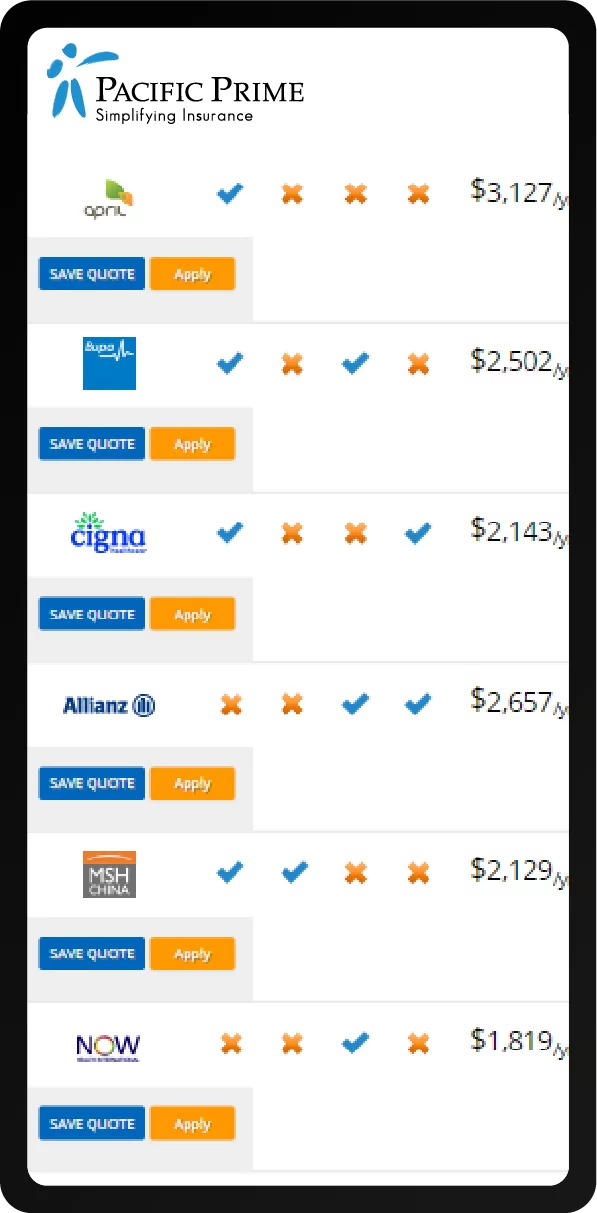
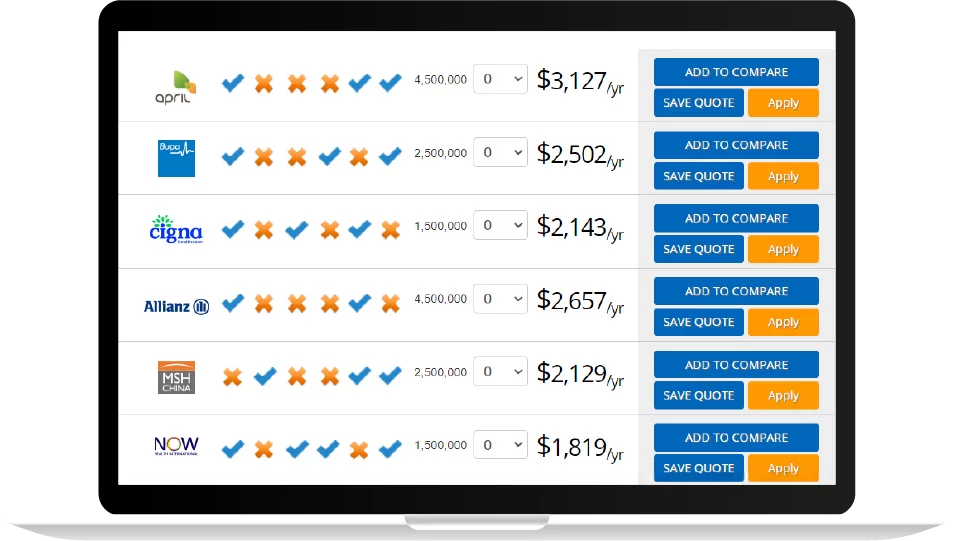
You can begin comparing quotes and plans from the top providers right away with our insurance quote generator that has over 50,000 plans in its database.
We recommend German expats explore the following resources before their move:
- Health Insurance for German Expats in Mexico
- Health Insurance for German Expats in Italy
- Canada Health Insurance for Expats
- Travel Insurance to Canada: Coverage and Options
- Health Canada: Part of the Health Portfolio

Serena earned her Bachelor’s Degree in Psychology from the University of British Columbia, Canada. As such, she is an avid advocate of mental health and is fascinated by all things psychology (especially if it’s cognitive psychology!).
Her previous work experience includes teaching toddlers to read, writing for a travel/wellness online magazine, and then a business news blog. These combined experiences give her the skills and insights she needs to explain complex ideas in a succinct way. Being the daughter of an immigrant and a traveler herself, she is passionate about educating expats and digital nomads on travel and international health insurance.
- Consequences of Living in Dubai Without Medical Insurance - May 11, 2026
- Dubai Average Rent Prices: Cost Guide for Expats - May 8, 2026
- Health Insurance for Brazil Retirees: Coverage Over-60s - April 21, 2026

Comments
Comments are disabled for this post
We'll notify you
when our team replies!