
A Complete Guide to Travel Insurance in Germany
Travel insurance is required for travelers entering Germany with a Schengen visa. Even for those who don’t need a visa, having travel insurance is strongly recommended to avoid high medical expenses or disruptions during the trip.
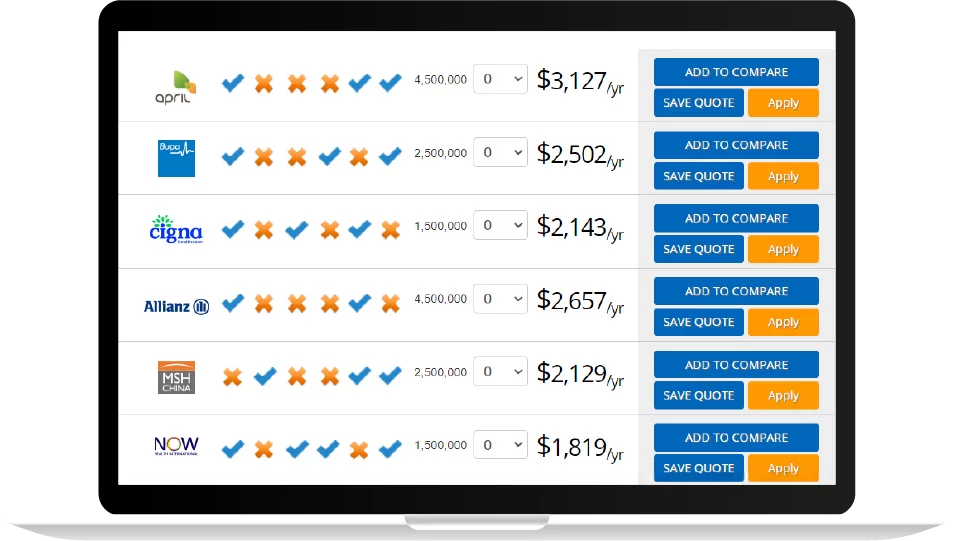
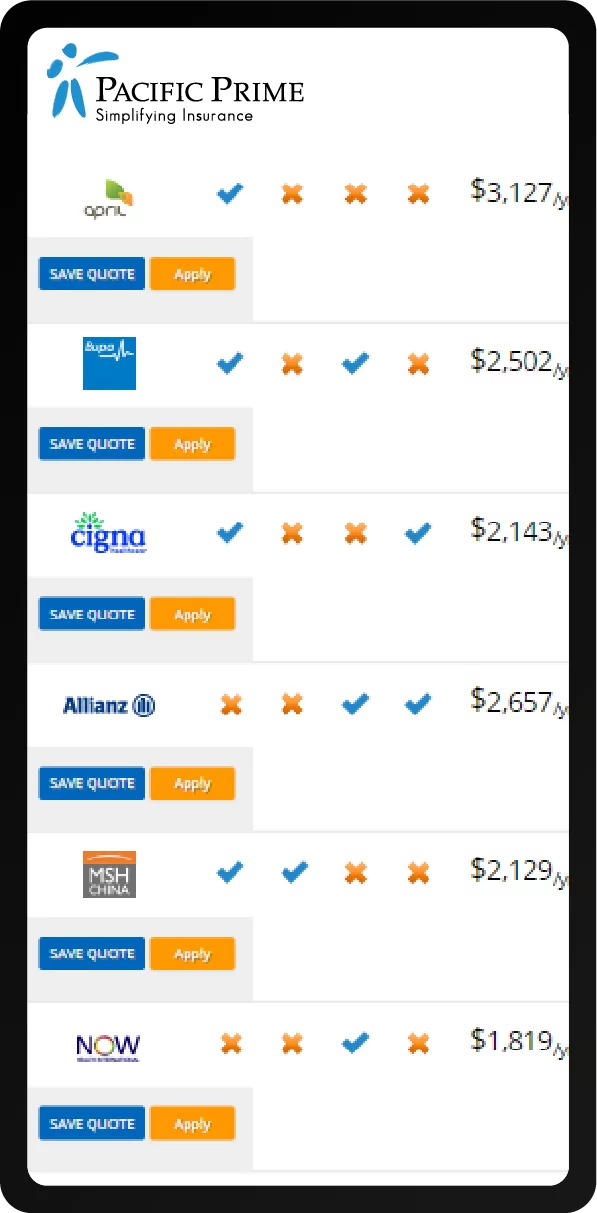
Discover the world's top
health insurers.
Compare quotes with
a click of the button.
Germany requires Schengen visa holders to have travel insurance with at least €30,000 of medical coverage, repatriation, and protection across all Schengen countries. Leading providers offering compliant plans include Allianz, April International, Blue Cross Blue Shield Global, and more.
This comprehensive guide outlines everything you need to know about travel insurance in Germany, compares top-rated providers, explains travel requirements, and offers safety and travel advice.
Germany Travel Insurance Requirements
Visitors from 103 different countries worldwide are required to have a Schengen visa to enter Germany—or any other country in the Schengen region. Those who require a Schengen visa must also purchase travel insurance that meets specific standards.
Short-term visitors who do not need a Schengen visa are not legally required to purchase travel insurance, though it is strongly encouraged.
Insurance for Long-Stay Visas in Germany
Travelers staying in Germany for longer than 90 days must secure a long-term (D) visa. Holders of this visa must have medical insurance that provides:
- Coverage of at least €30,000 per year per person
- Medical repatriation
- Coverage for death expenses, including repatriation of remains
- No gaps in coverage
- No deductible
Passports must also be valid for at least six months beyond the intended departure date.
Understanding Schengen Visa Rules for Germany
The Schengen area includes 29 European countries that allow free movement across borders. A Schengen visa permits visitors to travel in this zone for up to 90 days within a 180-day period.
Not all travelers staying in Germany for 90 days or less require a Schengen visa. Those who do include:
- Citizens of countries without a visa liberalisation agreement with the EU
- Citizens of countries with such agreements who were denied visa-free entry
Beginning mid-2025, Schengen-visa-exempt travelers will also need ETIAS authorization.
Those exempt from Schengen visa requirements include:
- Holders of diplomatic passports
- Holders of local border traffic permits (civilian air and sea crews from member states)
- Crew members on emergency and rescue missions
- School pupils
- Intergovernmental travel document holders
- Refugees
- Members of the armed forces
- NATO personnel
All travelers who require a Schengen visa must provide proof of travel insurance that meets the following requirements:
- Minimum coverage of €30,000 (USD $30,938.04) in medical costs
- Valid coverage across all Schengen countries
- Coverage for the entire duration of stay
- Medical repatriation (transportation back home for treatment)
- Emergency medical care and hospitalization
- Repatriation of remains (transportation of the body in the event of death)
Types of Travel Insurance for Germany
Visitors to Germany should consider traditional travel insurance, travel medical insurance, or even bundle both. Traditional travel insurance provides coverage for travel-related mishaps like lost luggage. Medical coverage helps cover the cost if you get sick or injured in Germany.
Standard Travel Insurance Coverage
Travel insurance eliminates the stress over missing a flight, losing your investments if a family emergency delays your trip, or losing luggage by providing financial backing for these types of accidents.
Common travel insurance coverage includes:
- Lost luggage and personal belongings
- Cancellation (cancel for any reason or general cancellation)
- Trip interruption
- Travel delay
- 24/7 customer service
Emergency Medical Insurance in Germany
Travel medical insurance provides basic coverage in case of a medical emergency in Germany. Germany does not offer free healthcare to travelers, so those without insurance coverage would have to pay for all medical treatment costs out of pocket.
Common benefits under travel medical insurance plans include:
- Hospitalization
- Outpatient treatment
- Medical evacuation
- Repatriation of remains
Single vs. Multi-Trip Insurance Options
Single-trip travel insurance is the most common coverage for Germany, and it is likely sufficient for brief visits to Germany. If you plan to travel to Germany multiple times or want to visit other destinations outside the country, consider multi-trip coverage.
Multi-trip coverage extends the benefits of your travel insurance plan across multiple trips within a designated amount of time, often up to one year. Not all providers offer multi-trip coverage, so discuss your options with a broker or provider before booking multiple trips.
Common Exclusions in Travel Insurance Plans
Travel insurance plans often exclude:
- Foreseen events (e.g., epidemics known before booking)
- Civil unrest, war, terrorism
- Pre-existing conditions (mental health, pregnancy, substance-related issues)
- Dental work (unless added as a rider)
- Non-emergency medical treatment
- Storms known before booking
- Fear of travel
- Dangerous activities (e.g., skydiving, mountain climbing)
How Much Does Travel Insurance Cost for Germany?
The length of your trip, your age, and the cost of your trip all contribute to the cost of your travel insurance, with most plans to Germany costing around 5–10% of your total trip cost. A basic plan for a one-week stay may be as little as USD $20, with more expensive plans costing over USD $200.
Top Travel Insurance Companies for Germany
The best travel insurance providers for travelers in Germany include Allianz, April International, AXA, Blue Cross Blue Shield Global, and MSH International. Let’s take a closer look at each of these providers.
Allianz
Allianz Travel offers Schengen-compliant insurance beyond their other international travel insurance plans to offer you a once-in-a-lifetime Germany vacation. Their single-trip travel insurance options include the following plans:
- OneTrip Prime: trip cancellation up to USD $100,000; trip interruption up to USD $150,000; emergency medical up to USD $50,000; baggage loss or damage up to $1,000; and much more.
- OneTrip Basic: trip cancellation up to USD $10,000; trip interruption up to USD $10,000; emergency medical up to USD $10,000; baggage loss or damage up to USD $500; and much more.
- OneTrip Premier: trip cancellation up to USD $200,000; trip interruption up to USD $300,000; emergency medical up to USD $75,000; baggage loss or damage up to USD $2,000; and much more.
- OneTrip Emergency Medical: emergency medical up to USD $50,000; emergency medical transportation up to USD $250,000; travel accident coverage up to USD $10,000; and much more.
- OneTrip Cancellation Plus: trip cancellation up to USD $5,000; trip interruption up to USD $5,000; travel delay up to USD $150, plus 24-hour hotline assistance.
Their multi-trip plans include:
- AllTrips Basic: emergency medical up to USD $20,000; emergency medical transportation up to USD $100,000; baggage loss or damage up to USD $1,000; travel delay up to USD $600; and much more.
- AllTrips Premier: trip cancellation and trip interruption with options from USD $2,000–$15,000; emergency medical up to USD $50,000; emergency medical transportation up to USD $500,000; baggage loss or damage up to USD $2,000; travel delay up to USD $1,500; and much more.
- AllTrips Executive: trip cancellation and trip interruption with options from USD $5,000–$10,000; emergency medical up to USD $50,000; emergency medical transportation up to USD $250,000; baggage loss or damage up to USD $1,000; travel delay up to USD $1,600; cover for business equipment; and more.
- AllTrips Prime: trip cancellation up to USD $3,000; trip interruption up to USD $3,000; emergency medical up to USD $20,000; emergency medical transportation up to USD $100,000; baggage loss or damage up to USD $1,000; travel delay up to USD $600; and much more.
Their Schengen-compliant plans offer benefits for:
- Up to USD $50,000 in emergency medical expenses in case of accident, sickness, illness or injury
- Up to USD $200 if your baggage is delayed
- Up to USD $2,000 in case of trip cancellation
April International Travel Insurance
April International offers professional, reliable coverage—and has done so for over 30 years, making them an excellent partner to insure your Germany vacation. They offer options to cover pre-existing conditions, and they have a ready-to-go Schengen visa insurance plan for your ease.
April International’s Schengen-compliant plan comes with an insurance certificate right away when applying online, which is required for your Schengen visa application.
Additional benefits of choosing April International include:
- Coverage for as little as one month and up to one year
- Access to private medical facilities of your choice across 2 million providers
- Local teams and experts offering assistance in multiple languages
- Coverage in over 180 countries
AXA
AXA offers top-rated cruise, Schengen, domestic, and international insurance plans for all types of travelers to Germany. Their international travel insurance plans come in three tiers: Silver, Gold, and Platinum, with their Gold and Platinum plans being Schengen eligible.
Some benefits across all international plans include:
- Trip cancellation
- Trip interruption
- Trip delay
- Missed connection
- Emergency accident and sickness medical expenses
- Emergency evacuation
- Accidental death and dismemberment
- Baggage delay
- Baggage and personal effects
Travelers who choose the Gold plan can expect coverage for:
- Trip cancellation coverage up to 100% of the trip cost
- Trip interruption coverage up to 150% of trip cost
- Trip delay coverage up to $200 per day with a $1,000 maximum
- Missed connection coverage up to $1,000
- Emergency accident and sickness medical expenses up to $100,000
- Emergency medical evacuation up to $500,000
- Non-medical emergency evacuation up to $50,000
- Accidental death and dismemberment up to $25,000
- Common carrier accidental death and dismemberment up to $50,000
- Baggage delay up to $300
- Baggage and personal effects up to $1,500
Travelers who choose the Platinum plan can expect coverage for:
- Trip cancellation coverage up to 100% of trip cost
- Trip interruption coverage up to 150% of trip cost
- Trip delay coverage up to $300/day for a $1,250 maximum
- Missed connection coverage up to $1,500
- Emergency accident and sickness medical expenses up to $250,000
- Emergency medical evacuation up to $1,000,000
- Non-medical emergency evacuation up to $100,000
- Accidental death and dismemberment up to $50,000
- Common carrier accidental death and dismemberment up to $100,000
- Baggage delay up to $600
- Baggage and personal effects up to $3,000
- Lost skier days up to $25 per day
- Lost golf rounds up to $500
- Sports equipment rental up to $1,000
Optional benefits include rental car coverage, cancel for any reason coverage, and more.
Blue Cross Blue Shield Global
United States citizens planning their German getaway should consider Blue Cross Blue Shield Global’s Voyager and Trekker plans. The BCBS Voyager plan covers single trips up to 182 days while the Trekker plan offers coverage for an unlimited number of trips within a one-year policy.
Blue Cross Blue Shield Global offers Schengen-compliant plans. Compare nonmedical benefits across the Voyager and Trekker plans below:
Blue Cross Blue Shield Global Plans Non-medical Benefits Comparison (USD)
| Voyager (Single Trip) | Trekker (Multiple Trips) | |
| Accidental Death & Dismemberment Maximum Benefit | $50,000 | $25,000 |
| Emergency Family Travel Arrangements | $2,500 for one economy round-trip plane ticket | $2,500 for one economy round-trip plane ticket |
| Hazardous Activities (downhill skiing or scuba diving within certain parameters) | $25,000 maximum claim amount | $25,000 maximum claim amount |
| Post-Departure Trip Interruption Transportation | $1,000 maximum benefit amount | Not covered |
| Post-Departure Trip Interruption Quarantine Coverage | Lodging & incidentals of $50 per day, 10 days maximum | Not covered |
| Lost Baggage & Personal Effects Coverage | Maximum benefit of $500 per trip, $100 per bag/item | Maximum benefit of $500 per trip, $100 per bag/item |
| Repatriation of Remains | $25,000 maximum benefit | $25,000 maximum benefit |
MSH International
MSH International is a European-based partner offering some of the best travel insurance for visitors to Germany, with both long-term and short-term medical plans available.
Their short-term international travel insurance covers basic medical emergencies, while their international health insurance policy offers customizable benefits for high levels of medical coverage, including maternity or dental care.
Their Start’Expat plan is their basic short-term plan, and you can compare benefits within that plan below.
| Start’Expat Healthcare Benefits | |
| Non-medical Travel Benefit | Coverage Limit |
| Flight Delay Leading to a Missed Connection | Payment of a fixed amount of USD $320 |
| (only for technical reasons or due to weather conditions) | |
| Theft, Total or Partial Destruction, or Loss of Luggage During Transportation by a Carrier | USD $2,160 ($27 deductible/suitcase) limited to 50% for valuables |
| Medical or Surgical Hospitalization | 100% of costs |
| Consultations with General Practitioners and Specialists | 100% of costs (up to USD $86 per procedure beyond 2 consultations) |
| Pharmaceutical Costs | USD $3,200 |
Why Buying Travel Insurance Makes Sense
Travel insurance is always recommended since the cost of unexpected accidents can far exceed the cost of travel insurance. Without insurance coverage, vacationers in Germany must pay out of pocket for any medical treatment they receive, and payment without insurance can be financially overwhelming.
Traditional travel insurance also helps you vacation abroad without worry because you know that you have the financial backing for your trip needs and any accidents that arise—allowing you to enjoy your trip even more.


Steps to Purchase Travel Insurance for Germany
To purchase a comprehensive travel insurance plan, follow each of the steps below:
- Consider your needs: Do you need to meet certain visa requirements? Will you travel for more than 90 days? How extensive is your budget? Do you want traditional travel insurance as well? How much medical coverage do you need?
- Research plans: Browse top insurance providers or seek out help from an insurance broker to find the best plan for your needs and budget.
- Compare quotes: Whether you research on your own or utilize professional help, compare quotes from each provider. For a simple solution, check out our free quote tool.
- Apply for coverage: Applying for coverage as soon as possible. This ensures eligibility for top benefits. Be prepared to offer the destination and length of your trip, health information like age or pre-existing conditions, and planned trip activities.
Other Insurance Options for Germany Travelers
You may want to purchase international health insurance or short-term insurance if you plan to travel extensively or if you need extra medical coverage beyond what is commonly available in travel medical insurance plans.
Remember that if you have a European Health Insurance card (or Global Health Insurance card, for UK citizens), you may also be eligible for emergency medical care in Germany.
Using the European Health Insurance Card in Germany
A European Health Insurance Card guarantees that you can receive medical treatment in any EU member states, Iceland, Liechtenstein, Norway, Switzerland, and the United Kingdom as though they were citizens.
That means that travelers in Germany who have an EHIC card can receive care at public (or state) medical facilities and while paying the same as German citizens. This can significantly decrease the cost of medical care. Note that this coverage is only for unanticipated medical emergencies.
Global Health Plans for Germany Visitors and Expats
International health insurance provides the most comprehensive coverage for individuals living away from their home country or for those traveling widely. These plans offer expats a wide selection of globally portable benefits that can be customized to their lifestyle.
Short-Term Medical Insurance Plans for Germany
Most short-term insurance covers preventative care, emergency care, urgent care, and medical tests, and some offer discounts on medications. They are not as comprehensive as international plans and don’t often cover pre-existing conditions, mental health services, maternity care, or substance abuse.
Key Travel Tips for Visiting Germany

Increase caution during travel in Germany due to terrorism and civil unrest, even though Germany is generally considered a safe destination to visit. Beyond general safety guidelines, make sure to follow the guidance below for a wonderful, safe trip:
- Carry your passport at all times: Remember that it’s illegal to be without identification in Germany, so always carry your passport.
- Purchase train tickets ahead: Sparpreis are the most cost-effective train fares, and while they are made available far in advance, they often sell out quickly. Especially if you plan to travel during peak tourist season, buy your tickets far in advance.
- Purchase a universal power adapter: Germany uses two plug types—C and F—and operates on a 230V supply voltage and 50Hz.
- Know German emergency numbers: Call 112 for ambulance and medical emergency services, from fires to accidents.
- Maintain up-to-date vaccines: The CDC suggests that all travelers be up to date on routine vaccines such as chicken pox, flu, measles, polio, and shingles as well as other vaccines like COVID-19, hepatitis A and B, and rabies.
Benefits of Using a Broker for Germany Insurance
Using a broker helps you to secure the best travel insurance for your needs in Germany. Brokers can save you time by gathering and presenting only the plans that fit your budget and specifications, and they can save you money by using their unbiased expertise to find the best deals.
Brokers act as intermediaries between you and insurance providers: they use their expertise to scout out the best plans and to even help you submit claims once you’ve picked a plan. Let Pacific Prime help you find the right Germany insurance plan for your budget and needs. Contact us to learn more.
Frequently Asked Questions
Is travel insurance required for Germany?
You must only purchase travel insurance for Germany if you also require a Schengen visa to enter the country. If you visit Germany for more than 90 days, you must have sufficient medical coverage, which you may purchase through travel medical insurance or international health insurance.
When is the best time to buy travel insurance?
Purchase travel insurance as soon as you know your trip itinerary. Purchasing travel insurance right away makes it more likely that you will qualify for top benefits, like cancel for any reason coverage.
Is travel in Germany safe?
Travel in Germany is considered quite safe, though terrorist attacks are possible. Travelers should follow all normal safety precautions, such as keeping personal items close to your body, avoiding public demonstrations, and avoiding solo travel at night.
What is a Schengen visa?
A Schengen visa is a short-term permit that allows travelers to visit any country within the Schengen area (mostly EU countries) for 90 days within a 180-day period. This visa is required for citizens of some countries.
Conclusion: Find the Perfect Coverage for Germany
Consider purchasing comprehensive travel insurance or international health insurance for your trip to Germany to ensure that any accidents you may have during your trip are covered. Those who are required to use a Schengen visa must purchase travel insurance to enter Germany.
Pacific Prime has over 20 years of experience, and we are ready to help you find the perfect travel insurance plan for your budget and needs as an expat or visitor to Germany.
Our experts can provide free quotations, leverage our partnerships with all major insurers, and scour our extensive portfolio to offer you the best plans. Try our free quote tool or contact us today to prepare for your once-in-a-lifetime getaway to Germany!
If you’re considering visiting other destinations in Europe, check out our articles on the best travel insurance plans for a trip to Spain. Also, take a peek at our guide comparing the best travel insurance in the UAE to get you ready for another dream vacation.

At Pacific Prime, Grace focuses on simplifying complex concepts on international health insurance to make these topics easily accessible and understandable for our target audience. Being a Filipino born in Hong Kong, she understands the struggles of most immigrants and expats in finding the right insurance solutions while in another country. Her goal is to redefine most people’s perception of insurance, that it is an investment for one’s protection and future.
In her spare time, Grace is either at home or at Hong Kong Disneyland. She loves reading, watching movies and K-dramas, and attending dance classes.
- UAE Medical Insurance Prices for Expats - June 5, 2026
- How Canadians Can Find Jobs in Dubai - May 25, 2026
- Health Insurance for UK Expats Living Abroad - May 12, 2026

Comments
Comments are disabled for this post
We'll notify you
when our team replies!