
Living in Sweden in 2026: A Practical Guide for Expats
Expats planning their move to Sweden should learn about the cost of living, average salaries, healthcare, cultural differences, and the right visas for their intended stay. Knowing this information ahead of time will make it much easier to navigate your new journey.
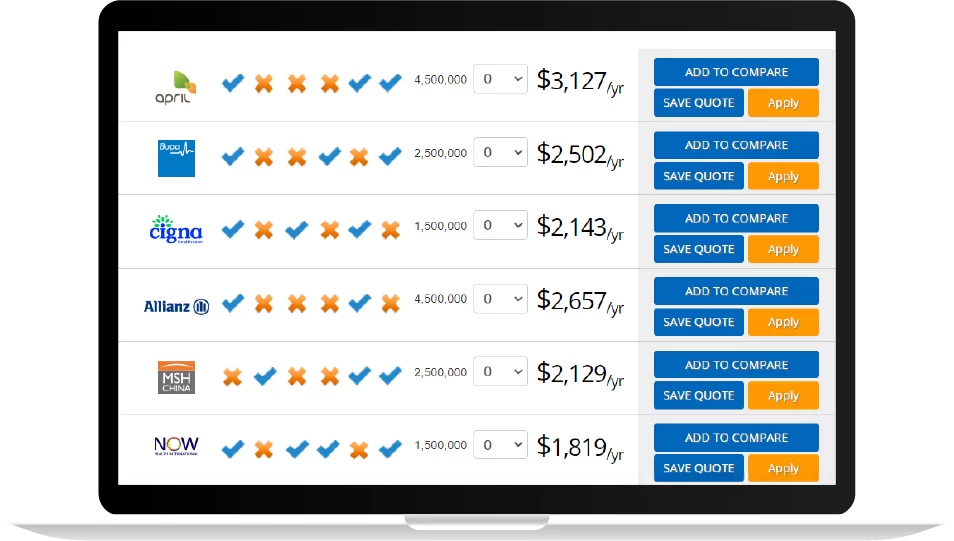
Discover the world's top
health insurers.
Compare quotes with
a click of the button.
Sweden ranks above average in terms of jobs offered, earnings made, work-life balance, housing accommodations, and safety. So, no wonder it is such an appealing place to live abroad for expats and retirees!
Are you considering living abroad in Sweden? This guide from Pacific Prime will explain all you need to know about living in Sweden as an expat, helping you determine if you can afford living in Sweden and if you want the lifestyle of the Swedes.
Need to Know When Living Abroad in Sweden
Before living abroad, you’ll want to know the cost of living in Sweden, if it is expensive to live in Sweden, and what it’s like as an American there. It’s vital that before you make such a big decision, such as moving across the world, you know if you can afford it.
It’s also well worth your time to check out our general guide about all you need to know before living abroad.
If at the end of this article you decide Sweden is the right place for you, you won’t want to miss our list of the best places to live in Sweden. If you aren’t sure, you can check out other great places to live in Europe.
Cost of Living in Sweden vs. the USA
The cost of living in Sweden is 27% less expensive than in the USA. To help us understand if you can afford to live there, we’ll break down the costs of housing expenses in Sweden, food expenses in Sweden, transportation in Sweden, and average salaries in Sweden.
Our statistics come from LivingCost and are estimates. We acknowledge that these prices are always in flux and are intended to give you a general idea, not set amounts.
Housing Expenses in Sweden vs. the USA
For one person to rent housing, it costs on average USD $937 a month in Sweden, compared to $1593 a month in the U.S. For a family to rent, it costs on average $1,570 per month in Sweden vs. USD $2,641 per month in the USA. These fluctuate depending on if you’re downtown or in a suburb.
Food Expenses in Sweden vs. the USA
Average monthly food expenses cost USD $604 in Sweden vs. USD $654 in the USA. In general, buying groceries in Sweden is cheaper than in the United States, and eating out is also more affordable in Sweden.
Here’s a breakdown of some average grocery expenses:
- 1 loaf of bread: USD $3.05 in Sweden vs. USD $3.61 in the USA
- 12 eggs: USD $4.84 in Sweden vs. USD $4.83 in the USA
- 2.2 lb of cheese: USD $13.40 in Sweden vs. USD $13.50 in the USA
- 2.2 lb of bananas: USD $2.86 in Sweden vs. USD $1.86 in the USA
- 2.2 lb of apples: USD $3.44 in Sweden vs. USD $5.09 in the USA
Here’s a breakdown of average restaurant expenses:
- Lunch: USD $14.60 in Sweden vs. USD $19.70 in the USA
- Dinner: USD $83.10 in Sweden vs. $78.40 in the USA
- Fast Food Meal: USD $11.90 in Sweden vs. USD $11.60 in the USA
Transportation Expenses in Sweden vs. the USA
When it comes to transportation expenses, Sweden is undoubtedly more expensive than the United States. On average, monthly transportation costs USD $132 in Sweden vs. USD $101 in the USA.
Here are some estimates of transportation expenses:
- Local Transport Ticket: USD $3.98 in Sweden vs. USD $2.34 in the USA
- Monthly Transport Ticket: USD $92.30 in Sweden vs. USD $70.60 in the USA
- Taxi: USD $26 in Sweden vs. USD $17.90 in the USA
- ¼ Gallon of Gas: USD $1.91 in Sweden vs. USD $0.91 in the USA
Salaries in Sweden vs. the USA
In 2026, the average annual salary in Sweden is SEK 539,700 (USD $57,669) and the average annual salary in the U.S. is USD $63,795. While these numbers vary greatly, it’s important to remember they are only averages and that the cost of living in Sweden is lower than in the USA.
Is it Expensive to Live in Sweden?
While the U.S. has been ranked the 10th most expensive country in the world, Sweden is ranked 24th most expensive, which means if you’re moving from the USA, Sweden will feel much less expensive. When compared to other European countries, however, Sweden is considered expensive.
Healthcare is one of the most important factors that affect living expenses.
Healthcare in Sweden
The public healthcare systems in Sweden rank in the top five around the world. Their systems are decentralized, giving responsibility to the regional councils and local municipalities. While healthcare is not free in Sweden, it is very reasonable compared to other European countries.
In 2022, Sweden’s Karolinska University Hospital ranked as the 9th best hospital across the world.
If you plan to move to Sweden for more than a year, you will need a personnummer, a Swedish tax identification number, so that you can join the public health scheme. There are small copays required at doctor appointments.
You can always consider getting a private health insurance plan in Sweden. Here at Pacific Prime, we have excellent international plans you can choose from to meet your needs.
Living in Sweden as an American
If you’re an American planning to live in Sweden, you may encounter some cultural differences that could be surprising and require some adjustment. Swedes are generally casual and relaxed about life (but not when it comes to punctuality!).
Here are some Swedish cultural differences that may be new to an American:
- Swedes drink coffee like camels drink water.
- Customers at pharmacies and stores are frequently given a numbered ticket and served in the order of their queue number.
- Many Swedes speak English very well, but it is always best to learn Swedish to fully integrate into your new home
- It’s common for fathers to work as equal partners in raising children and stay home with the kids.
- Swedes often drop titles and refer to everyone by their first name, expecting the same in return (even doctors!).
- Expect many businesses to close in July because many Swedes use their 25 days of paid time off in the hottest month of the year.
- You’ll take off your shoes every time you enter a private residence.
- Swedes are very punctual, so be on time!
- Stores will charge you for their plastic bags, so save your bags and reuse them.
- Business casual in Sweden usually means jeans and a long-sleeved shirt.
Retiring in Sweden from the USA
To retire in Sweden from the US, you will need to apply for a temporary residence permit, since there isn’t a specific retirement visa in Sweden for citizens from non-EU countries. You may apply for a permit either in the USA or in Sweden.
If you have no direct relation to Sweden, such as a relative, friend, or partner, or have a business assignment in Sweden, you may stay up to six months as a tourist and may not settle or work in the country.
What you’ll need to apply for a residence permit:
- Valid passport
- Medical travel insurance covering at least EUR 30,000, valid in all Schengen countries for your entire planned stay
- Documents showing that you have a means of financial maintenance for at least SEK 450 (USD $48) a day for your entire planned stay
Moving to Sweden from the USA
To move to Sweden from the USA, you can either apply for a residence permit or a work permit as an employee or self-employed person in Sweden. To be granted a work permit, your employment must meet all the requirements.
To apply for a residence permit, you will need:
- Valid passport
- Employment contract signed by you and your employer
- Employer-provided health insurance, life insurance, industrial injuries, and occupational insurance
- A monthly salary or wages totalling at least 80% of the median salary published by Statistics Sweden (SCB)
- A salary and working conditions that are on par with Swedish collective agreements in your profession
Note that all documents must be translated into Swedish or English and your translated documents must be certified. You must also include a copy of the documents in their original language.
To become a Swedish citizen, you must be 18 or older and live in Sweden for 5 years or have permanent residence. The tax burden in Sweden is quite high, so you’ll want to consult a financial advisor about how to avoid being taxed in both the United States and Sweden.
Frequently Asked Questions
What is the 5-year rule in Sweden?
The 5-year rule in Sweden generally refers to the time required to qualify for permanent residency. Non-EU residents who live and work in Sweden legally for five continuous years may apply for permanent residence if they meet income, employment, and permit requirements.
Is SEK 50,000 a good salary in Sweden?
SEK 50,000 (USD $5,300) per month is considered a strong salary in Sweden. It is above the national average and allows for a comfortable lifestyle in most cities, though living costs are higher in places like Stockholm.
Is Sweden friendly to expats?
Sweden is generally very friendly to expats. The country has strong English proficiency, a high quality of life, and inclusive social systems, though newcomers may find it takes time to build close social circles with locals if they don’t speak Swedish.
Conclusion
Now that we have discussed the cost of living in Sweden, learned that it is expensive to live there (but cheaper than in the USA), explored some cultural differences between the two nations, and reviewed the process of retiring and moving to Sweden, you are ready to get started!
If, however, you feel unsure if Sweden is the right place for you to move, consider living abroad in Ireland or the UK.
Wherever you end up deciding to go, it is always wise to secure health insurance plans abroad so you can have the coverage you need to take care of yourself and your family.
Wishing you a grand adventure!

With her background as an avid traveler and as an exchange student in Spain, Palida values the benefits of insurance and understands the frustrations that may come with making the best decisions for your health and safety in an unknown environment. Here at Pacific Prime, she aspires to create content that will help expats and travelers understand international health insurance with ease.
In her spare time, Palida enjoys reading short stories as much as binging on sitcoms. She is also a self-proclaimed "foodie" with the goal of trying as many cuisines from all over the world as possible. Combining her passion for writing with her love for food, she is an aspiring Google Local Guide reviewer.
- Pediatric Healthcare in Mexico for Expat Families (2026 Guide) - August 25, 2026
- LUMA Thailand Insurance Guide for Expats in 2026 - July 29, 2026
- GIG Gulf Insurance for Dubai Expats in 2026 - April 27, 2026
Comments
2 Comments
What are the best ways to build a professional network in Sweden, especially for those seeking job opportunities or career advancement?
Building a professional network in Sweden as an expat involves a combination of attending industry events, joining professional organizations, and leveraging platforms like LinkedIn. Networking is often informal in Sweden, so participating in “fika” (coffee breaks) or socializing through professional meetups can be highly effective. Additionally, learning Swedish and engaging in community or local interest groups can help you establish meaningful connections.
If you’re looking for tailored support or advice on living and working abroad, feel free to reach out to us via our Contact Us page.
Leave a Comment