
Japan’s Universal Health Insurance System Explained for Foreigners
Japan’s universal health insurance system consists of three different insurance schemes: National Health Insurance (NHI), employment-based health insurance, and health insurance for the advanced elderly. Enrollment in the system is mandatory for foreigners residing in Japan.
Discover the world's top
health insurers.
Compare quotes with
a click of the button.
Are you an expat living abroad in Japan? You will need to understand how the universal health insurance system works to stay legally compliant in the country. The insurance experts at Pacific Prime have created this guide to help you understand health insurance in Japan.
We will share an overview of the three different schemes available to foreigners in Japan. We will explain their benefits, how to apply, and other relevant information. Keep reading to find out more!
The Universal Health Insurance System in Japan
The universal health insurance system in Japan provides coverage to all citizens and foreigners and is funded mostly through individual contributions and taxes. Japan has had universal healthcare coverage since 1961, as it is believed that citizens have a right to health.
The universal health insurance system offers both citizens and noncitizens access to high-quality medical facilities. Enrollment in the universal health insurance system is mandatory.
The three health insurance schemes included in this system are:
- National Health Insurance (NHI): Provides coverage to the self-employed, the unemployed, those who work less than 30 hours a week, international students, and retired residents aged 75 or younger.
- Employment-based health insurance: Provides coverage for employees, where employers and employees share mandatory contributions.
- Health insurance for the advanced elderly: Provides coverage for individuals who are aged 75 and over.
Citizens and noncitizens enrolled in one of these health insurance plans will pay a monthly premium and a copayment on whatever medical service they receive. The rate of health insurance premiums will vary between plans.
Copayments are the same across the different health insurance plans, with cost-sharing varying according to age. Young children and the elderly will pay less in copayments. There are also monthly maximum limits for out-of-pocket costs for insured members.
Once members have hit their monthly maximum limit for out-of-pocket costs, they will be reimbursed or not charged for further services for the rest of the month. This maximum limit is calculated based on income.
National Health Insurance in Japan
The National Health Insurance scheme is available for expats who are living in Japan for longer than three months and fit one or more of the following criteria:
- Self-employed
- Unemployed
- Work less than 30 hours a week
- International students
- Retired and aged 75 or younger
The National Health Insurance covers a variety of medical expenses in Japan, including most inpatient services and dental care. They do not cover vaccines or immunizations. Refer to the table below for more information on what is and is not covered.
| National Health Insurance Coverage | |
| Medicines and medicinal supplies | Covered |
| Treatments, surgeries, and other procedures | Covered |
| Vaccines and immunizations | Not covered |
| Hospitalization | Covered |
| Cosmetic procedures and orthodontics | Not covered |
| Nursing care and in-home nursing care | Covered |
| Physicals and medical check-ups for members under 40 | Not covered |
NHI members aged 40 to 74 are eligible for NHI vouchers for medical check-ups to screen for diabetes, high blood pressure, and other illnesses. NHI members will also receive a lump-sum benefit of JPY 500,000 (around USD $3,246) for pregnancy and childbirth, as well as for stillbirth or miscarriage.
An additional benefit is a sum paid toward funeral expenses if an insured member dies. The sum paid per member is JPY 70,000 (around USD $454). This benefit will not be paid if the insured has another insurance policy that covers funeral expenses.
To enroll in the National Health Insurance, foreigners will need to visit their local city or ward office within 14 days of moving to their residence. Take all necessary documents with you, like your Residence Card, passport, proof of address, financial documents, and so on.
The exact documents you will need may vary depending on your situation and the municipality, so expats are recommended to inquire with the relevant service counter for details. You will also need to fill out an application at the service counter.

Employer-Based Health Insurance in Japan
Employer-based health insurance is provided for individuals employed by large- to small-sized companies. Foreigners with a valid work visa are eligible for this health insurance. Employers and employees share mandatory contributions for this insurance.
Government subsidies for employer-based health insurance depend on the size of the company. The employee contributions are taken from their monthly paychecks. Benefits may vary depending on your employer and company, but generally include the following:
- Hospitalization coverage
- Outpatient coverage
- Mental health coverage
- Home nursing coverage
- Dental coverage
Foreigners working in Japan will be automatically enrolled in the employer-based health insurance scheme through their employer.
Health Insurance for the Advanced Elderly
Health insurance for the advanced elderly requires all individuals aged 75 and over to enroll. This includes individuals who are employed and dependents. The health insurance for the elderly scheme is overseen at the prefectural and municipal levels.
Individuals with this health insurance plan pay a premium deducted from their pensions and will pay a 10% copayment for their medical services. The health insurance for the elderly scheme is supported by government subsidies. Individuals are automatically enrolled in this scheme when they turn 75.
Benefits included in this scheme are the same as the others, providing benefits like:
- Hospitalization coverage
- Outpatient coverage
- Mental health coverage
- Home nursing coverage
- Dental coverage
While this insurance scheme is primarily made up of those aged 75 and older, individuals with certain disabilities can enroll between the ages of 65 and 74 years.

How Expats Can Access Universal Healthcare in Japan
Expats can access universal healthcare in Japan by enrolling in one of the three public health insurance schemes. Once they have been enrolled, they can use their My Number Card to serve as their key to accessing medical services.
When visiting a clinic or hospital in Japan, you will be required to present your My Number Card before you can receive medical services. A physical My Number Card is the most common card type, but Japan has begun rolling out digital copies.
Seeing a Doctor in Japan
Expats can see a doctor in Japan by visiting a local clinic or hospital. General practitioners are not common in Japan, as there is no referral system necessary for seeing specialists. Expats can book an appointment directly with the specialist they want to see.
Primary care is usually provided at clinics, and most clinics are privately owned. Patients in Japan are not required to register with one singular primary practice, though the government does encourage patients to choose their preferred doctors.
Many clinics in Japan take walk-in appointments, though some may want you to book an appointment ahead of time.
Other Health Insurance Options for Foreigners in Japan
Foreigners in Japan are required to enroll in public health insurance, but they can also choose to purchase supplemental health insurance to further their coverage. Private health insurance can be purchased through local or international health insurance providers.
Private health insurance can give expats access to private hospital rooms, their choice of providers, and help with out-of-pocket costs left by their public healthcare plans. Private health insurance can be purchased in long-term or short-term plans created for those staying under a year.
Private health insurance providers like AXA, Cigna Global, Bupa Global, and others offer international health insurance plans for expats in Japan. These plans have the added benefit of being globally portable, so expats can take them with them as they travel.
Securing private health insurance is not mandatory in Japan like enrolling with a public health insurance scheme is, but it can be an invaluable resource to expats looking for more coverage and peace of mind.

Frequently Asked Questions:
How does the health insurance system work in Japan for expats?
The universal health insurance system in Japan provides universal coverage to citizens and foreigners and is funded mostly through individual contributions and taxes. The universal health insurance system offers both citizens and noncitizens access to high-quality medical facilities.
Can foreigners get free medical care in Japan?
Medical care is not free for foreigners in Japan. Foreigners working for a Japanese employer or staying for longer than three months in Japan can access subsidized healthcare. Expats will still need to pay 30% of their medical bills out of pocket through copayments.
What are the cons of the Japanese universal healthcare system?
Cons of the Japanese universal healthcare system include crowded emergency rooms and public hospitals and stigmatized mental health treatment. There may also be longer wait times in large urban hospitals due to many physicians preferring to live in rural Japan.
Is Japanese healthcare expensive?
Japan does not have expensive healthcare when compared to other countries like the United States, Canada, or Singapore. Japan aims to keep its healthcare high quality and low cost for citizens and foreigners. Seeing a doctor in Japan with insurance can cost around JPY 5,000–10,000 ($45–90 USD).
Do Japanese health insurance schemes cover dental care?
All three Japanese health insurance schemes cover most dental care services for their members and their dependents. Orthodontics are not covered, as they are considered cosmetic treatments.
How can foreigners enroll in the National Health Insurance in Japan?
Foreigners can enroll in Japan’s National Health Insurance by gathering their documents, visiting their local city office, filling out their application, and receiving their insurance card. Expats will need to enroll in this health insurance scheme within 14 days of moving to their city.
Conclusion:
Expats working in Japan or living there for longer than three months are required to enroll in the country’s universal health insurance system. This system grants both citizens and noncitizens access to high-quality care at subsidized rates.
Are you interested in finding supplemental private health insurance for Japan? Contact the insurance experts at Pacific Prime. We are partnered with a wide variety of the top international health insurance providers in Japan and worldwide.
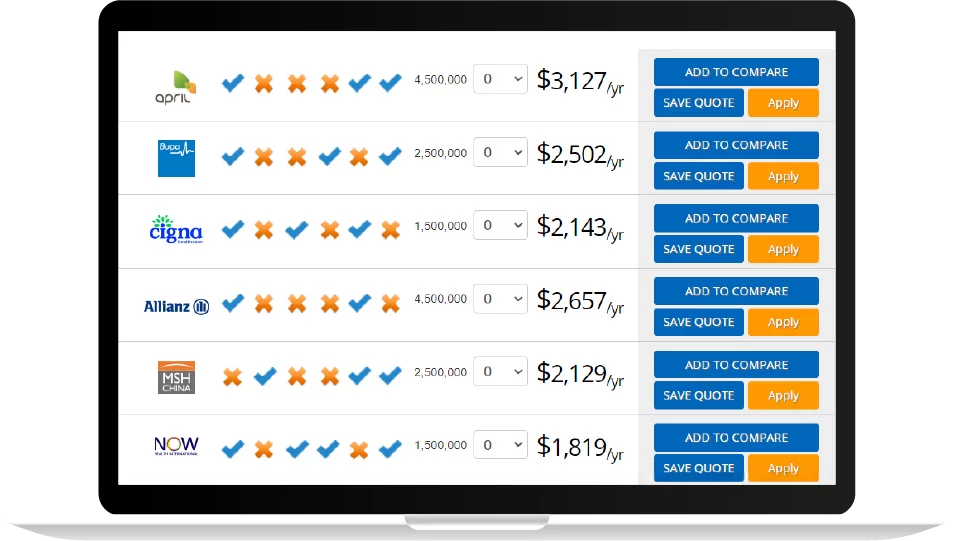
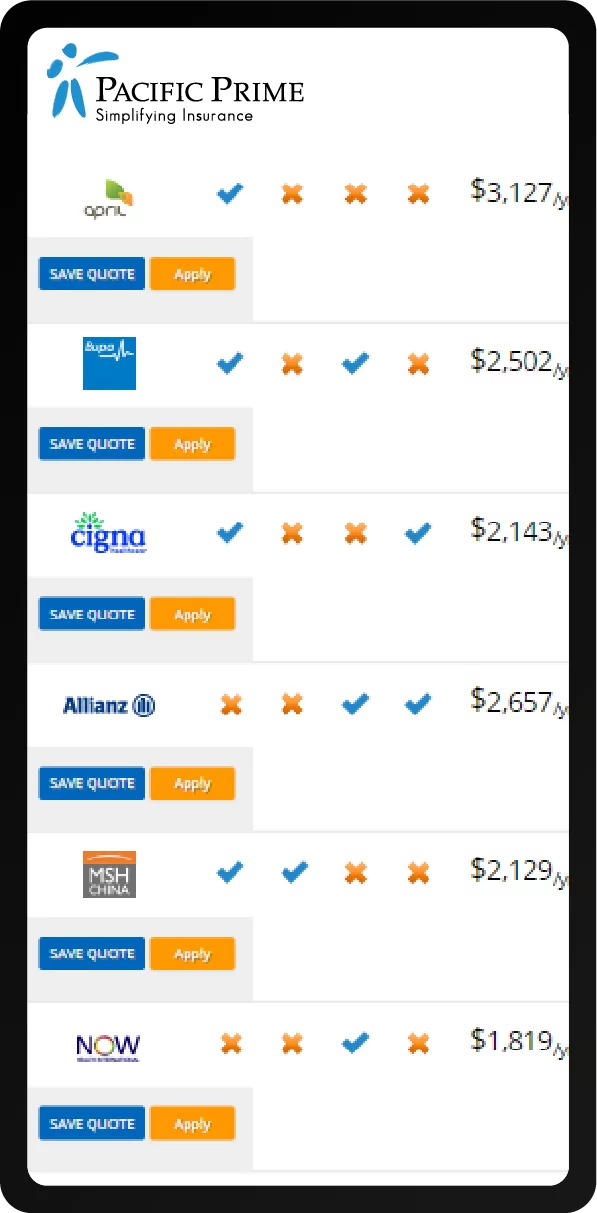
We are brokers with over 20 years of experience in offering insurance solutions to expats and digital nomads globally. We can help you understand insurance quotes and plans and offer our unbiased advice. If you’d like to compare plans on your own, feel free to use our free quote generator.
If you’d like to read more helpful guides for expats in Japan, check out our articles below:
- How to Claim Reimbursements Under Japan’s Health Insurance System
- Health Insurance for Working Holiday Visa Holders in Japan

Serena earned her Bachelor’s Degree in Psychology from the University of British Columbia, Canada. As such, she is an avid advocate of mental health and is fascinated by all things psychology (especially if it’s cognitive psychology!).
Her previous work experience includes teaching toddlers to read, writing for a travel/wellness online magazine, and then a business news blog. These combined experiences give her the skills and insights she needs to explain complex ideas in a succinct way. Being the daughter of an immigrant and a traveler herself, she is passionate about educating expats and digital nomads on travel and international health insurance.
- Cigna Health Insurance in Indonesia: Expat Guide (2026) - September 11, 2026
- Allianz Health Insurance in Indonesia for Expats (2026) - September 11, 2026
- Digital Nomads in Bali & Indonesia: Visas + Health Insurance (2026) - September 10, 2026

Comments
Comments are disabled for this post
We'll notify you
when our team replies!