
Vietnam Healthcare 2026: An Expat’s Guide
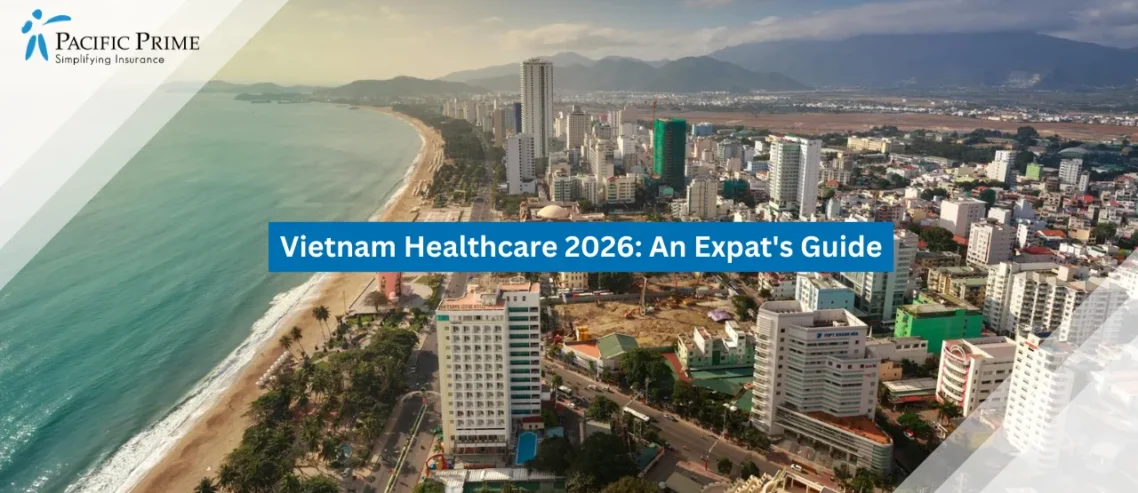
Expats in Vietnam usually choose private hospitals in Hanoi and Ho Chi Minh City, where facilities are modern, well-equipped, and offer English-speaking staff. Public hospitals exist but often face limited funding, lower-quality care, and minimal English support.
Discover the world's top
health insurers.
Compare quotes with
a click of the button.
Vietnam’s healthcare system blends Eastern and Western medicine and requires both citizens and expats in Vietnam to pay for services. To navigate the system effectively and ensure access to quality care, many expats choose international health insurance that covers private hospitals and clinics.
Healthcare Overview for Expats in Vietnam
The Vietnamese healthcare system is a work in progress. Note that the government of Vietnam has been constantly working towards achieving universal healthcare, and the current quality of healthcare services offered at public hospitals is low.
However, millions of children in Vietnam have been protected by vaccination for over 40 years, according to UN agencies.
As an expat living in Vietnam, it is important for you to learn about the local healthcare system. Vietnam has been a popular destination for expats over the last few years, and the healthcare system here is somewhat challenging to understand.
Vietnam is a developing country, and the government is making constant efforts to improve the quality of healthcare. Let’s take a closer look at the public and private healthcare systems in the country.
Public Healthcare Challenges and Access for Expats
Public hospitals or health facilities in Vietnam are not as well-equipped as those in developed countries. This is because hospitals are underfunded. Often, medical staff speak only Vietnamese, and in addition, the availability and quality of healthcare in rural areas of Vietnam is poor.
In some remote parts of the country, there is no healthcare at all. However, thanks to World Bank investment, this situation is improving.
If you are an expat moving to Vietnam with your family, it is a good idea to move to the more developed cities with hospitals and clinics.

Private Healthcare Facilities for Expats in Vietnam
Private hospitals in Vietnam are ideal for expats, as they offer excellent quality, especially in Hanoi and Ho Chi Minh City. Private hospitals are also more likely to cater to the needs of expats than public hospitals. Doctors in private hospitals are often from the US, Japan, Korea, and France.
There are also Vietnamese doctors trained overseas. As an expat, you can be sure that there will be staff available at private facilities who can communicate with you in English.
Private hospitals in Vietnam accept international health insurance and ensure a hassle-free billing process. However, consultation fees for specialists such as dentists and dermatologists vary widely.
Although costs are lower than in most Western countries, specialists who work with expats charge more than those who work with locals.
Pharmacies and Medication Access for Expats in Vietnam
As an expat, you will be pleased to know that pharmacies in Vietnam are well stocked and easy to find, especially in the larger cities of Hanoi and Ho Chi Minh City. You can find a pharmacy in any shopping mall or busy street.
It is common in Vietnam to buy medicines over the counter without a prescription. However, it is a good idea to check the expiration date of the medicine, as it is common for counterfeit or expired medicines to be sold in Vietnamese pharmacies.
Expats who are concerned about the quality of medicines in Vietnam should bring necessary medicines from their home country or only buy from pharmacies in private hospitals.
In addition, expats can easily bring their medication into the country as long as they can show the prescription at customs.

Common Health Risks and Safety Tips for Expats in Vietnam
As an expat, you may be more susceptible to illness than the locals, but with basic precautions and care, you won’t face any major health risks during your stay. Avoid drinking tap water, don’t eat ice offered in public places, and more.
Here are some precautions that can help you stay healthy in the country:
- Avoid drinking tap water; buy bottled water.
- Those with sensitive stomachs should avoid eating ice in public places.
- Always wear sunscreen, as it can get very hot and sunny.
- Drink plenty of fluids, as it can get very hot in Vietnam.
- Get vaccinated; there is a high risk of hepatitis A & B, especially in the countryside.
- Use mosquito repellent where necessary, as dengue and malaria are common in Vietnam.
Emergency Services and Ambulance Access in Vietnam
The emergency service number in Vietnam is 115, though the emergency services in Vietnam have a reputation for being slow. In addition, the paramedics do not always speak English, and the equipment may not be up to date.
Private hospitals in larger cities offer faster and more efficient ambulance services. In most cases, expats will take taxis to the nearest private hospital in the event of an emergency.

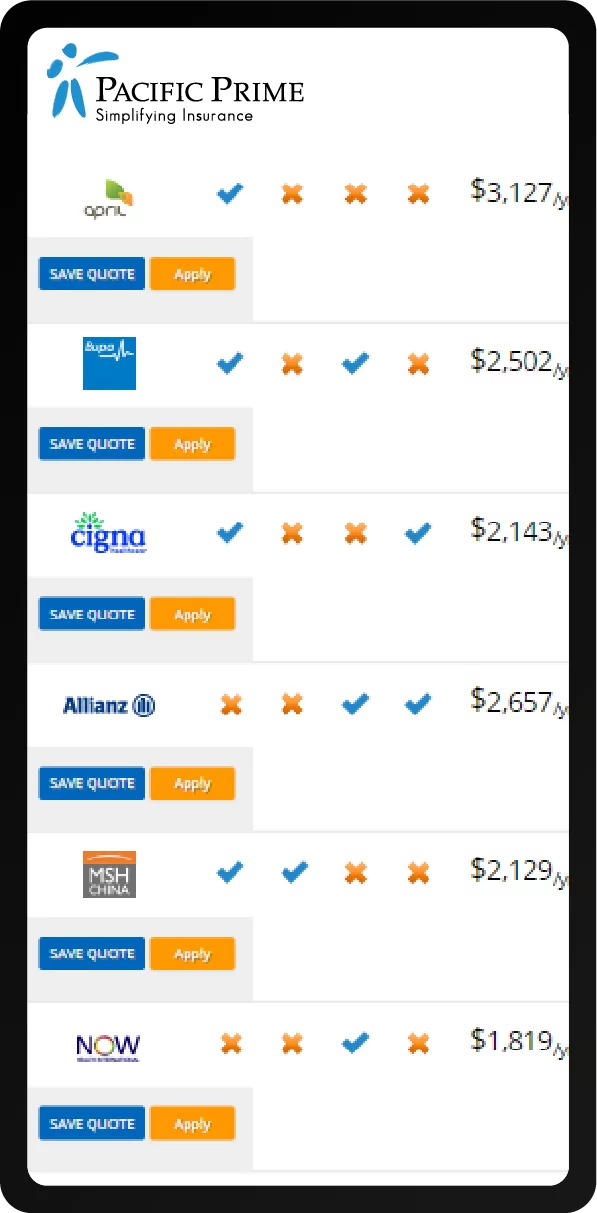
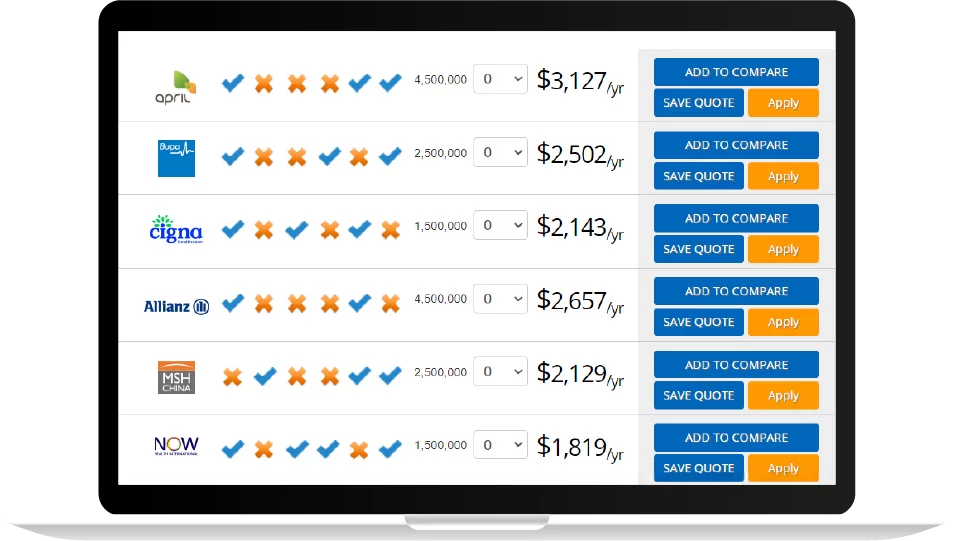
Health Insurance Options for Expats in Vietnam
Expats should take out international health insurance, as the public healthcare system in Vietnam is not ideal for expats. This is because local medical professionals do not speak English, and the services and equipment used are likely very different from those in your home country.
Paying for private healthcare out of pocket can be very expensive, so expats may wish to take out comprehensive health insurance before moving to Vietnam.
Check with the private hospital and your insurance provider to see if your insurance will cover the treatment. It is also a good idea for expats to check that their health insurance will cover them for treatment outside of Vietnam before taking out the policy.
Many expats living in Vietnam prefer to travel to Bangkok or Singapore for specialist treatment. As an expat, you may be interested in a private health insurance plan in Vietnam to help cover your fees.
Frequently Asked Questions
Is it mandatory for expats to have health insurance in Vietnam?
It is mandatory for all expatriate employees in Vietnam to have social insurance as part of their employment contract. Social insurance enables employers to register and pay insurance contributions on behalf of their employees with DoLISA.
What is the quality of healthcare in Vietnam?
The quality of healthcare is good in larger cities such as Hanoi and Ho Chi Minh, thanks to the presence of large international private hospitals. Note that the quality and availability of healthcare in rural areas of Vietnam are poor.
How much does it cost to see a doctor in Vietnam?
The cost of a standard medical consultation with an expat doctor is about USD $94 at an international private healthcare center. However, if you do not mind a resident or a local doctor, then it would cost you USD $85.
Conclusion
Vietnam offers dependable healthcare for expats who rely on private hospitals in major cities like Hanoi and Ho Chi Minh City. If you’re still weighing your options, other Asian countries also provide strong medical systems and appealing lifestyles worth considering.
Both northern and southern Vietnam offer quality private healthcare for expats, making the country a solid choice for long-term stays. Wherever you live, comprehensive health insurance is essential for covering medical costs and ensuring peace of mind during emergencies.
With 25 years of experience, Pacific Prime works with top global insurers to help expats secure reliable coverage. Get in touch with Pacific Prime for a FREE quote and explore your options today as you discover the best places to live in Vietnam.

After obtaining his Bachelor’s Degree in Social Sciences, International Relations from Mahidol University International College, Veerabhatr has forged his career as a content writer in the travel, lifestyle, and real estate industries, writing in both English and Thai. He now continues to hone his skills as a writer at Pacific Prime, looking to engage and educate the audience by simplifying insurance.
Writer by day, and a DJ by night, Veerabhatr is a staunch music lover, and listens to all spectrums of genres available. He also loves to drink beer (moderately), eat all types of food, go to the beach, and learn about different cultures across the globe. He is also a die-hard fan of football and motorsports.
- The Cost of Living in Italy in 2026 - May 8, 2026
- 12 Best Places To Live In Nepal in 2026 - May 8, 2026
- The Best Life Insurance in Hong Kong in 2026 - May 6, 2026

Comments
2 Comments
How do expats in Vietnam handle dental care, and are there recommended clinics that cater to foreigners? Are there any particular health screenings or preventative care measures recommended for expats living in Vietnam?
Expats in Vietnam generally turn to private dental clinics in major cities like Ho Chi Minh City and Hanoi for high-quality, English-speaking services. Recommended clinics catering to foreigners include Westcoast International Dental Clinic and Australian Dental Clinic, both known for modern facilities and international standards of care. For preventative health, expats are advised to undergo regular screenings for tropical diseases (e.g., dengue, malaria) and vaccinations for hepatitis A and B, while maintaining proper hygiene and avoiding untreated water.
For personalized advice on health insurance that covers dental care and preventative measures in Vietnam, visit our Contact Us page to connect with an expert!
Ask a Question
We'll notify you
when our team replies!