
Japan Health Insurance for Families: Coverage & Benefits
Foreign families in Japan typically use a mix of public and private health insurance to cover all their medical needs. It’s particularly important to make sure your plan covers all your dependents and the typical wellchecks and vaccinations necessary for young children and adolescents.
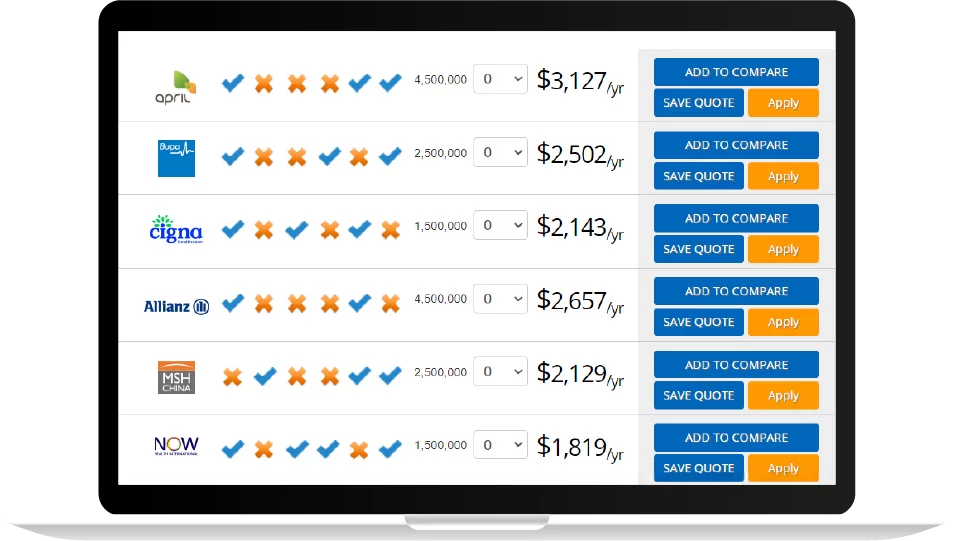
Discover the world's top
health insurers.
Compare quotes with
a click of the button.
Is your family foreign to Japan? Do you need tips on finding a family health insurance plan with the right benefits and coverage for your needs?
This article will teach you the public and private health insurance options available to your family, what benefits your family should be sure to look for, tips on choosing the right plan, and some advice on navigating the healthcare system.
Don’t miss our webpage that explains how the healthcare system in Japan works and what private health insurance providers are the best for Japan travel.
How Japan’s Healthcare System Works for Foreign Families
Japan’s healthcare system works for foreign families by combining mandatory public insurance with optional private coverage to ensure broad access to affordable medical services, including pediatric care, routine treatment, and maternity benefits for long-term expatriate residents and dependents.
Foreign families in Japan typically access care through either National Health Insurance or Employees’ Health Insurance, both of which subsidize 70 percent of most medical costs. New residents must register soon after arrival and include all dependents in their household.
Public insurance applies to outpatient visits, inpatient treatment, emergency services, and many child health subsidies offered by local governments. Families often use private insurance to fill gaps, secure English-language access, and obtain international coverage beyond Japan.
Public Insurance Requirements for Foreign Residents
Foreign residents qualify for public health insurance when living in Japan for more than three months, and families must register at their local ward office within 14 days of moving into a residence.
Coverage includes non-working spouses and children, who are added as dependents on either National Health Insurance or Employees’ Health Insurance, depending on the working parent’s employment. Children receive the same subsidized copayment rate as adults unless local programs further reduce costs.
Common Registration Requirements:
- Residence Card Presentation: Families must show Residence Cards for all members, ensuring authorities confirm long-term residency status and eligibility for enrollment.
- Proof Of Address: Parents need to provide a signed lease, utility bill, or official residence certificate to document the family’s local address.
- MyNumber Documentation: Each family member must present or apply for a MyNumber, which is required for insurance administration and identification across municipal services.

What Public Insurance Covers
Public insurance covers a comprehensive range of medically necessary services for foreign families, including routine consultations, emergency care, and essential treatments provided at approved clinics and hospitals across Japan.
Benefits include inpatient stays, specialist referrals, diagnostic tests, and subsidized prescriptions under standard copayment rules. Children in many prefectures receive additional cost reductions through municipal child medical subsidy programs, which significantly lower out-of-pocket expenses.
Typical Coverage Inclusions:
- Outpatient Services: Families receive subsidized checkups, pediatric appointments, and common diagnostics at thousands of clinics participating in Japan’s national scheme.
- Inpatient And Surgical Care: Public coverage applies to hospital admissions, surgeries, and specialist care, with a monthly cap under the High-Cost Medical Care Benefit program.
- Emergency Treatment: Ambulance transport and emergency department services are covered, although private-room surcharges and extra comfort fees are usually excluded.
- Prescription Medicines: Most medications are reimbursed under standard copayments, and pharmacies nationwide accept public insurance without additional enrollment.
Where Public Insurance Falls Short for Foreign Families
Public insurance falls short for foreign families by offering limited English-language medical support, no international coverage outside Japan, and out-of-pocket costs that can be significant for long hospital stays or advanced treatments.
Specialist access often requires referrals, and availability differs widely depending on region and clinic capacity. Families who travel frequently or anticipate relocation may also find public insurance limiting because it does not provide coverage beyond Japan’s borders.
Common Limitations To Consider:
- Limited English Support: Many hospitals have few bilingual staff, complicating specialist visits, emergency situations, and detailed treatment explanations for foreign parents.
- No Overseas Coverage: Families traveling abroad must rely on private insurance because Japan’s public plans do not reimburse overseas care except in rare, pre-approved circumstances.
- Cost Gaps and Extra Fees: Non-covered items such as private rooms, advanced imaging, and some maternity services create additional financial pressure for expatriates.
- Regional Variability: Access to pediatric specialists and mental health services varies significantly between major cities and smaller municipalities.

Private Health Insurance for Foreign Families in Japan
Private health insurance options for foreign families in Japan provide expanded coverage, greater flexibility, and better access to English-speaking care, making them valuable supplements or alternatives to the public system for expatriate parents and dependents.
Many foreign families choose private insurance to secure international coverage, higher reimbursement limits, and streamlined access to specialists without strict referral requirements. International insurers also offer multilingual support, which helps parents coordinate treatment more confidently.
Local Japanese insurers provide lower-cost private plans, but these often include limited benefits, low coverage caps, and minimal English assistance. Families frequently compare both international and domestic options to address their specific medical and mobility needs.
International Health Insurance for Expats
International health insurance offers global coverage and broad provider networks, making it ideal for foreign families who travel frequently or expect to relocate. These plans typically include direct billing at international clinics and English-speaking support teams.
Coverage usually spans inpatient services, outpatient treatment, maternity care, and emergency evacuations. Families also benefit from high annual limits, flexible deductibles, and access to English-language telemedicine, which can be especially helpful for child health consultations.
Key Advantages Of International Plans:
- Global Portability: International plans remain valid if families move countries, ensuring continuity of care during work assignments or relocations.
- Direct Billing Networks: Many global providers offer cashless treatment at major international hospitals, reducing administrative burdens for busy parents.
- Comprehensive Coverage: These plans typically include mental health, maternity, wellness checks, and preventive care at higher benefit levels than most local insurers.
- Multilingual Support: Families can access 24/7 English-language customer service, useful for emergencies or complex care coordination.

Local Japanese Private Insurance
Local Japanese private insurance provides supplemental benefits at lower premiums, but foreign families often encounter reduced coverage limits, fewer English-language resources, and more exclusions than international plans.
These policies usually focus on hospitalization benefits and fixed cash payouts rather than full reimbursement models. Families using local private plans generally combine them with public insurance to manage large expenses or secure modest additional financial protection.
Common Traits Of Local Plans:
- Low Premiums: Local insurers typically offer cheaper monthly rates, which appeal to cost-conscious families planning long-term stays.
- Cash Benefit Structure: Many local plans provide fixed lump-sum payments for hospital stays or surgeries rather than reimbursing actual medical costs.
- Limited English Support: Policy documents, claims processes, and call centers are often Japanese-only, creating challenges for non-Japanese-speaking parents.
- Benefit Caps: Coverage ceilings may be significantly lower than international standards, especially for maternity or outpatient care.
Japanese Plans Designed for Family Units
Plans designed for family units bundle coverage for parents and children, ensuring streamlined enrollment, predictable premiums, and consistent benefits tailored to multi-member households. These policies often highlight child-specific care and maternity benefits.
Family plans frequently include preventive services, wellness visits, dental options, and mental health support appropriate for young dependents. Insurers may also provide newborn add-on provisions, allowing immediate enrollment after birth without lengthy underwriting.
Typical Features of Family-Oriented Plans:
- Bundled Pricing: Families pay a consolidated premium for multi-member coverage, simplifying budgeting and renewals.
- Child-Focused Benefits: Coverage often includes vaccinations, developmental assessments, pediatric visits, and therapy support for growing children.
- Maternity And Newborn Options: Many plans offer prenatal visits, delivery benefits, and newborn enrollment flexibility, subject to standard waiting periods.
- Preventive And Wellness Care: Routine checkups, vision screenings, and dental cleanings help families manage long-term health needs effectively.
Key Benefits For Families in Japan Health Insurance
The key benefits families should look for in Japan health insurance include strong outpatient support for children, comprehensive inpatient protection, maternity and newborn coverage, and expanded services like dental, vision, and mental health care tailored to the needs of foreign households.
Foreign parents often prioritize broad coverage because Japan’s public insurance has gaps in language support, specialist access, and international protection. Private plans help ensure predictable costs, better provider networks, and added benefits that address the unique needs of expatriate families.
Robust family-oriented plans typically include pediatric services, maternity care with fewer exclusions, emergency assistance, and preventive health benefits, creating a more secure and convenient healthcare experience for parents and dependents.
Outpatient Coverage for Children
Outpatient coverage for children ensures families can access regular checkups, vaccinations, pediatric consultations, and early diagnostics, which are essential for managing childhood health and development in Japan.
Foreign parents benefit from coverage that includes English-speaking pediatricians, developmental screenings, and chronic condition monitoring without excessive out-of-pocket expenses.
Important Outpatient Benefits:
- Pediatric Consultations: Plans often cover scheduled and acute pediatric visits, helping parents address fevers, infections, allergies, or developmental concerns promptly.
- Vaccinations: Coverage may include routine childhood vaccines, which are essential for school entry and community health compliance.
- Diagnostic Testing: Access to blood tests, imaging, and specialist referrals enables early detection and treatment of pediatric issues.
- Chronic Care Management: Benefits for asthma, allergies, or dermatological conditions help families manage long-term needs with predictable costs.
Inpatient and Emergency Services
Inpatient and emergency services provide financial protection for major medical events, including surgeries, hospitalizations, and urgent treatment, which can otherwise result in significant expenses for foreign families.
Comprehensive policies ensure that parents receive fast access to care, private room options, and emergency translations, improving safety and clarity during stressful situations.
Core Inpatient and Emergency Benefits:
- Hospital Admissions: Plans typically cover room charges, specialist supervision, nursing care, and surgical procedures for acute or chronic conditions.
- Emergency Transport: Ambulance services, emergency room treatment, and stabilization care are generally included for sudden injuries or illnesses.
- Intensive Care: Coverage for ICU or high-dependency units protects families from large financial risks associated with severe medical cases.
- Direct Billing Options: Many private insurers offer cashless treatment at partnered hospitals, which simplifies urgent care for expat families.

Maternity and Newborn Coverage
Maternity and newborn coverage supports expecting parents through prenatal care, delivery, and postnatal services, making it one of the most important benefits for foreign families planning to give birth in Japan.
Private plans commonly include broader prenatal testing benefits, fewer exclusions for complications, and routine newborn health checks that public insurance does not always cover.
Key Maternity and Newborn Benefits:
- Prenatal Visits: Coverage may include ultrasounds, screenings, and routine checkups throughout pregnancy, which help ensure healthy maternal outcomes.
- Delivery Costs: Policies can offset the high expenses associated with labor, delivery, and emergency procedures not fully subsidized by public programs.
- Newborn Enrollment: Many insurers allow immediate enrollment for infants, ensuring protection from the earliest days of life.
- Complication Coverage: Benefits for maternal or neonatal complications reduce financial risk during unexpected medical events.
Dental and Vision for Kids
Dental and vision coverage for kids enhances long-term health by supporting early oral hygiene, orthodontic assessments, and routine eye exams, which are vital for growing children.
These benefits help foreign families in Japan manage predictable costs and access providers familiar with international patients who require English-language care.
Notable Dental and Vision Benefits:
- Routine Cleanings: Plans often include preventive cleanings, basic fillings, and early intervention to maintain oral health.
- Orthodontics: Some policies offer partial reimbursement for braces or corrective treatments, which can be costly without supplemental coverage.
- Eye Exams: Regular vision tests help identify early issues, ensuring children receive timely corrective lenses if required.
- Specialist Access: Coverage may extend to pediatric dentists and ophthalmologists experienced in treating expatriate dependents.
Mental Health and Developmental Support
Mental health and developmental support provides access to counseling, therapy, and behavioral assessments, which are increasingly important for foreign families raising children in a cross-cultural environment.
International plans often include broader mental health benefits than local Japanese insurers, helping families find English-speaking specialists for long-term support.
Key Mental Health Benefits:
- Counseling Sessions: Policies may include access to therapists, psychologists, and family counselors for emotional or behavioral concerns.
- Developmental Assessments: Coverage for evaluations helps identify learning challenges, speech issues, or attention-related conditions early.
- Specialist Therapy: Plans sometimes include speech therapy, occupational therapy, or behavioral therapy to support developmental progress.
- Telehealth Options: Virtual mental health services offer convenient access for families living outside major urban areas.

How to Choose the Right Family Health Insurance Plan
Choosing the right family health insurance plan in Japan requires evaluating your household’s medical needs, comparing coverage limits, reviewing provider networks, and determining whether you need international mobility, bilingual support, or maternity and child-focused benefits.
Foreign families often balance public and private insurance by assessing how frequently they expect to use pediatric services, whether they need English-speaking providers, and how much financial protection they want for emergencies or specialist care.
Effective selection includes reviewing policy exclusions, verifying medical underwriting requirements, checking waiting periods, and ensuring plans accommodate future life changes such as childbirth, relocation, or extended travel.
Evaluate Your Family’s Healthcare Needs
Evaluating your family’s healthcare needs helps determine which benefits matter most, particularly for parents expecting a child, caring for young dependents, or managing existing medical conditions that require frequent outpatient visits.
Foreign households should consider language requirements, preferred hospitals, chronic conditions, and the frequency of preventive care. These factors guide decisions on whether a comprehensive private plan or a hybrid public-private approach offers the best value.
Key Needs to Assess:
- Maternity and Newborn Care: Families planning pregnancy should prioritize plans with prenatal, delivery, and neonatal benefits, especially given strict waiting periods.
- Chronic Conditions: Children or parents with chronic issues benefit from stronger outpatient coverage and higher annual limits.
- Language Support: Access to English-speaking pediatricians, therapists, or specialists can significantly improve care experiences for foreign families.
- Travel Frequency: Families who travel widely or anticipate relocation may require international coverage beyond Japan.
Compare Plan Types and Coverage Limits
Comparing plan types and coverage limits ensures families understand the financial protection offered by inpatient-only, comprehensive, or international plans, each of which may suit different household needs.
Foreign parents should review annual limits, copayment structures, and exclusions to avoid unexpected costs. High-limit plans typically provide more stability for families relying heavily on private healthcare or international services.
Comparison Criteria to Review:
- Annual and Lifetime Limits: Higher limits protect families from major medical expenses or extended hospitalizations.
- Outpatient Versus Inpatient Benefits: Plans with full outpatient coverage support frequent pediatric visits and preventive care.
- Copayment and Deductible Options: Cost-sharing structures influence monthly premiums and long-term affordability.
- Exclusions and Waiting Periods: Reviewing restrictions helps prevent claim denials and ensures benefits match expected needs.
Assess Provider Networks and English-Speaking Clinics
Assessing provider networks and English-speaking clinics is critical for foreign families because language support and international hospital access greatly influence the quality and comfort of care.
Parents should verify whether insurers offer direct billing, which simplifies appointments and reduces financial stress during emergencies. Access to reputable pediatricians and specialists also affects ongoing care for children.
Provider Network Considerations:
- English-Speaking Hospitals: Plans with partnerships at major international clinics provide clearer communication and more predictable care.
- Direct Billing Availability: Cashless treatment options remove upfront payments and streamline claims for busy families.
- Pediatric Specialists: Networks that include child-focused providers improve access to developmental, behavioral, and chronic condition support.
- Regional Coverage: Families living outside major cities should confirm access to nearby contracted clinics and hospitals.
Look at Global Mobility and Relocation Needs
Global mobility and relocation considerations are essential for expat families who may move countries or travel frequently for work or family obligations, requiring coverage that extends beyond Japan.
International plans typically offer seamless protection during global travel, emergency evacuation, and transitions between countries, which is important for parents managing multi-country assignments.
Mobility Factors to Consider:
- Worldwide Coverage: Plans with global protection ensure uninterrupted care during international travel or relocations.
- Emergency Evacuation: Coverage for air ambulance transport or medical repatriation reduces risk during severe health events abroad.
- Relocation Flexibility: International insurers often allow smooth transitions to new regional plans without restarting waiting periods.
- Portability: Families that change countries benefit from plans that remain valid regardless of residence status.
Tips for Foreign Families Navigating Japanese Healthcare
Tips for foreign families navigating healthcare in Japan focus on improving communication, selecting the right providers, understanding appointment systems, and preparing for emergencies to ensure smooth, confident access to medical services across the country.
Foreign parents often face language barriers, unfamiliar administrative processes, and differing cultural expectations in medical settings. Establishing good routines, researching local clinics, and preparing documentation in advance can significantly improve daily healthcare experiences.
Learn How to Access Care Efficiently
Many clinics require appointments, especially for pediatrics, while hospitals often prioritize emergency cases. Families who familiarize themselves with local procedures feel more confident managing both minor and serious medical situations.
Ways to Access Care Smoothly:
- Know Clinic Types: Pediatric clinics handle routine care, while general hospitals manage specialized or emergency services requiring advanced equipment.
- Use Appointment Systems: Many providers use online reservations or same-day appointment slots, which reduce wait times for busy parents.
- Understand Referrals: Specialist visits often require referral letters from primary clinics, especially when using public insurance.
- Keep Clinic Cards: Most facilities issue patient cards on the first visit, speeding up check-ins and record retrieval.
Prepare for Emergencies and After-Hours Needs
Foreign parents benefit from creating a simple emergency plan that includes contact numbers, nearby hospitals, and insurer instructions for direct billing or claims support.
Essential Emergency Preparations:
- Identify 24/7 Hospitals: Families should know the nearest emergency hospitals that accept pediatric cases, especially in large cities like Tokyo or Osaka.
- Save Emergency Numbers: Dial 119 for ambulances, which are free to use, though hospital treatment fees still apply.
- Use Tokyo EMS Guides: Metropolitan resources offer multilingual guidance for emergency decision-making and symptom evaluation.
- Carry Insurance Cards: Keeping all family insurance cards accessible ensures immediate registration during urgent care.
Manage Language Barriers
Many clinics in Japan provide limited English support, especially outside major urban areas. Using translation tools, confirming bilingual availability, and preparing essential phrases in advance helps families communicate clearly and maintain confidence during appointments.
Effective Communication Strategies:
- Prepare Key Medical Terms: Knowing basic Japanese phrases for pain, fever, allergies, or chronic conditions strengthens communication.
- Bring Written Summaries: Parents can prepare a brief health history for children to support complex conversations.
Understand Medical Etiquette and Cultural Norms
Japan’s medical culture prioritizes punctuality, detailed explanations, and adherence to processes such as registration, referrals, and follow-up visits, which may differ from Western systems.
Important Norms to Know:
- Arrive Early: Clinics expect patients to arrive 10–15 minutes before appointments for registration and screening forms.
- Be Prepared With Documents: Bring insurance cards, clinic cards, passports for newborns, and any referral letters.
- Expect Direct Communication: Japanese doctors often provide concise explanations, so parents may need to ask specific follow-up questions.
- Follow Referral Protocols: Attempting specialist visits without referral letters may lead to additional fees or denied appointments.
Track Vaccinations and School Health Requirements
Tracking vaccinations and school health requirements helps foreign families stay compliant with Japan’s pediatric health standards, which influence daycare eligibility, school entry, and access to key services. Japan’s official vaccine schedule differs from some Western countries.
Parents should maintain organized records, understand municipal subsidies, and coordinate appointments early during peak vaccination seasons.
Key Actions for Staying Compliant:
- Review Japan’s Vaccine Schedule: Children follow the national schedule for vaccines such as DPT-IPV, Hib, and MR, which differ in timing from other countries.
- Use Maternal And Child Health Handbooks: Municipalities issue handbooks documenting vaccinations, growth charts, and health milestones.
Conclusion
Japan’s health insurance system supports foreign families effectively by combining national coverage with flexible private options that enhance access, convenience, and financial protection.
This structure helps expatriate households secure reliable care for everyday needs, emergencies, and long-term family wellbeing. Selecting the right combination of NHI, SHI, and private insurance empowers families to control costs, improve provider access, and ensure comprehensive protection.
Reviewing benefits annually, tracking family medical needs, and comparing reputable international insurers helps maintain long-term stability and peace of mind in Japan. To discuss your questions with an international health insurance expert, contact our team online or call +852-3113-1331.
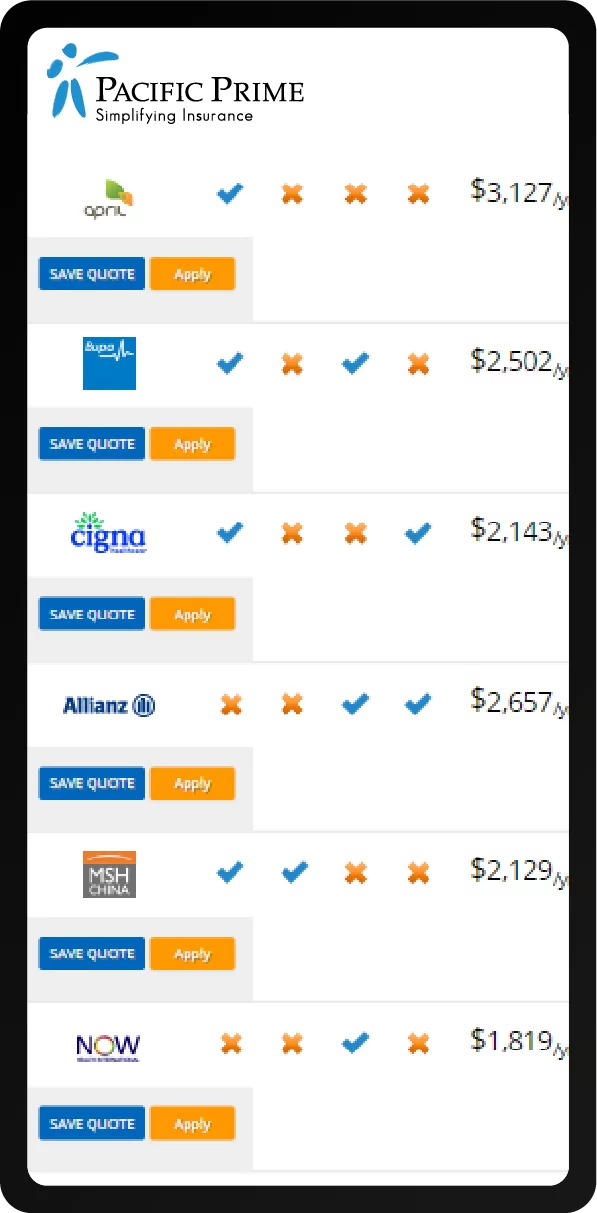
You can begin comparing quotes and plans from the top providers right away with our insurance quote generator that has over 50,000 plans in its database.
We recommend expats in Japan explore the following resources:
- Japan Health Insurance Cost Breakdown: Students, Expats, and Visitors
- How to Enroll, Pay & Manage Health Insurance in Japan as a Foreigner
- Living Abroad in Japan
- 12 Best Places to Live in Japan For Expats
- Maternity Insurance: Pregnancy while Living Abroad

Serena earned her Bachelor’s Degree in Psychology from the University of British Columbia, Canada. As such, she is an avid advocate of mental health and is fascinated by all things psychology (especially if it’s cognitive psychology!).
Her previous work experience includes teaching toddlers to read, writing for a travel/wellness online magazine, and then a business news blog. These combined experiences give her the skills and insights she needs to explain complex ideas in a succinct way. Being the daughter of an immigrant and a traveler herself, she is passionate about educating expats and digital nomads on travel and international health insurance.
- ISO Health Insurance for H-1B Visa Holders - September 21, 2026
- NICU Coverage for Expats: What Parents Should Know - September 21, 2026
- BCBS & GeoBlue in Indonesia: Coverage for American Expats (2026) - September 16, 2026

Comments
Comments are disabled for this post
We'll notify you
when our team replies!