
Health Insurance Costs in Brazil: What Expats Actually Pay in 2026
Brazil’s public healthcare is free but often overcrowded, pushing many expats toward private insurance. In 2026, local plans start at BRL 500 (USD $94), mid-tier coverage averages BRL 1,500–2,800 (USD $282–$527), and premium international policies exceed BRL 8,000 (USD $1,505).
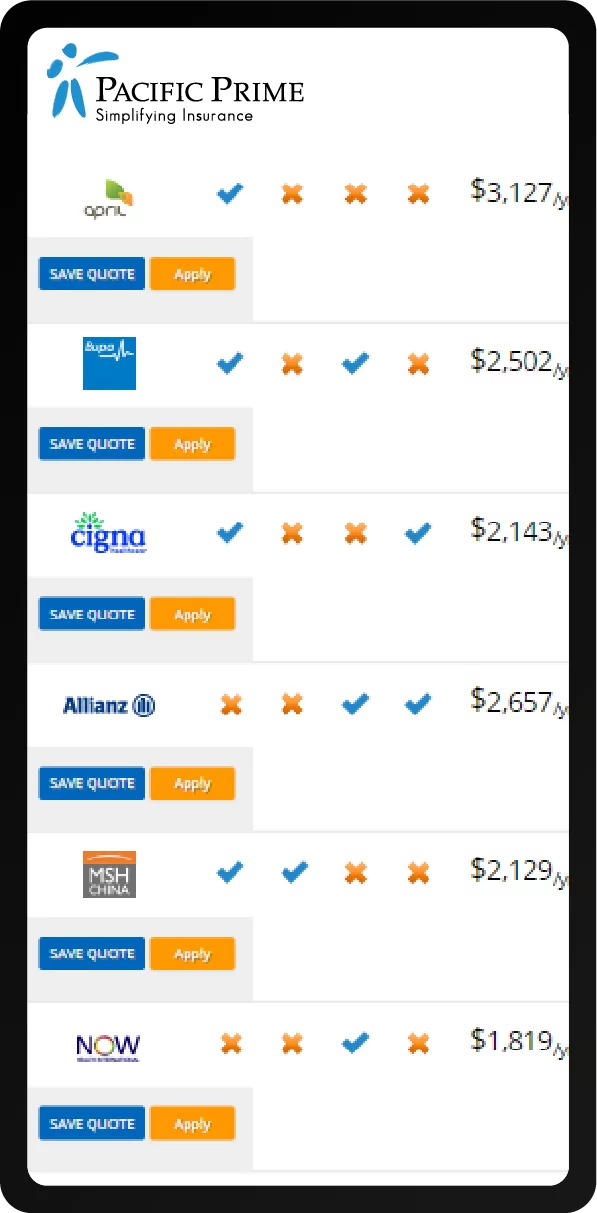
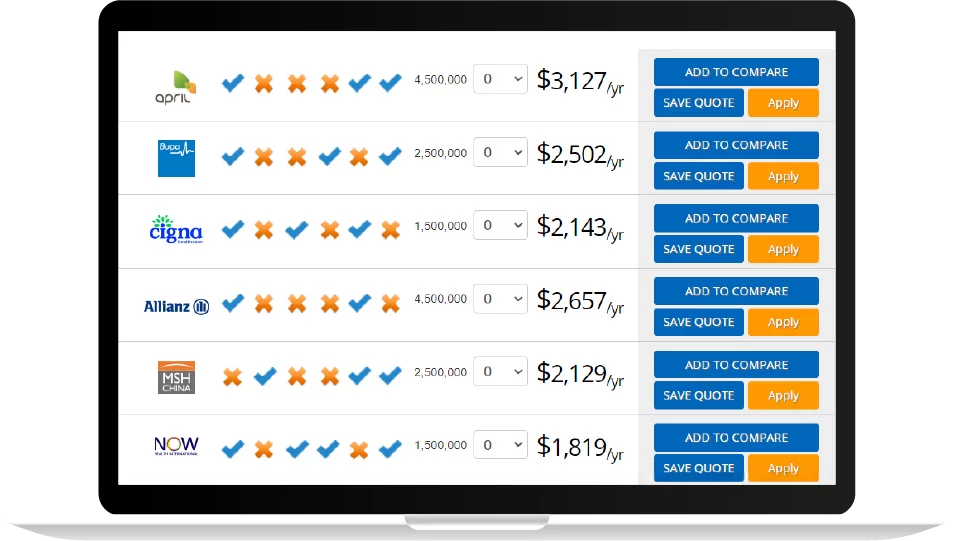
Discover the world's top
health insurers.
Compare quotes with
a click of the button.
Would you rely on the universal system and wait, or invest in private coverage for faster access and modern facilities?
This article explains why premiums in Brazil differ, outlines typical monthly costs, and compares local versus international plans. It reviews factors like age, conditions, and location, highlights hidden fees, and shares strategies to reduce expenses so expats can budget with confidence.
Why Health Insurance Costs Vary in Brazil

Costs vary in Brazil because insurers set premiums based on age, coverage level, and geography. Expats who want faster service and modern facilities usually turn to private insurance. For example, a young professional in Curitiba may pay far less than a retiree in Sao Paolo.
Brazil’s healthcare system is unique because it combines universal public coverage with a thriving private sector. The Sistema Único de Saúde (SUS) is free but often overcrowded, leading to long wait times and limited access to specialists.
Regulation by the Agência Nacional de Saúde Suplementar (ANS) ensures minimum standards, but insurers still have flexibility in pricing. This creates a wide range of options, from affordable entry-level plans to premium international coverage.
Typical Monthly Premiums in 2026 for Brazil
To give expats a clear picture, here are average monthly premiums across different tiers of coverage:
| Age Group | Entry-Level (Local) | Mid-Tier (Local) | Premium (International) |
| 20-35 | BRL 500-BRL 1,200 (USD $94-USD $226) | BRL 1,500-BRL2,000 (USD $282-USD $376) | BRL 3,000-BRL4,500+ (USD $564-USD $847+) |
| 36-50 | BRL 800-BRL 1,800 (USD $150-USD $339) | BRL 2,000-BRL 2,800 (USD $376-USD $527) | BRL 4,000-BRL 6,000+ (USD $752-USD $1,129+) |
| 51+ | BRL 1,500-BRL 3,000 (USD $282-USD $564) | BRL 3,000-BRL $4,500 (USD $564-USD $847) | BRL 6,000-BRL 8,000 (USD $1,129-USD $1,505+) |
Premiums rise sharply with age. A retiree in São Paulo may pay three times more than a young professional in a smaller city for similar protection. The difference between local and international coverage is also significant.
Entry-level local plans remain the most affordable, appealing to younger expats who want basic hospital coverage. Mid-tier plans, while more expensive, provide broader networks and specialist access. Premium international policies are the costliest but offer global flexibility.
Local Private Insurance in Brazil: Entry, Mid, and Premium Tiers
Local insurers in Brazil offer three broad categories of plans: entry-level policies are the most affordable, covering hospital stays and basic outpatient care. They often restrict you to a limited network of hospitals, which can be inconvenient if you travel or live outside major cities.
Mid-tier plans expand coverage to include maternity, dental, and specialist consultations. These are popular among families and professionals who want peace of mind without paying international-level premiums.
Premium local plans provide access to the best hospitals, private rooms, and advanced treatments, but they remain limited to Brazil.
International Insurance Costs in Brazil
International insurers such as Allianz, Bupa, and Cigna offer plans that cover you not only in Brazil but worldwide. These policies are attractive for expats who travel frequently or plan to relocate again.
The trade-off is cost: international insurance is typically 30-50% more expensive than local coverage. For example, a mid-tier local plan for a 40-year-old might cost BRL 2,200 (USD $420) per month, while an international plan could exceed BRL 4,000 (USD $765).
The added expense buys flexibility, global hospital access, and benefits like medical evacuation, which can be invaluable in emergencies.
Factors That Influence Premiums in Brazil
Premiums in Brazil are shaped by more than just the insurer’s base rates, and expats should understand how personal circumstances, lifestyle choices, and geographic location interact with regulatory rules. These elements combine to create significant differences in what individuals actually pay.
Age
Age is the single biggest driver of cost. Premiums rise sharply after age 50, reflecting higher healthcare usage. A retiree may pay three times more than a young professional for similar coverage.
Pre-Existing Conditions
Brazilian regulations limit exclusions, but insurers may impose waiting periods or higher premiums for pre-existing conditions. Expats with chronic illnesses should expect stricter terms.
Coverage Options
Adding maternity, dental, or international coverage increases costs. Comprehensive plans are more expensive but provide peace of mind for families and frequent travelers.
City of Residence
Living in São Paulo or Rio de Janeiro means higher premiums due to advanced private hospitals and higher medical costs. Smaller cities often offer cheaper coverage but fewer facilities.
Plan Structure
Deductibles, copays, and coinsurance can lower monthly premiums but increase out-of-pocket expenses. Choosing the right balance is key to managing costs.
Regional Differences: São Paulo, Rio, and Smaller Cities
Location plays a major role in determining premiums. São Paulo, Brazil’s financial hub, has some of the best private hospitals in Latin America. Expats living there often pay the highest premiums, sometimes 20-30% above the national average.
Rio de Janeiro is slightly less expensive but still costly compared to smaller cities. In contrast, living in places like Curitiba or Florianopolis can reduce premiums significantly. The trade-off is fewer international standard hospitals, which may require travel for specialized care.
Hidden Costs for Health Insurance in Brazil: Copays and Coinsurance
Many plans include copays and coinsurance that can add up quickly. A routine consultation may require a copay of BRL 50 to BRL 200 (USD $10-USD $38), while coinsurance can mean paying 20-30% of hospital bills. Emergency visits without insurance can exceed BRL 5,000 (USD $955).
Expats should carefully review policy details to understand these hidden costs. A plan with lower premiums but high copays may end up costing more in practice than a slightly more expensive plan with minimal out-of-pocket charges.
How to Reduce Costs for Health Insurance in Brazil
Managing health insurance expenses in Brazil requires a strategy, and one option is to choose a higher deductible, which lowers monthly premiums but increases costs if you need care. Another is to compare local and international providers—if you rarely travel outside Brazil, a local plan may suffice.
Expats living outside Sao Paulo or Rio can save by choosing regional providers, though they should confirm hospital quality in their area. Finally, working with a broker who specializes in expat coverage can help you find tailored options and avoid paying for unnecessary benefits.


Frequently Asked Questions
Can expats use Brazil’s public healthcare system?
The Sistema Único de Saúde (SUS) is free and available to all residents, including foreigners. However, long wait times and limited specialist access lead most expats to choose private insurance.
How much is health insurance in Brazil in 2026?
Entry-level local plans start at around BRL500 (USD $94) per month. Mid-tier coverage averages BRL1,500–BRL2,800 (USD $282–USD $527), while premium international policies can exceed BRL8,000 (USD $1,505).
What hidden costs should I expect?
Many plans include copays of BRL50–BRL200 (USD $9–USD $38) per consultation and coinsurance of 20–30% for hospital bills. Without insurance, emergency visits can exceed BRL5,000 (USD $940).
Are international plans worth the higher price?
International policies cost 30-50% more but include global coverage, medical evacuation, and access to hospitals worldwide. They’re ideal for frequent travelers or expats planning future relocations.
How can I reduce my health insurance costs?
Consider higher deductibles, compare local versus international providers, and explore regional insurers outside Sao Paulo or Rio. Working with a broker ensures tailored coverage without unnecessary extras.
Can I get coverage for pre-existing conditions?
You can get coverage for pre-existing conditions, but insurers may impose waiting periods or higher premiums. Regulations limit outright exclusions, so coverage is possible, though terms may vary by provider.
Conclusion
Health insurance in Brazil varies by age, city, and coverage. Young expats may find entry-level local plans affordable, while families and retirees often need mid-tier or premium options. International policies add flexibility but at a higher price.
By knowing real costs and hidden fees, expats can plan ahead and avoid surprises. Whether moving to São Paulo, Rio, or a smaller city, smart budgeting ensures the right coverage for a healthy life in Brazil.
Planning your move? Contact Pacific Prime today for a personalized quote and discover how much coverage will cost for your age, lifestyle, and location.

At Pacific Prime, Grace focuses on simplifying complex concepts on international health insurance to make these topics easily accessible and understandable for our target audience. Being a Filipino born in Hong Kong, she understands the struggles of most immigrants and expats in finding the right insurance solutions while in another country. Her goal is to redefine most people’s perception of insurance, that it is an investment for one’s protection and future.
In her spare time, Grace is either at home or at Hong Kong Disneyland. She loves reading, watching movies and K-dramas, and attending dance classes.
- Pacific Cross Thailand Health Insurance for Expats and Travelers (2026) - August 5, 2026
- UAE Medical Insurance Prices for Expats - June 5, 2026
- How Canadians Can Find Jobs in Dubai - May 25, 2026

Comments
Comments are disabled for this post
We'll notify you
when our team replies!