
The Cost of Living in Uruguay
Monthly expenses in Montevideo or Punta del Este typically range from UYU 50,750–70,200 (USD $1,330–$1,835) for rent, groceries, and utilities. Smaller towns offer more affordable options but with fewer amenities.
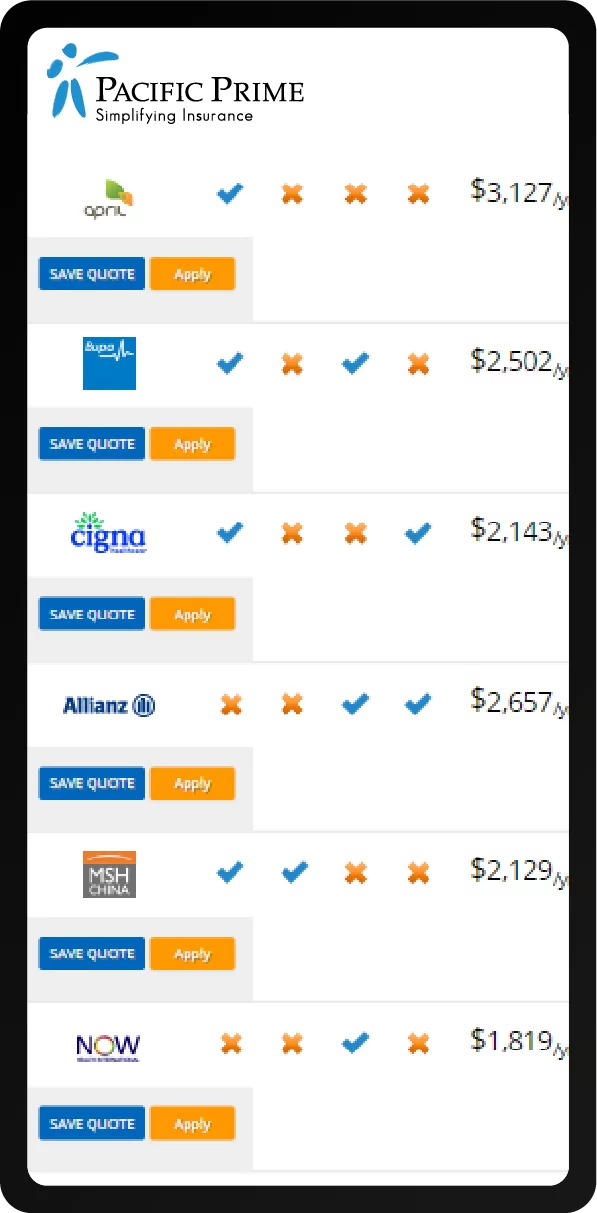
Discover the world's top
health insurers.
Compare quotes with
a click of the button.
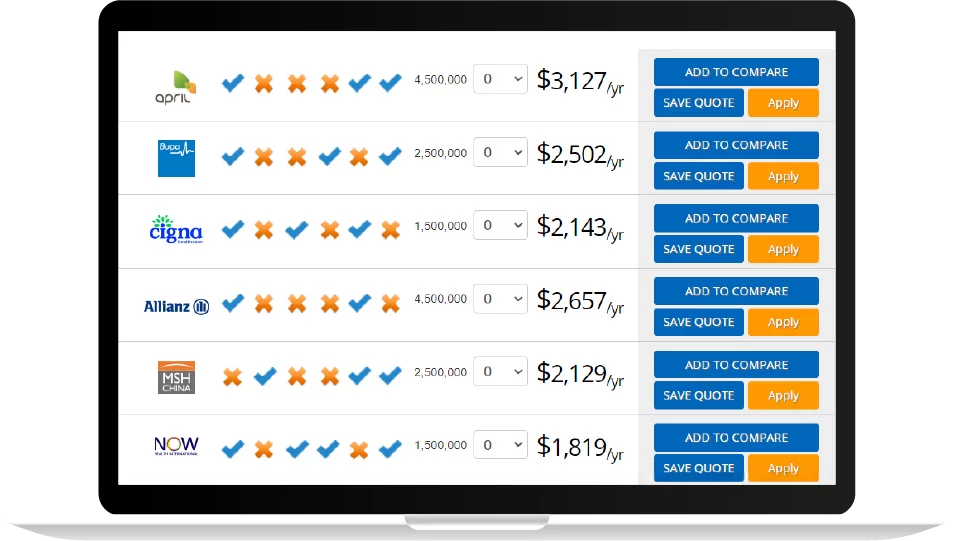
This Pacific Prime guide unpacks what you need to know about living in Uruguay—from housing and groceries to healthcare and transport. We’ll also touch on why international health insurance can help you stay protected and avoid unexpected costs while in the Americas.
Data Sources and Cost Estimates for Uruguay

The cost data here is based on Uruguay’s National Institute of Statistics (INE) and crowdsourced information from Numbeo and Expatistan. These reliable sources provide current prices for housing, utilities, transportation, and daily expenses, helping you budget confidently.
Housing Costs in Uruguay
Housing costs in Uruguay vary by city. In Montevideo, Punta del Este, and Salto, a central one-bedroom rents for UYU (Uruguayan Peso) 30,000–45,000/month (USD $785–1,175). Suburban or smaller-city homes cost UYU 20,000–30,000 (USD $525–785), offering more space and quieter surroundings.
Renting a private room costs UYU 12,000–20,000/month (USD $315–$525), depending on the area and amenities. Foreigners can rent freely but often need to provide a one-month deposit, references, and a guarantor or proof of income to secure a lease.
Buying Property in Uruguay
Real estate in Uruguay is more affordable than in North America. In large cities, central property prices average UYU 111,400–164,400 per sq m. (USD $2,915–$4,300). In outer areas, the price drops to UYU 59,200–160,000 per sq.m. (USD $1,550–$4,185), With new condos offering excellent value.
Foreigners can buy property with no restrictions. Buyers should plan for 7–9% in legal fees, notary charges, and taxes. Working with a local escribano (notary lawyer) is essential to ensure a smooth and legal purchase process.
Additional Housing Fees in Uruguay
Utility costs vary by property size and season. For an 85 sq m. apartment, expect to pay UYU 3,500–14,000/month (USD $92–$365) for electricity, water, gas, and waste collection. Costs may rise during the winter months due to heating.
Internet service costs around UYU 1,700/month (USD $45), while mobile plans average UYU 450–1500 (USD $12–$40). Some landlords include utilities in rent, but many don’t—so it’s important to confirm. Setting up accounts may require local documentation or ID.
Food and Grocery Costs in Uruguay
Whether shopping at supermarkets or dining out, expats will find a range of options for every budget in Uruguay. Below, we outline typical grocery costs, dining prices, and tips for keeping food expenses in check.
The Cost of Grocery Shopping in Uruguay
A single person typically spends UYU 12,000–18,000/month (USD $314–$470) on groceries. Families may budget UYU 25,000–35,000 (USD $655–$915). Shopping at weekly street markets and buying seasonal produce helps cut costs, especially in Montevideo or Salto.
Local ferias and farmers’ markets sell fresh produce, cheese, and meats at competitive prices. Supermarkets like Tienda Inglesa, Disco, and Devoto offer both local and imported goods. Imported products tend to cost more than staples like rice, pasta, and local fruits.
The Cost of Dining Out in Uruguay
Eating out in Uruguay ranges from casual parrillas to fine dining. A local lunch menu costs UYU 460–1200 (USD $12–$32), while a mid-range three-course dinner runs UYU 1,500–3,800 (USD $40–100) per person. Upscale restaurants are common in Montevideo and Punta del Este.
You’ll also find international cuisine like Italian, Japanese, and Spanish. Coffee at a cafe typically costs UYU 100–250 (USD $2.5–$6.50), and snacks like empanadas or medialunas go for UYU 60–100 (USD $1.50–2.50), making it easy to enjoy small treats on a budget.
Transportation Costs: Getting Around Uruguay
Uruguay has a reliable and reasonably priced transportation network. Buses dominate public transit in urban and rural areas, especially in Montevideo. Taxis and ride-hailing apps like Uber and DiDi are also widely used. Reloadable cards help simplify fare payments.
The Cost of Public Transportation in Uruguay
Intercity and local buses are the primary modes of public transport, and fares are managed through a smart card system called STM, which offers discounts and transfers within certain timeframes.
- Montevideo Bus Fare: UYU 20–75 (USD $0.50–$2) depending on route/time
- STM Card: Offers discounted fares and time-based transfer options
- Intercity Buses: Vary based on distance, e.g., Montevideo to Punta del Este is UYU 400–600 (USD $10–$15)
- Monthly Transport Cost: Around UYU 2,000–3,500 (USD $52–$91.50) per person
The Cost of Owning a Car in Uruguay
Car ownership is feasible but comes with recurring costs like insurance, fuel, and taxes. Traffic is lighter than in other Latin American countries, though parking and maintenance can still be a concern, especially in Montevideo.
- Fuel: Petrol costs UYU 75–90/liter (USD $2–$2.35)
- Insurance: Basic third-party coverage starts at UYU 10,000/year (USD $260)
- Maintenance: Estimated at UYU 25,000–45,000/year (USD $654–$1,175)
- Parking: UYU 40–100/hour (USD $1–$2.50) in central areas
- Road Tax & Fees: Vary by region and vehicle type
The Cost of Intercity Travel from Uruguay
Intercity travel in Uruguay costs between UYU 300 and 800 (USD $7.50–$21) by bus, with domestic flights from USD $60–$120, and ferries to Buenos Aires priced at USD $60–$100 one-way. Buses connect cities frequently, while flights and ferries serve longer or international routes.
- Long-Distance Buses: UYU 300–800 (USD $7.50–$21) depending on the route
- Domestic Flights: From USD $60–$120, mostly from Montevideo to Rivera or Punta del Este
- Ferry to Buenos Aires: USD $60–$100 one-way via Buquebus or Colonia Express
- Montevideo to Punta del Este: 2.5 hours by bus, 30 minutes by plane
Healthcare Expenses in Uruguay: What to Expect
Uruguay has a dual healthcare system with public (ASSE) and private (mutualista) options. The public system is low-cost and accessible to residents, but private healthcare is preferred by expats for shorter wait times and more personalized service.
Private care is affordable compared to North America or Europe, though costs vary by provider and location. Many expats opt for international health insurance or join a mutualista (private healthcare network) to access consistent, high-quality care.
The Cost of General Doctor Consultations in Uruguay
Public clinics offer general consultations at low or no cost for ASSE-registered residents. In private mutualistas, doctor visits typically cost UYU 1,500–3,000 (USD $40–$80), and often less if covered under a monthly plan.
Montevideo-based mutualistas like Hospital Británico and SEMM offer high-quality care with English-speaking doctors. Many expats choose these for their reliability and streamlined services.
The Cost of Specialist Consultations in Uruguay
Specialist visits range from UYU 2,500 to 5,000 (USD $65.50–$130) in private clinics. Under mutualista plans, some specialist visits are fully covered or require only a small co-payment. Wait times are shorter than in the public system.
Clinics like Asociación Española and CASMU are popular for their broad range of specialists and efficient care pathways. Some also offer services in English or with translator support.
The Cost of Common Diagnostic Tests in Uruguay
Basic tests such as blood work cost UYU 800–1,500 (USD $20–$40). X-rays cost UYU 1,500–2,500 (USD $40–$65.50), and MRIs average UYU 8,000–12,000 (USD $210–$315) in private hospitals. Prices may be fully or partially covered under insurance plans.
Diagnostic centers like CUDIM and mutualistas’ in-house labs offer timely testing services with modern equipment and online result access.
The Cost of Inpatient Hospital Stays in Uruguay
Hospital stays in private facilities cost UYU 7,000–15,000/night (USD $185–$392), depending on the room type. Public hospitals are cheaper but may require longer waits for admission.
Private hospitals such as Hospital Británico and Médica Uruguaya provide clean, modern accommodations and extra amenities for expats. Some offer direct billing with international insurers.
The Cost of Surgical Procedures in Uruguay
Surgical costs depend on complexity and location. Cataract surgery ranges from UYU 35,000 to 70,000 (USD $915–$1,830), while major procedures like joint replacements can cost UYU 150,000+ (USD $3,925+).
Institutions like Hospital de Clínicas and mutualista-affiliated clinics offer skilled surgeons and up-to-date facilities. Many procedures are covered under mutualista or insurance plans.
Medication Costs in Uruguay
Prescription medications are affordable. Generic drugs typically cost UYU 300–1,000 (USD $8–$26), and brand-name medications are higher. Many plans cover essential drugs, reducing out-of-pocket costs.
Pharmacies like Farmashop and San Roque are easy to find and well-stocked. Pharmacists often assist with minor health concerns and prescription guidance.
Education Costs in Uruguay: From Preschool to University

Public schools in Uruguay are free, while private and international schools charge tuition, ranging from USD $5,000 to $20,000 annually. Uruguay offers a wide range of education options, including public, private, and international schools, which are expats’ top choice.
This section outlines typical education costs across all levels, from preschool to university, helping families understand what to expect and plan their education budget effectively while living in Uruguay.
The Cost of Early Childhood Education and Daycare in Uruguay
Private programs charge UYU 15,000–40,000/month (USD $375–$1,000), depending on location, hours, and facilities. Many centers offer bilingual staff and structured play-based learning.
Montevideo has reputable early education centers such as Carrussel Early Childhood Center and Montevideo English Nursery School, which attract expat families seeking English-speaking environments and international teaching approaches.
The Cost of Public Schools in Uruguay
Public education in Uruguay is free and compulsory for children ages 4 to 15. The system covers preschool, primary, and secondary levels. Lessons are in Spanish, and while quality varies, urban schools tend to have better infrastructure and teaching staff.
Although affordable, public schools may not suit all expat families due to language barriers or curriculum differences. Still, they are a viable option for residents planning long-term stays or with young children who are adapting quickly.
The Cost of Private and International Schools in Uruguay
Monthly tuition for private schools ranges from UYU 25,000–100,000 (USD $625–$2,500), with extra costs for uniforms, books, and enrollment fees. Private and international schools offer bilingual or international curricula such as IB, American, British, or French systems
Top choices include The British Schools of Montevideo, Lycée Français Jules Supervielle, and Ivy Thomas Memorial School. These schools offer small classes and modern facilities and are accredited by international education bodies.
The Cost of Higher Education in Uruguay
Public universities such as Universidad de la República offer tuition-free education to citizens and residents. Programs are taught in Spanish, but the low cost makes them attractive to students staying long-term or seeking local qualifications.
Private universities like Universidad ORT and Universidad Católica charge UYU 10,000–30,000/month (USD $250–$750), depending on the degree. English-taught courses are limited, but some programs in tech and business cater to international students.


Utilities and Bills in Uruguay: Managing Monthly Expenses
Utility costs in Uruguay are moderate and depend on the city, apartment size, and usage. For an 85 sqm apartment, expect to pay UYU 3,500–14,150/month (USD $91.50–$370) for electricity, water, and gas combined. Costs rise in the summer due to AC, or in the winter due to heating.
Internet starts around UYU 1,300/month (USD $34) for 100 Mbps, with providers like Antel and Movistar. Mobile bills vary by plan but average UYU 450–1,500/month (USD $12–$39.25). Bundled packages and prepaid SIMs are widely available for flexible use.
Rent and Climate-Based Utility Costs in Uruguay
Montevideo, Salto, and coastal cities like Punta del Este see seasonal changes in bills. Summer AC or winter heaters can raise electricity costs. Electricity alone ranges from UYU 2,000–6,000/month (USD $52–$157) depending on use and insulation.
Most rentals exclude utilities, and tenants pay for water, electricity, and gas separately. Electricity is managed by UTE, while water and sanitation are handled by OSE. Utility bills arrive monthly, with rates based on consumption.
The Cost of Electricity and Water in Uruguay
Electricity in Uruguay averages UYU 7–9/kWh (USD $0.18–$0.23), similar to many Western countries. Usage patterns impact monthly bills—high-use periods in summer or winter can cause spikes, especially for homes with older appliances.
Water is billed by usage, averaging UYU 600–1,500/month (USD $15–$39) for small households. Apartments may include water in building fees, but most homes pay separately. Usage rises in the summer months with increased cleaning and gardening.
The Cost of Gas, Internet, and Mobile Plans in Uruguay
Natural gas is available in major cities and is used for cooking and hot water, and monthly costs range from UYU 500–1,500 (USD $13–$39). In areas without gas lines, households use bottled gas, which may be slightly more expensive.
The Internet is fast and reliable in urban areas. Fiber-optic plans from Antel, Claro, and Movistar offer speeds from 100 to 300 Mbps. Mobile plans with data and calls cost UYU 500–1,500/month (USD $13–$39). SIM cards are easy to buy with an ID.
Entertainment and Leisure Costs in Uruguay
Movie tickets cost UYU 300–500 (USD $7–$13), while gym memberships average UYU 1,200–4,000/month (USD $31–$105), depending on location and amenities. Uruguay offers a relaxed yet lively cultural scene with beaches, music festivals, theaters, and museums.
Public events, concerts, and open-air markets are common in Montevideo and coastal towns. Rambla walks, beach yoga, and weekend ferias (markets) offer free or low-cost leisure options. Outdoor lovers enjoy surfing, hiking, and wine tours year-round.
The Cost of Cultural Activities and Museums in Uruguay
Admission to museums such as the Museo Nacional de Artes Visuales and the Museo del Carnaval in Montevideo ranges from UYU 150–300 (USD $4–$8). Some offer free entry days monthly or discounts for students and seniors.
Theaters such as Teatro Solís in Montevideo present opera, theater, and dance. Tickets start at UYU 400 (USD $10.50). Local tango shows and live music events are held frequently, especially during Montevideo’s Carnival and summer cultural festivals.
The Cost of Dining Out and Socializing in Uruguay
Dining out in Uruguay ranges from affordable to upscale. A local meal costs UYU 460–1,200 (USD $12–$31), while mid-range restaurants charge UYU 1,500–3,800 (USD $39–$99) per person, depending on the cuisine and city.
Fine dining options in Montevideo or Punta del Este cost UYU 3,000–5,000 (USD 78.50–130). Dining districts like Ciudad Vieja and Pocitos are known for their cafes, parrillas (grill restaurants), and wine bars. Weekend brunches are popular with locals and expats.
The Cost of Nightlife and Entertainment in Uruguay
Uruguay’s nightlife features beach bars, live music venues, and dance clubs. Entry to clubs ranges from UYU 300–700 (USD $8–$18), often including a drink. Montevideo, Punta del Este, and La Barra are nightlife hotspots, especially in the summer months.
A local beer costs around UYU 80–260 (USD $2–$7), and cocktails range from UYU 300–600 (USD $8–$16). Bars often host DJ sets, jazz nights, or tango shows. Carnival season (January–March) adds parades, candombe drumming, and late-night street festivities.
Budgeting Strategies for Living in Uruguay
Uruguay is more expensive than many South American countries, but strategic budgeting helps expats maintain a good lifestyle. Tracking spending and making small adjustments can go a long way in cities like Montevideo or beach towns like Punta del Este.
This section outlines budgeting tips for expats in Uruguay. Whether it’s choosing cost-effective neighborhoods, using public transport, or cooking at home, these strategies help make daily living more affordable without sacrificing comfort.
Tracking Your Expenses
Apps like Wallet, Toshl, or Spendee help track spending in pesos. Logging expenses daily helps you spot trends, stay within your budget, and manage inflation-related price shifts, especially important in a country with a high cost of living like Uruguay.
Set a monthly budget that covers rent, transport, food, and leisure. Monitor grocery spending and utility bills. Adjust categories as needed to keep savings goals intact and avoid surprise expenses, especially during peak tourist seasons.
Living Outside Expensive Neighborhoods
Living outside premium zones can lower rent. In Montevideo, neighborhoods like Buceo or Parque Rodó are more affordable than Carrasco or Punta Carretas. A one-bedroom in Buceo may cost UYU 25,000/month (USD $654), compared to UYU 45,000+ (USD $1,177) in Carrasco.
Outside the city center, you’ll also find lower costs for dining, gyms, and local services. These areas are well connected by buses and provide a more relaxed, local atmosphere, ideal for expats seeking authenticity and value.
Saving on Transportation Costs
Public transportation in Uruguay is reliable and affordable. In Montevideo, a standard bus ride costs UYU 42–56 (USD $1–$1.50), with STM cards offering discounted fares and transfers. Most locals and expats rely on buses for daily commuting.
Cycling is gaining popularity in urban areas. Montevideo offers bike lanes and a public bike-share program called Movete. Walking is also practical in compact cities like Colonia or Punta del Este, helping reduce transport expenses.
To cut transport costs further:
- Use the STM card for fare discounts and 1-hour free transfers
- Walk or bike for short trips in flat urban zones
- Plan routes using Moovit or STM’s real-time app
Taxis start at UYU 70 (USD $1.80), with a per-km rate and extra for night fares. Uber and DiDi operate in Montevideo, often cheaper than street taxis. Booking during off-peak hours helps avoid surge pricing.
For intercity travel, long-distance buses are safe and comfortable. A one-way ticket from Montevideo to Punta del Este costs UYU 400–700 (USD $10.50–$18), depending on timing and company. Booking early often ensures better deals.
Shopping Smart and Cooking at Home
Fresh food at ferias (street markets) is cheaper than in supermarkets. Buy seasonal produce, meat, and dairy to save. Farmers’ markets in Montevideo and regional towns also offer organic goods at better prices than upscale stores.
Cooking at home can halve your food budget. A home meal may cost UYU 150–250 (USD $4–$6.50), while dining out starts at UYU 500+ (USD $13+). Limit takeout and use apps like PedidosYa wisely, as delivery fees and tips can add up fast.
Reducing Utility and Energy Bills
Electricity in Uruguay is among the most expensive in South America, costing around UYU 7–10 per kWh (USD $0.18–$0.23). Bills can spike in winter due to electric heating, especially in Montevideo and the south. Gas heaters are often used to reduce costs.
Winter utility bills for a small household average UYU 3,500–5,500/month (USD $91.50–$144), depending on insulation, heater type, and usage. In summer, bills are lower unless air conditioning is used frequently in coastal cities like Punta del Este.
To cut costs:
- Use gas heaters instead of electric ones
- Close curtains to retain warmth or block heat
- Avoid peak-hour appliance use
Other tips include washing with cold water, unplugging electronics, and using LED lights. Line-drying clothes is common and helps reduce dryer use. These habits are easy to adopt and make a noticeable impact over time.
By adjusting usage patterns, many households can save UYU 1,000–2,500/month (USD $26–$65.50). Utilities in Uruguay are manageable with awareness, especially for expats used to lower rates in their home countries.
Frequently Asked Questions
What is the average price of a house in Uruguay?
The median price for apartments in Uruguay is UYU 13,640 per sq ft (around USD $357/sq ft), meaning half of all listings are priced above this rate and half below. For houses, the median sale price is UYU 8,730 per square foot (approximately USD $228/sq ft).
How much money do I need to live in Uruguay?
You’ll need about USD $1,600–$2,000 per month for a single person, or around USD $4,400–$4,800 for a family of four in Uruguay. This estimate excludes costs like tuition and other personal expenses, and your total budget will vary depending on lifestyle and housing choices.
Is healthcare in Uruguay good?
Uruguay provides high-quality healthcare, especially in major cities like Montevideo. While public hospitals deliver adequate basic services, many expats choose private hospitals for faster access, specialized care, and overall better service.
What is the best city in Uruguay for expats?
Montevideo, the capital of Uruguay, is a popular entry point for expats. The city blends historic charm with contemporary conveniences, making it a top choice for those looking to enjoy a vibrant urban lifestyle.
Is it easy to find a job in Uruguay?
Finding work in Uruguay is relatively straightforward for expats. As long as you hold a temporary or permanent visa, you’re legally allowed to work. Job opportunities are commonly discovered through company career pages, recruitment agencies, and social media platforms.
Conclusion
Living in Uruguay comes with a mix of costs, such as housing, utilities, healthcare, transport, and education, all of which vary depending on your lifestyle, visa status, and whether you’re settling alone or with family. Careful budgeting and planning make a big difference.
As every expat’s situation is unique, Pacific Prime draws on 25+ years of global experience to help individuals and families in Uruguay secure the right international health insurance that’s tailored to their unique needs and budget, balancing coverage quality with affordability.
Having reliable access to healthcare is key. International health insurance provides faster treatment, multilingual support, and peace of mind during unexpected events, especially in a system that combines public and private options.
Whether you’re planning a move or reviewing your current policy, our expert advisors are ready to assist.
Contact us today or use our free quote tool to compare top plans in just a few clicks!
Looking at other South American destinations for your expat journey? Read more on the cost of living in Brazil and Panama!

With her background as an avid traveler and as an exchange student in Spain, Palida values the benefits of insurance and understands the frustrations that may come with making the best decisions for your health and safety in an unknown environment. Here at Pacific Prime, she aspires to create content that will help expats and travelers understand international health insurance with ease.
In her spare time, Palida enjoys reading short stories as much as binging on sitcoms. She is also a self-proclaimed "foodie" with the goal of trying as many cuisines from all over the world as possible. Combining her passion for writing with her love for food, she is an aspiring Google Local Guide reviewer.
- GIG Gulf Insurance for Dubai Expats in 2026 - April 27, 2026
- Thailand Elite Visa 2026 Updated: Membership Options, Costs & Benefits - April 25, 2026
- How to Get Group Medical Insurance in Hong Kong (2026 Guide) - April 21, 2026

Comments
Comments are disabled for this post
We'll notify you
when our team replies!