
How to Cancel or Switch Your Health Insurance in Japan
Foreigners in Japan can cancel or switch their health insurance plan in Japan by visiting their local municipal office and reporting their change in coverage. They’ll need to bring necessary documents, such as their My Number card and insurance card, and pay any outstanding fees.
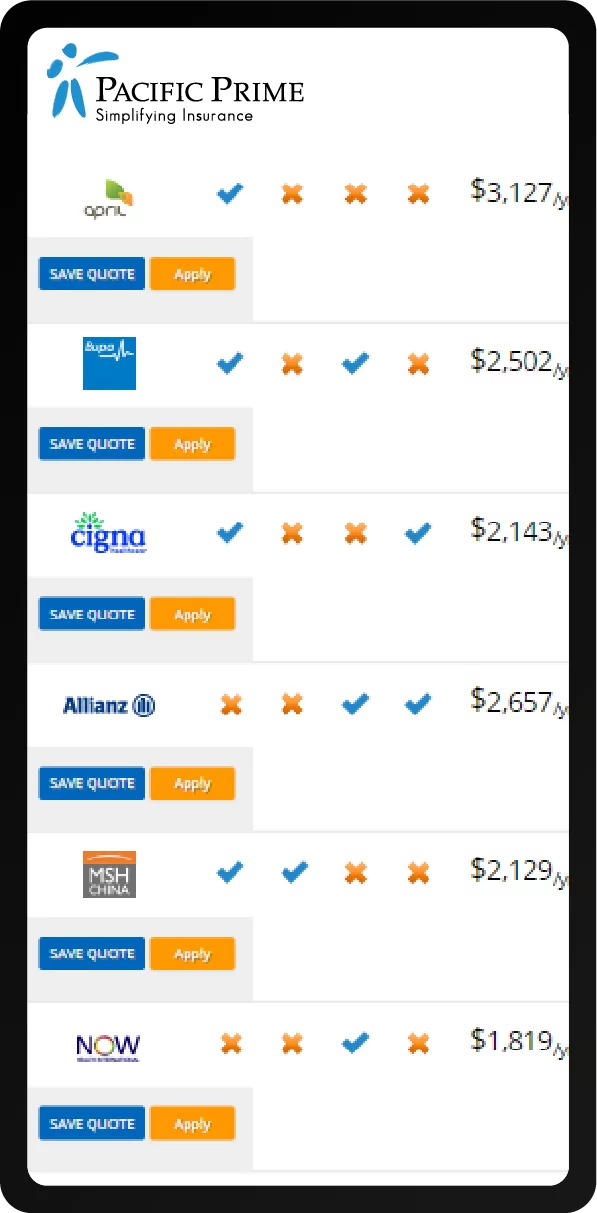
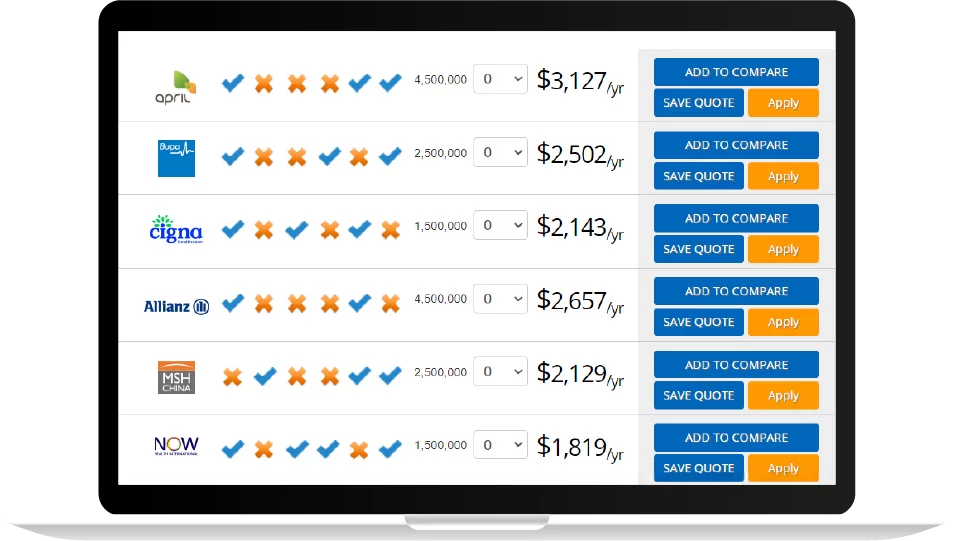
Discover the world's top
health insurers.
Compare quotes with
a click of the button.
Do you have a health insurance plan in Japan that you need to either cancel or switch? Unsure what steps you need to follow? This blog post will make that transition easier as we explain the simple steps to cancelling and switching your insurance plan as a foreigner living in Japan.
We’ll cover the differences in the process depending on if you’re ending or starting a job, moving to a new place in Japan, moving out of Japan for good, or want to open up a private insurance plan. This article is paced with useful tips, tricks, and facts that will help you out.
And don’t miss our webpage that explains how the healthcare system in Japan works and what private health insurance providers are the best for Japan travel!
How Foreigners Switch or Cancel Health Insurance in Japan
Here’s a recommended step-by-step guide for foreigners who want to cancel or switch health insurance in Japan:
- Identify the Reason: Are you switching jobs, moving, leaving Japan, or just changing coverage types?
Check Legal Requirements: Determine whether public insurance is mandatory for your visa/residency status. - Gather Documents: Passport/residence card, My Number card or notification, current insurance card, certificate of loss (if SHI), and/or proof of departure (if leaving).
- Start New Coverage: Enroll in SHI, NHI, or a private/international plan before old coverage ends.
- Receive New Insurance Card: Ensure you have valid coverage documentation.
- Submit Cancellation/Withdrawal Forms: Visit your municipal office (for NHI) or return insurance card to employer/insurer (for SHI).
- Return Old Insurance Cards: Required for both NHI and SHI cancellation.
- Pay Any Outstanding Premiums: Finalize premiums up to the cancellation date.
- Request Refunds (if Overpaid): Many municipalities refund overpaid premiums after withdrawal.
- Confirm Written Notice of Cancellation/Change: For your records and future visa/tax purposes.
- Update Your My Number/Address Records: If you moved to a new city or left Japan.
- Keep Receipts and Documents: Useful for tax, immigration, or future enrollment.
Required Documents for Canceling or Switching Health Insurance
Here’s a checklist of documents you’ll typically need when cancelling or switching insurance in Japan:
- Passport
- Residence card (or Alien Registration Card)
- My Number card or notification card (or other proof of My Number)
- Current insurance card (NHI or SHI)
- New insurance card or eligibility certificate (if switching to SHI or private plan)
- Certificate of Loss of Health Insurance (for SHI cancellation)
- Proof of departure (e.g., flight ticket) if permanently leaving Japan
- Bank account details (for refunds)
Expats often run into issues if their My Number card isn’t ready, if they lose the insurance card, or if forms are only in Japanese.
Costs, Deadlines, and Refund Rules
There are several costs, deadlines, and rules foreigners will want to follow to avoid additional penalties or charges.
NHI Premiums and Refunds
When you withdraw from NHI, your municipality recalculates premiums for the remainder of the fiscal year. If you overpaid, you may receive a refund. If you underpaid, you’ll receive a final payment slip.
SHI Final Payments
When SHI eligibility ends, you must return your insurance card and receive a “Certificate of Loss of Eligibility.” Any further coverage or claims will depend on your next insurance setup.
Avoiding Penalties
Failing to cancel public insurance or delaying enrollment in a new plan can result in liability for full medical costs. Municipalities may also continue billing premiums if you remain listed as enrolled.

How to Cancel National Health Insurance (NHI) in Japan
Expats can cancel NHI in Japan by submitting the withdrawal notification and returning their health insurance card to their local city ward office. This withdrawal process can look differently depending on if they are switching jobs, leaving Japan permanently, or moving within Japan.
When You Switch Jobs in Japan (NHI to SHI)
When expats in Japan get employer health insurance, they must notify the municipal office within 14 days to cancel NHI. If you continue using your NHI card after enrolling in SHI, you may be asked to repay medical costs.
Don’t forget these requirements:
- Return your insurance card. The card must be returned during withdrawal.
- Provide required documentation. Necessary documentation to withdraw typically includes your residence card, My Number card, NHI card, and/or proof of new employer coverage.
When You Leave Japan Permanently
If you plan to leave Japan, you must submit a moving out form (tenshutsu todoke 転出届) to your local ward office and cancel NHI accordingly. A flight ticket or similar travel document is usually required, and you must return your NHI Card.
The card’s validity will be adjusted to match your last day in Japan. If you overpaid, you may receive a refund. If you underpaid, you’ll get a final bill.
When Moving Within Japan (Different City/Ward)
If you relocate within Japan to a different ward or city, you must re-enroll in NHI for your new municipality. You cannot just transfer automatically.
Common Issues Foreigners Face When Cancelling NHI
- Not realizing cancellation is required. NHI doesn’t cancel automatically.
- Language barriers at city hall or with forms. This is especially true regarding My Number and identity verification.
- Forgetting to return the NHI card, or misunderstanding its use. Some expats assume mere departure cancels it.
- Overpaying or underpaying premiums. This can happen if withdrawal isn’t processed properly.

How to Cancel Employee Health Insurance (SHI) in Japan
If you are covered by employer-based health insurance and leave your job, the cancellation process is slightly different. Again, the steps vary depending on if you are simply quitting or changing jobs or if you’re switching to NHI or a private insurance plan.
When You Quit or Change Jobs
Your eligibility for SHI ends when your employment ends, and you must return your insurance card (typically within five days.) The insurer (or employer) issues a “Certificate of Loss of Eligibility,” needed for future enrollment elsewhere.
You must also return all cards/certificates, such as health cards or benefit certificates.
Switching From SHI to NHI (or Other Plans)
If you lose SHI coverage and aren’t immediately re-employed, you must register for NHI at your local municipality. You will need a Certificate of Loss of Eligibility. This document shows that your prior employer coverage ended. You will also need to bring your residence card, passport, or My Number.
Potential Issues for Expats
- Delay in employer processing may create insurance gaps. If no new coverage is arranged quickly, you might temporarily lack coverage.
- If you neglect to enroll in NHI or a private plan promptly. This could mean you end up uninsured or charged full medical costs.

Switching From a Japanese Public Plan to a Private Plan
Many expats consider switching to an international health insurance plan for broader global coverage or travel flexibility if they plan to leave Japan on occasion. They also switch for English-language customer support and medical care and the extra evacuation, repatriation, and maternity benefits.
Can You Opt Out of Public Insurance in Japan?
Because public insurance (NHI or SHI) is legally required for residents, you usually cannot fully opt out, but many expats keep public insurance and layer a private/international plan on top to supplement it.
What to Check Before Switching to Private Insurance
Before you switch over to private insurance, you’ll want to check if/how the following features are included in the plan you’re considering:
- Coverage for pre-existing conditions and waiting periods
- Policy coverage limits, especially for serious illness or evacuation
- Whether the plan allows reimbursement for overseas treatment (if you travel)
- How claim reimbursement works; many private plans require you to pay first, then claim later
How to Avoid Gaps in Coverage
Expats in Japan switching over to a private international insurance plan can avoid gaps in their coverage if they:
- Ensure your private plan starts before (or the same day) your public insurance ends.
- Overlap coverage by a day or two when switching to avoid being uninsured.
- Keep proof of enrollment and cancellation to avoid legal or financial problems later.

Reasons Foreigners Cancel or Switch Health Insurance
Foreigners and travelers living in Japan often change their insurance plan for one of the following life or employment reasons:
- Starting a job and switching from NHI to SHI
- Quitting a job and moving from SHI back to NHI
- Moving to a different city or ward within Japan
- Changing visa status or residency situation
- Leaving Japan permanently or moving abroad
- Wanting to switch to an international/private plan for broader coverage
- Preferring lower premiums, English-speaking support, or additional benefits
- Needing special coverage (e.g. maternity, mental health, travel) that public plans may not provide
Tips for Foreigners Cancelling or Switching Insurance
Foreigners and expats in Japan will want to bring a bilingual friend as a translator when they go to the city hall, have photocopies of all their documents, and return their insurance cards early instead of waiting till the last minute. Keep reading for more tips like these.
- Bring a Japanese-speaking friend or ask for English/“Easy Japanese” support at city hall. Municipal offices often have limited English services.
- Make photocopies (or photos) of all documents before submission. Useful if originals get lost.
- Return insurance cards early, not at the last minute. Helps avoid billing or administrative delays.
- Don’t wait until the week before departure. Start the process at least one to two weeks ahead. This gives time for refunds or final bills.
- Keep your Japanese bank account open until refunds arrive. Closing it too early may block refund transfers.
- If traveling frequently or leaving Japan again, consider a private/international plan for global coverage and flexibility.
Understanding Japan’s Health Insurance System
Public health insurance in Japan is broadly divided into two main schemes for foreigners: one for employed workers and another for residents who don’t have employer coverage. Expats who work enroll in the Employee Health Insurance scheme and those who don’t enroll in National Health Insurance.
Expats also have the option to enroll in private health insurance to supplement and fill in the gaps of either of the above insurance plans. Let’s discuss these three options in Japan’s healthcare system in greater detail.
National Health Insurance (NHI)
Many expats, such as students, freelancers, part-timers, or new arrivals, use NHI because they’re not covered by employer insurance. NHI premiums are calculated per household based on the prior year’s income plus a per-person levy.
Anyone living in Japan long-term who does not have employer-based insurance must enroll. The coverage benefits are similar to other public schemes. You pay a portion of medical costs (around 10–30%), while the system covers the remainder.
Employee Health Insurance (SHI/Social Insurance)
If you work full-time at a company, you generally qualify for employer-based insurance. The employer handles enrollment, and premiums are deducted from your salary. Because it is managed via employer payroll, there’s less paperwork on your side.
Private & International Health Insurance
Some expats prefer a private or international health plan, often for global coverage, English-language support, or extra benefits like evacuation or maternity coverage. This coverage typically serves as a complement to public insurance.
Because public insurance is mandatory, many people keep it and add private insurance; though private-only coverage may be used under special situations (short stay, special visa status, or travel-based stays).

Frequently Asked Questions
What happens if I forget to cancel NHI before leaving Japan?
If you don’t submit a withdrawal when leaving Japan, your municipal government may continue to bill you for NHI premiums. Any medical treatments charged after your departure could also require repayment.
Can foreigners legally opt out of Japanese public insurance?
Foreign residents with valid visas are required to be covered under either NHI or employer-based insurance (SHI). Private or international plans may supplement coverage, but rarely substitute public insurance entirely.
How do I switch from NHI to employer-based insurance?
You must submit a withdrawal notice to your local ward/city office within 14 days after enrolling in SHI. You also need to return your NHI card and provide proof of your new employer coverage.
Will I get a refund if I overpaid NHI premiums?
When you withdraw from NHI, the municipality recalculates premiums for the fiscal year. If you overpaid, they will usually issue a refund to your bank account.
Is there a gap in coverage during insurance transitions?
As long as you enroll in new coverage (SHI, NHI, or private) promptly and submit required paperwork, you can avoid gaps. Delay may result in temporary uninsured periods.
Conclusion
Canceling or switching health insurance in Japan is manageable, even for foreigners. If you plan ahead, gather required documents, and submit timely notifications, it can be done quite smoothly.
Whether you switch from NHI to SHI, move within Japan, or leave the country, following the correct steps helps avoid unexpected bills or coverage gaps. For expats seeking global flexibility or English support, pairing public insurance with a private or international plan can offer peace of mind.
To discuss your questions about a private plan with an international health insurance expert, contact our team online or call +852-3113-1331.
You can begin comparing quotes and plans from the top providers right away with our insurance quote generator that has over 50,000 plans in its database.
We recommend expats in Japan explore the following resources:
- Emergency Medical Coverage in Japan: What it Covers
- National Health Insurance Japan for Expats: Step-by-Step Enrollment Guide
- Living Abroad in Japan
- 12 Best Places to Live in Japan For Expats
- Cost of Living in Japan for Expats and Digital Nomads

Serena earned her Bachelor’s Degree in Psychology from the University of British Columbia, Canada. As such, she is an avid advocate of mental health and is fascinated by all things psychology (especially if it’s cognitive psychology!).
Her previous work experience includes teaching toddlers to read, writing for a travel/wellness online magazine, and then a business news blog. These combined experiences give her the skills and insights she needs to explain complex ideas in a succinct way. Being the daughter of an immigrant and a traveler herself, she is passionate about educating expats and digital nomads on travel and international health insurance.
- Top 9 Health Insurance Companies for Expats in Malta - October 7, 2026
- ISO Health Insurance for H-1B Visa Holders - September 21, 2026
- NICU Coverage for Expats: What Parents Should Know - September 21, 2026

Comments
Comments are disabled for this post
We'll notify you
when our team replies!