
Living in Malta as an American Expat: Costs, Visas, and Daily Life
Malta offers a lower cost of living, a safe environment, and an excellent healthcare system. Whether you’re planning to move permanently or work remotely, Malta combines Mediterranean charm with practical advantages like accessible visa programs and English as an official language.
Discover the world's top
health insurers.
Compare quotes with
a click of the button.
This guide covers what you need to know before relocating, including average living expenses, cultural differences, healthcare and education options, and how to retire or move to Malta with the right residency permits.
We’ll discuss average living expenses in Malta, what the lifestyle is like, the healthcare and education systems, and how to retire and move there.
What to Know Before Moving to Malta
If you’re an expat, digital nomad, or retiree thinking about living abroad in Malta, you’ll want to consider the cost of living in Malta, the cultural differences, what it’s like retiring there, and the process requirements of moving to Malta.
By the end of this article, you’ll be ready to read about the best places to live in Malta and check out our general guide for living abroad.
Malta vs. USA: Cost of Living Breakdown
On average, the cost of living in Malta vs. the USA is much cheaper. Generally, Malta is 20-30% less expensive than the United States. To explore how this looks, we’ll compare average prices for housing, food, transportation, and salaries for those living in Malta vs. the USA.
We are gathering these averages from LivingCost, and they are not intended to be exact amounts but rather to give you a ballpark impression of what products might cost.
Housing Costs Compared: Malta and the USA
On average, housing in Malta vs. in the USA is almost half as expensive. A 1-bedroom apartment downtown costs USD $1,020 per month in Malta, but USD $1,670 per month in the U.S. A cheap 1-bedroom apartment in Malta is USD $830 per month in Malta but USD $1,340 a month in the U.S.
Mortgage rates on a 20-year contract are about 4.54% in Malta but 6.41% in the U.S.
Grocery and Dining Costs in Malta
The average monthly food expenses in Malta are USD $511 vs. USD $651 in the USA. Overall, groceries are much cheaper in Malta than in the United States, and eating in a restaurant is also more affordable in Malta.
Here’s a breakdown of some average grocery prices to help you see the potential range of expenses:
- 1 qt of Milk is USD $1.32 in Malta vs. USD $1.11 in the USA
- 1 lb of Bread is USD $1.27 in Malta vs. USD $3.57 in the USA
- 2.2 lb of Rice is USD $3.57 in Malta vs. USD $4.43 in the USA
- 12 Eggs is USD $3.65 in Malta vs. USD $4.70 in the USA
- 2.2 lbs of Apples is USD $3.37 in Malta vs. USD $5.12 in the USA
- 2.2 lb of Potatoes is USD $2.01 in Malta vs. USD $2.83 in the USA
Here’s a breakdown of some average restaurant prices:
- Lunch: USD $18.10 in Malta vs. USD $19.50 in the USA
- Dinner: USD $82.60 in Malta vs. USD $76.50 in the USA
- Fast Food Meal: USD $11.20 in Malta vs. USD $11.50 in the USA
- Pepsi/Coke: USD $2.37 in Malta vs. USD $2.65 in the USA
Public Transport and Fuel Prices in Malta
In Malta, the average transportation expenses a month are USD $63.50 compared to the average in the United States, which is USD $101. Depending on the method of transport you prefer, public transportation in Malta is more than half as expensive as in the US, but driving a car is more expensive.
Here are some estimates to give you an idea:
- Local Transport Ticket: USD $2.60 in Malta vs. USD $2.35 in the USA
- Monthly Ticket Local Transport: USD $23.30 in Malta vs. USD $69.50 in the USA
- Taxi Ride, 8 km: USD $28.30 in Malta vs. USD $18.40 in the USA
- ¼ gallon of Gas: USD $1.55 in Malta vs. USD $0.92 in the USA
Average Salaries in Malta vs. the USA
As of December 2025, the average monthly salary in Malta is around USD $1,788 after tax. The average salary in the USA is USD $4,539 per month after tax. These are averages, so depending on your profession, you could make more or less.
Is Living in Malta Affordable?
Malta is considered a cheap country to live in, especially compared to Western and Northern Europe. Malta ranked 30th on the list of the most expensive countries to live in, but the United States ranked as the ninth most expensive.
Malta has a comfortable standard of living. It’s also a safe place with a US level 1 ranking for its crime rate, which suggests you exercise normal precautions.
Other factors that affect whether or not Malta is expensive to live in would be their healthcare and education systems.
Healthcare System and Insurance Options in Malta
Even though it’s a small island, Malta’s healthcare system is ranked as one of the best in the world and one of the best in European countries. Malta’s systems provide free services to citizens and EU residents with an EHIC card.
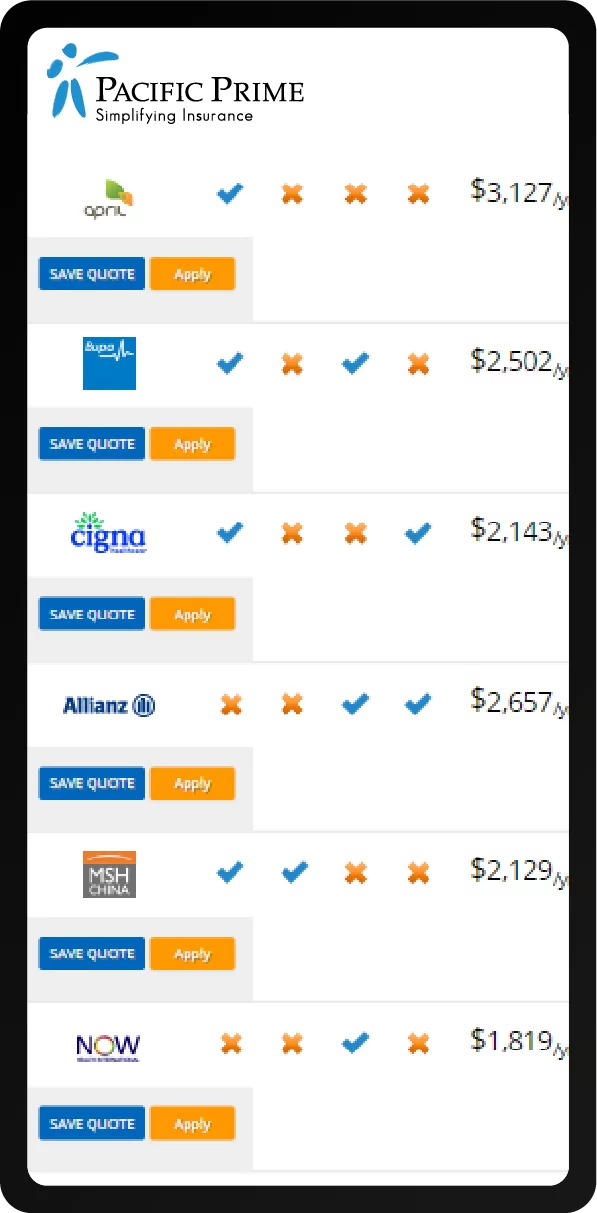
If you’re a non-EU citizen living in Malta, you’ll be required to get private health insurance. This price is dependent on your personal situation and needs, and Pacific Prime is happy to help you find the private health insurance in Malta that is perfect for you.
You can also check out our international health insurance plans that cover you no matter what country you’re in at the time you need care.
Schooling and Education for Families in Malta
Malta’s education systems offer state schools, church schools, and independent schools, so you’re sure to find one that’s right for you. The curricula most resemble those of the British curriculum, with a range of subjects that have mid-year and final exams.
- State Schools: All students can attend state schools, and the transport and school materials are free. You must only purchase a school uniform.
- Church Schools: All Church schools belong to the Catholic Church, and they do not charge school fees, though parents are asked to give an annual donation as well as pay for the school supplies and uniforms.
- Independent Schools: There are a fair number of international schools among the independent ones that cater to foreign students, such as children of expats. At these institutions, parents pay school fees and buy supplies, uniforms, and transportation.
What Americans Should Know About Life in Malta
If you’re planning to live in Malta as an American, the lifestyle and cultural differences may come as a bit of a shock and take some getting used to. Some of those changes have to do with the religion in Malta, their concept of time, and their language.
Religion and Traditions in Maltese Culture
In Malta, the state religion is Roman Catholicism, and the biggest holidays celebrated are the Catholic festivals and saints’ feast days. Their more orthodox, traditional Catholic views about family and gender roles also influence their behaviors, expectations, and interactions with others.
Adjusting to Malta’s Relaxed Lifestyle
Another big difference is how slow-paced and relaxed Maltese people are. If you want to retire here, this relaxed lifestyle may be exactly what you are looking for. If not, it may come as a bit of a shock and help you develop more patience.
Language in Malta: English and Maltese
English is an official language in Malta, which means you can get by just fine without learning Maltese, but if you want to fully integrate and make friends with the locals, it’s well worth the effort to learn their language.
How to Retire in Malta as an American
If you are planning on retiring in Malta from the USA, you will either need a permanent residence visa to join the Malta Permanent Residence Program or to gain Malta citizenship. Some expats are able to retire here with just USD $2,600/month for living expenses or less.
Once you have legally become a resident in Malta, we recommend getting private health insurance so you can have access to the private hospitals. In fact, this is required to join the Malta Retirement Program.
By joining the Malta Retirement Program, you can get a special tax status with a flat rate of 15% on any foreign pension income received in Malta.
To join the Malta Retirement Program, you must:
- Receive a pension that makes up 75% of taxable income.
- Must make Malta their primary residence.
- Must own or rent a qualifying property as a primary residence.
- If owning property: €275,000 in Malta or €220,000 in Gozo/South Malta.
- If renting property: €9,600/year in Malta or €8,750/year in Gozo/South Malta.
- Must have a clean criminal record.
- Must have private health insurance covering the EU.
- Must have sufficient financial resources to support themselves.
- Must provide a valid travel document.
- Must not benefit under any of Malta’s other residency programs (e.g., the Global Residence Programme or the Malta Residence Programme).
Steps to Move from the USA to Malta
To move to Malta from the USA, you’ll need either a temporary visa, permanent residency, or to gain citizenship. To get these permits, it may take a few weeks up to a few months, so you’ll want to apply and plan ahead. There are also fees to apply.
Moving to Malta can be a bit of a process, so here are some different methods you can use to move to your new home.
Temporary Visas:
- Schengen short-stay C-Visa: valid for a 90-day visit
- Schengen long-stay D-Visa: can apply for this additional visa for a 3-month visit on top of your 90 days for the C-Visa
- Nomad Residence Permit: for digital nomads working overseas
Permanent Residency:
- Nomad Residency Permit
- Ordinary Residence Scheme/Self-Sufficiency for EU Citizens
Citizenship:
- By marriage
- By naturalization
- By investment
Conclusion
Malta is a beautiful island in the Mediterranean Sea and the perfect place to kick back and retire or work from home on the beach. Now that you have a better idea of the cost of living in Malta, what the cultural differences are like, and what types of visas or permits you need, you’re almost ready.
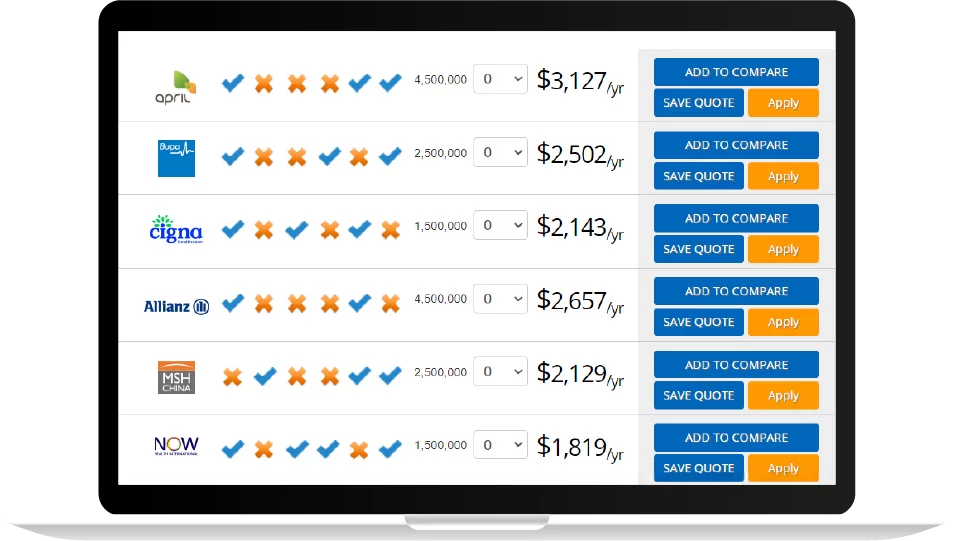
Now it’s time to select the healthcare plan that’s right for you and your family. Let us make it easy on you! Get a free quote today!
If Malta doesn’t quite seem like the right country for you, consider moving to Poland or Italy. Happy travels!

With her background as an avid traveler and as an exchange student in Spain, Palida values the benefits of insurance and understands the frustrations that may come with making the best decisions for your health and safety in an unknown environment. Here at Pacific Prime, she aspires to create content that will help expats and travelers understand international health insurance with ease.
In her spare time, Palida enjoys reading short stories as much as binging on sitcoms. She is also a self-proclaimed "foodie" with the goal of trying as many cuisines from all over the world as possible. Combining her passion for writing with her love for food, she is an aspiring Google Local Guide reviewer.
- Pediatric Healthcare in Mexico for Expat Families (2026 Guide) - August 25, 2026
- LUMA Thailand Insurance Guide for Expats in 2026 - July 29, 2026
- GIG Gulf Insurance for Dubai Expats in 2026 - April 27, 2026
Comments
2 Comments
Are there any wellness and preventive care services in Malta that are particularly recommended for expats?
Malta offers a variety of wellness and preventive care services that expats can benefit from, such as health screenings at private clinics, vaccinations, and fitness programs at wellness centers. For preventive care, Mater Dei Hospital and private facilities like St. James Hospital are popular choices for their comprehensive health check-ups. Many expats also recommend exploring services like yoga retreats and spa treatments in Gozo or Sliema for holistic wellness.
To ensure seamless access to healthcare services in Malta, having private health insurance is essential. Contact us via our Contact Us page to find a tailored health insurance plan that covers both preventive and emergency care.
Ask a Question
We'll notify you
when our team replies!