
Emergency Medical Coverage in Japan: What It Covers
Emergency medical coverage in Japan covers inpatient and outpatient care, emergency room costs, ambulance and transportation costs, prescription medications, emergency dental treatment, and care for pre-existing condition emergencies.
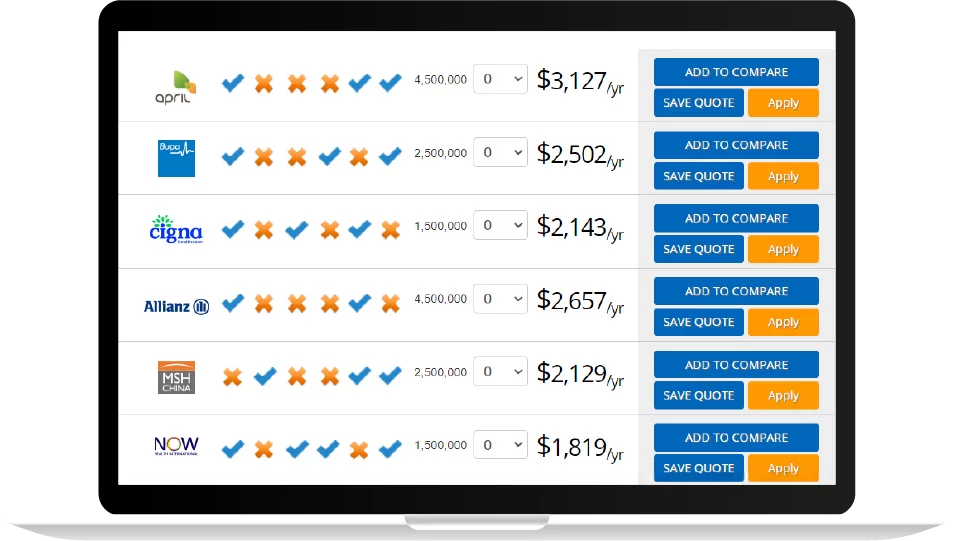
Discover the world's top
health insurers.
Compare quotes with
a click of the button.
Are you a traveler in Japan or heading to Japan? Not sure what emergency medical coverage actually insures as either part of a travel insurance plan or international health insurance plan?
We’ve got you covered. This article will detail the standard benefits covered by emergency medical insurance, what situations and services aren’t covered, common questions and concerns travelers have about emergencies abroad, and our tips and advice to be prepared before an emergency ever occurs.
Don’t miss our webpage that explains how the healthcare system in Japan works and what private health insurance providers are the best for Japan travel.
What Emergency Health Insurance Actually Covers in Japan
Emergency medical insurance provides financial protection by covering urgent treatment, hospitalization, and essential services when unexpected illnesses or accidents occur in Japan, ensuring you receive prompt care without paying the full cost out of pocket.
What This Covers:
- Hospital-Based Emergency Care: Insurers typically cover emergency room evaluations, urgent diagnostics, and immediate treatment needed to stabilize your condition.
- Broad Protection Abroad: Most international plans are designed to handle crisis situations globally, offering reliable support in Japan’s advanced medical system.
Let’s look at the most common coverage benefits in more detail.
Inpatient and Outpatient Emergency Treatment
Emergency insurance covers both inpatient hospital stays and urgent outpatient care, allowing you to receive diagnostic tests, treatment, and follow-up support after sudden injuries or illnesses while avoiding high upfront medical expenses.
What This Covers:
- Inpatient Care: Plans commonly include coverage for room charges, nursing services, procedures, and medications administered during hospitalization.
- Outpatient Treatment: Urgent clinic visits, wound treatment, and time-sensitive interventions are often reimbursed or directly billed through insurer networks.
Emergency Room and Urgent Care Visits
Emergency health insurance typically includes coverage for costs associated with emergency room assessments, urgent treatment, and specialist consultations, helping patients receive immediate medical attention while limiting the financial burden of hospital-based emergency services.
What This Covers:
- Initial Evaluation and Testing: Emergency diagnostics such as X-rays, bloodwork, and imaging scans are generally included when medically necessary.
- Specialist Consultation: ER doctors and on-call specialists are usually covered when required to diagnose or stabilize your condition.

Ambulance and Emergency Transport Services
Emergency medical insurance often covers ambulance transportation, ensuring you can reach a hospital quickly without worrying about additional charges for urgent transport within Japan during a crisis.
What This Covers:
- Ambulance Transport: Although ambulances are free in Japan, insurers still cover medically necessary transfers or specialized transport between facilities.
- Medical Escort Services: Some international plans include evacuation or medical escort benefits for severe or complex cases.
Prescription Medication for Urgent Needs
Coverage typically includes the cost of prescription medications required for emergency treatment, ensuring you can access essential drugs immediately without incurring the full retail cost at Japanese pharmacies.
What This Covers:
- Immediate Medication: Pain relief, antibiotics, antiviral treatments, and stabilization medications are usually covered if prescribed during emergency care.
- Short-Term Prescriptions: Most plans extend coverage to short-term outpatient prescriptions linked to your emergency visit.
Emergency Dental Treatment
Emergency dental coverage applies when you experience acute pain, infection, or trauma, helping you access necessary dental procedures quickly and reducing out-of-pocket costs for urgent oral care.
Typical Scenarios Covered:
- Dental Trauma: Treatments for broken teeth or impact injuries are often included.
- Infection Control: Antibiotics, drainage, and other urgent interventions are commonly covered when required for stabilization.
Pre-Existing Condition Emergencies (Depending on Plan)
Some international insurance plans offer emergency coverage for pre-existing conditions, ensuring individuals with chronic illnesses can still receive urgent care in Japan when sudden complications arise.
Coverage Variability:
- Plan-Dependent Benefits: Support ranges from full emergency coverage to partial exclusion depending on the insurer and underwriting process.
- Medical Stability Rules: Many plans require your condition to be “stable” for a set period before providing coverage.

What’s Not Covered in a Standard Japan Emergency Policy
A standard emergency medical policy in Japan excludes non-urgent, elective, or routine services, meaning travelers and expats should not expect coverage for planned care, preventive treatment, or other benefits unrelated to sudden illnesses or accidents.
- Routine Medical Care: Most emergency-only plans exclude checkups, physical exams, and ongoing primary care services that are not directly related to an urgent medical event.
- Elective or Planned Procedures: Scheduled surgeries, non-urgent treatments, and pre-arranged specialist visits fall outside the scope of emergency coverage and must be paid for privately.
- Chronic Condition Management: Long-term treatment for chronic illnesses—such as regular medication refills or ongoing monitoring—is not included unless the policy specifically offers extended health benefits.
- Non-Urgent Prescriptions: Medications unrelated to an acute medical episode are generally excluded, especially if they are routine or maintenance-based.
- Mental Health and Behavioral Care: Counseling, therapy sessions, and non-emergency psychiatric treatment are usually not covered by emergency-only plans.
- Pregnancy and Maternity Care: Regular prenatal appointments, childbirth, and postpartum care are typically excluded unless the visit is for an emergency complication.
- Preventive and Wellness Services: Vaccinations, screening tests, immunizations, and wellness programs remain outside emergency coverage since they are not medically urgent.
- Medical Tourism or Cosmetic Treatments: Procedures performed for aesthetic, elective, or non-medical reasons are excluded from all emergency-focused policies.
- Non-Medically Necessary Transport: Ambulance use without genuine medical necessity, or transportation for convenience, is not reimbursable.

Why Emergency Coverage Matters for Travel in Japan
Emergency medical coverage matters in Japan because foreigners are typically required to pay the full cost of urgent treatment upfront unless they hold Japanese public insurance, making proper international or travel coverage essential for financial protection and immediate care access.
Here are some of the reasons why travelers in Japan should secure emergency medical coverage:
- High Out-of-Pocket Costs: Treatment for emergencies can be significantly more expensive for uninsured visitors, as they may be charged full private rates rather than the subsidized fees available to Japanese residents.
- Upfront Payment Expectations: Hospitals frequently require immediate payment from travelers and newly arrived expats, which can create financial strain during an urgent situation if they don’t have adequate insurance.
- Limited Coverage From Home-Country Plans: Domestic health insurance from countries like the U.S., Canada, or Australia typically provides little or no direct support abroad, forcing travelers to rely solely on their own funds until reimbursement—if reimbursement is even allowed.
- Emergency Transport Costs: While ambulance rides in Japan are free, emergency room evaluations, tests, and treatments are not, and uninsured patients can face substantial bills for diagnostic scans or specialized services.
- Protection During Transitions: New expats often experience a gap before joining Japan’s National Health Insurance, and emergency coverage fills this temporary risk period by safeguarding against sudden medical expenses.
- Reliable Support During Crises: International insurance plans offer 24/7 helplines, care coordination, and translation support, which can be crucial in navigating a medical system where English availability varies widely.
Does Your Home Insurance Cover Emergencies in Japan?
Home-country insurance generally offers limited or no direct emergency coverage in Japan, meaning most travelers must pay medical costs upfront and rely on reimbursement—if their plan even includes overseas benefits or emergency provisions at all.
Here are some of the reasons your home country insurance is unreliable while abroad in Japan:
- Restricted Overseas Benefits: Most domestic insurance plans only provide minimal international coverage, often excluding emergency treatment received outside the provider network or outside national borders.
- Reimbursement Instead of Direct Billing: Foreign insurers rarely arrange direct payment with Japanese hospitals, requiring patients to pay first and file a detailed claim afterward using receipts and medical reports.
- Coverage Gaps for High-Cost Care: Emergency room visits, diagnostic imaging, and specialist treatment may exceed the limits of travel add-ons on domestic policies, leaving patients financially vulnerable abroad.
- Variable Support Based on Country: Residents of the U.S., Canada, Australia, and the UK often discover their standard health plans do not include comprehensive overseas emergency care unless they purchase separate travel or international medical coverage.
Understanding Emergency Care Costs in Japan
Emergency care in Japan can be affordable for insured residents but significantly more expensive for travelers and uninsured expats, who are typically required to pay the full cost of treatment upfront before filing any reimbursement claim.
- Emergency Room Fees: ER visits can range from moderate to high costs, depending on the hospital, required tests, and specialist involvement, with uninsured patients paying the full amount at the time of treatment.
- Diagnostic Testing Costs: Services like CT scans, MRIs, and bloodwork can add substantial expense, especially when multiple tests are required to diagnose or stabilize a patient during an emergency visit.
- Specialist and After-Hours Charges: Seeing an emergency specialist or receiving care outside standard clinic hours often results in higher fees, which can quickly increase the total cost for uninsured individuals.
- Medication and Treatment Expenses: Emergency prescriptions and in-hospital treatments are charged at full price for visitors without Japanese public insurance, with costs varying based on dosage, medication type, and treatment duration.
- Hospital Stay Costs: Overnight stays or inpatient care can become costly, as room fees, nursing services, and procedures are billed individually and must be paid upfront before discharge.
- Cost Differences for Insured Residents: Japan’s National Health Insurance significantly reduces these expenses for residents, covering 70% of medical costs, leaving patients responsible only for the remaining 30%.

What To Do If You Have a Medical Emergency in Japan
If you experience a medical emergency in Japan, call emergency services immediately, seek urgent medical attention, and contact your insurer’s emergency hotline for guidance on payment, translation, and claims. Emergency calls are free: dial 119 for ambulance/fire or 110 for police.
Follow these steps in a crisis situation:
- Call Emergency Services Immediately: Dial 119 for ambulance or fire, or 110 for police, and clearly state your location and the nature of the emergency so responders can reach you quickly.
- Describe the Situation Succinctly: Give concise details—the number of injured, symptoms, and any life-threatening signs—so dispatchers can prioritize response and send appropriate medical personnel.
- Ask for an Interpreter if Needed: Request an English-speaking operator or ask the dispatcher to connect you to interpretation services if language is a barrier while you stay on the line.
- Go to the Nearest Hospital rr Await Ambulance: If ambulance transport is available and required, accept it. Transportation is free, but you may need to pay treatment costs at the hospital.
- Present Insurance and ID at the Hospital: Give your passport, insurance card/policy number, and emergency contact details to hospital staff to speed billing and care coordination.
- Contact Your Insurer’s Emergency Hotline: Call your insurer immediately to report the event; they can advise on direct billing, payments, translations, and help arrange repatriation if medically necessary.
- Keep Detailed Records and Receipts: Save all medical reports, itemized bills, prescriptions, and receipts, as insurers usually require these documents for reimbursement claims.
- Notify Your Embassy or Consulate if Needed: Contact your country’s embassy or consulate for assistance with medical referrals, language help, or emergency travel documents.
- File Your Insurance Claim Promptly: Submit complete documentation to your insurer as soon as possible, following their claims process to avoid delays or denials.

Best Insurance Options for Emergency Coverage in Japan
Travelers in Japan can choose between international insurance, travel medical insurance, and short-term or long-term insurance plans. The best plans ensure travelers receive urgent care without incurring high out-of-pocket costs, direct support, 24/7 assistance, and tailored coverage.
Key Features to Look for:
- Comprehensive Emergency Coverage: Plans should include inpatient, outpatient, ER visits, ambulance transport, and prescription medications.
- 24/7 Assistance: Insurers with round-the-clock support help coordinate care, provide translators, and advise on hospital selection.
- Repatriation and Evacuation Benefits: Critical coverage includes medical evacuation to your home country or nearby facilities if needed.
- Flexible Policy Duration: Options for short trips, long-term stays, or expatriate assignments ensure continuous coverage.
International Health Insurance Plans
International health insurance is ideal for long-term expats or frequent travelers, offering extensive benefits that cover emergencies, chronic condition flare-ups, and hospitalizations in Japan and abroad.
Why Choose This Option:
- Global Network Access: Direct billing and large hospital networks reduce financial and logistical burdens.
- Customizable Plans: Coverage levels, deductibles, and additional benefits can be tailored to your needs.
- Pre-Existing Condition Coverage: Some policies provide emergency care for certain pre-existing conditions, depending on stability and underwriting.
Travel Medical Insurance Plans
Short-term travel medical insurance protects visitors or temporary residents, covering urgent treatment, emergency evacuation, and hospital care during their stay in Japan.
Benefits Include:
- Affordable Coverage: Lower premiums for temporary stays without committing to long-term international plans.
- Emergency-Only Focus: Designed to cover acute illnesses, injuries, or accidents rather than routine care.
- Flexible Duration: Policies can span days, weeks, or months depending on travel plans.
Plans Suitable for Short Trips vs. Long-Term Expats
Choosing the right plan depends on length of stay. Short-term travelers often need coverage focused on emergencies, while long-term expats benefit from comprehensive international plans that cover ongoing health needs.
Considerations:
- Short-Term Travelers: Prioritize emergency, evacuation, and inpatient coverage with simple claim processes.
- Long-Term Expats: Include outpatient care, maternity, dental, and chronic conditions in addition to emergency benefits.
- Renewal Flexibility: Ensure plans can be extended or converted to maintain continuous protection without coverage gaps.
Why Choose Pacific Prime for Comparing Policies
Pacific Prime simplifies selecting the right emergency coverage by comparing multiple international and travel insurance plans, helping expats and travelers find policies that fit their health needs and budget.
Advantages of Using Pacific Prime:
- Expert Guidance: Advisors explain coverage details, exclusions, and benefits for Japan-specific emergencies.
- Transparent Comparison: Side-by-side plan comparisons allow informed decisions based on cost, coverage, and network access.
- 24/7 Support: Assistance is available for claims, policy management, and emergency coordination while abroad.
Learn more about why travelers consult insurance brokers here.


Tips for Preparing Before You Travel or Relocate to Japan
To prepare for your trip to Japan, travelers should gather their essential documentation, know the local medical facilities, get medical insurance, and prepare financially. Proper preparation ensures you can handle emergencies smoothly while in Japan, minimizing stress and financial risk.
Taking the following key steps before departure improves safety, access to care, and confidence during your stay.
Bring Essential Documentation:
- Passport and ID Copies: Keep digital and physical copies of your passport, insurance card, and emergency contacts readily accessible.
- Medical History Records: Carry a summary of allergies, chronic conditions, and previous treatments for quick reference in emergencies.
- Medication List: Include prescription names, dosages, and generic equivalents to facilitate care abroad.
Know Local Medical Facilities:
- Locate Nearby Hospitals: Identify hospitals and clinics in your area that accept foreign patients or English-speaking services.
- Research Specialist Availability: Understand where you can access emergency specialists if needed.
- Keep Emergency Numbers Handy: Save local emergency numbers (119 for ambulance/fire, 110 for police) and your embassy contacts.
Arrange Insurance Coverage:
- Purchase Travel or International Insurance: Ensure your travel plan includes emergency, hospitalization, evacuation, and prescription coverage.
- Check Policy Exclusions: Verify which conditions, treatments, and procedures are not covered to avoid surprises.
- Understand Reimbursement Procedures: Know how to file claims and submit receipts if upfront payment is required.
Plan for Language Support:
- Translation Services: Use insurer-provided interpreters or apps to communicate effectively with medical staff.
- Emergency Phrases: Learn key Japanese medical terms or phrases for urgent situations.
Prepare Financially:
- Have Credit Cards Ready: Many hospitals require upfront payment for uninsured patients, even in emergencies.
- Know Local Costs: Familiarize yourself with typical treatment and medication expenses to plan for potential out-of-pocket payments.
Emergency Contacts:
- Embassy and Consulate Information: Keep contact details for your home country’s embassy or consulate in Japan.
- Local Support Network: Share your travel plans with friends or family who can assist if a medical emergency arises.
Frequently Asked Questions
Will U.S. health insurance cover a medical emergency in Japan?
U.S. health insurance usually provides limited or no coverage in Japan, making supplemental travel or international medical insurance essential. Many American plans require you to pay costs upfront abroad before filing a reimbursement claim once you return home.
What does medical emergency insurance cover?
Emergency medical insurance generally covers urgent treatment, hospital stays, ambulance transportation, and sometimes emergency evacuation. These plans are designed to protect you from unexpected, high-cost situations and ensure you receive immediate care without overwhelming out-of-pocket fees.
What do I do if I have a medical emergency while in Japan?
If you face a medical emergency in Japan, seek immediate care at the nearest hospital and contact your insurer’s emergency assistance line. Your insurer can guide you through payment procedures, documentation, and hospital coordination to ensure you receive timely support.
How much does it cost to see a doctor in Japan as an American?
Doctor visits in Japan usually cost far less than in the U.S., but uninsured foreigners typically pay the full rate. A basic consultation often ranges from modest to moderate fees depending on the clinic, treatment, and required tests.
What types of emergencies are covered by insurance in Japan?
Insurance in Japan typically covers urgent incidents such as severe illness, injuries, infections, fractures, and sudden medical complications. Emergency-focused plans may also include ambulance services, hospitalization, and essential diagnostic tests needed to stabilize and treat your condition.
Conclusion
Emergency medical coverage is essential for anyone traveling or living in Japan, ensuring access to urgent care without facing overwhelming costs.
By understanding what your home insurance covers, selecting the right international or travel plan, and preparing documentation, travelers and expats can handle emergencies confidently.
Proper planning, awareness of local healthcare systems, and reliable insurance not only protect your health but also provide peace of mind, allowing you to focus on enjoying your time in Japan safely.
To discuss your questions with an international health insurance expert, contact our team online or call +852-3113-1331.
You can begin comparing quotes and plans from the top providers right away with our insurance quote generator that has over 50,000 plans in its database.
We recommend expats in Japan explore the following resources:
- Health Insurance for Short Stays in Japan: Temporary and Flexible Options
- How to Cancel or Switch Your Health Insurance in Japan
- Living Abroad in Japan
- 12 Best Places to Live in Japan For Expats

Serena earned her Bachelor’s Degree in Psychology from the University of British Columbia, Canada. As such, she is an avid advocate of mental health and is fascinated by all things psychology (especially if it’s cognitive psychology!).
Her previous work experience includes teaching toddlers to read, writing for a travel/wellness online magazine, and then a business news blog. These combined experiences give her the skills and insights she needs to explain complex ideas in a succinct way. Being the daughter of an immigrant and a traveler herself, she is passionate about educating expats and digital nomads on travel and international health insurance.
- Top 9 Health Insurance Companies for Expats in Malta - October 7, 2026
- ISO Health Insurance for H-1B Visa Holders - September 21, 2026
- NICU Coverage for Expats: What Parents Should Know - September 21, 2026

Comments
Comments are disabled for this post
We'll notify you
when our team replies!