
How to Enroll in, Pay for & Manage Health Insurance in Japan
Foreigners staying in Japan for longer than three months are required by law to enroll in one of the country’s public health insurance schemes. These plans provide coverage for basic medical needs up to 70% of the medical fees. The insured then covers a 30% copay.
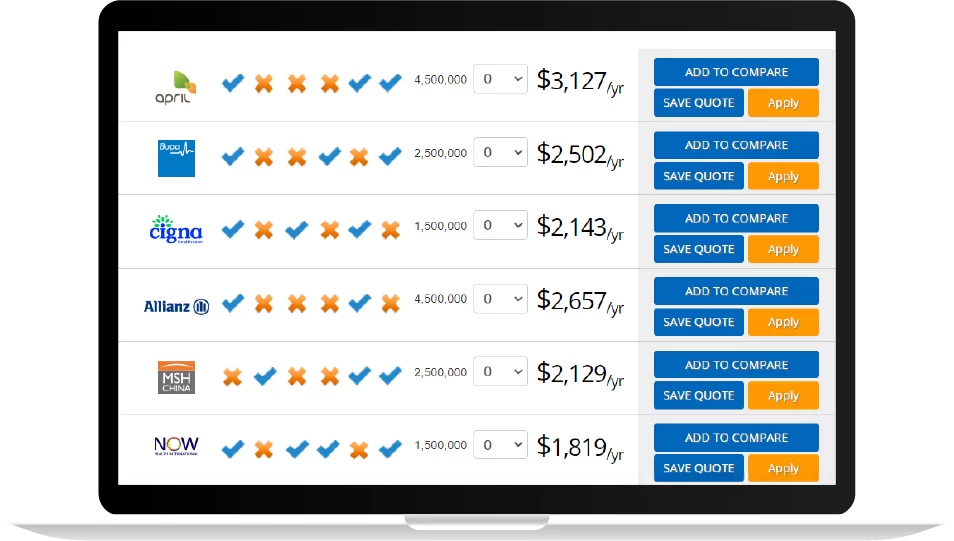
Discover the world's top
health insurers.
Compare quotes with
a click of the button.
Are you a foreigner who will be living in Japan for three months or more? Need help figuring out what types of insurance are available in Japan and which one is right for you?
This article will detail all the types of health insurance foreign nationals could qualify for, how to apply for them, ways to pay your medical bills, and even how to manage your health insurance.
Don’t miss our webpage that explains how the healthcare system in Japan works and what private health insurance providers are the best for Japan travel.
How Foreigners Apply for Health Insurance in Japan
Foreigners apply for health insurance in Japan by enrolling in either the National Health Insurance system (NHI) or Employee Health Insurance shortly after arrival. The process requires submitting residency documents at a local city office or through an employer.
This enrollment is mandatory for anyone staying longer than three months and ensures access to Japan’s standardized, subsidized healthcare benefits.
Review the following enrollment requirements:
- Required Documents: Most foreigners need a residence card, passport, and My Number card, along with proof of address, to complete enrollment. City offices may request additional forms depending on your visa category.
- Enrollment Deadline: Foreigners must register for health insurance within 14 days of receiving their residence card to avoid penalties or back payments. Missing this deadline can result in being billed retroactively.
- Where to Apply: Enrollment for National Health Insurance happens at the municipal city hall, while Employee Health Insurance is processed directly through your employer’s HR or payroll department.
- Eligibility Considerations: Foreign residents staying longer than three months are required to join the system unless covered by an employer plan. Short-term visitors and temporary tourists are not eligible for public insurance.
- Common Processing Times: Approval typically occurs immediately for NHI, allowing same-day issuance of a temporary health insurance card. Employer insurance usually activates within a few days after HR submits your forms.
- Costs and Premium Setup: Premiums for NHI are based on your previous year’s income and household size, while Employee Health Insurance contributions are deducted from monthly paychecks automatically.
Steps to Enroll in Health Insurance
- Prepare Required Documents: See list above.
- Register Your Residence: If not already done, register your address at the municipal ward or city office within 14 days of moving. The residence registration (jūminhyō) is often required to proceed with insurance enrollment.
- Go To The Municipal Office: For National Health Insurance, visit the city or ward office’s National Health Insurance counter during business hours and request the NHI enrollment form. Bring your prepared documents and allow time for questions.
- Complete The Application Form: Fill out the NHI application or sign employer-provided Employee Health Insurance forms carefully, including dependants’ information and previous coverage details: mistakes can delay activation or premium calculations.
- Employer Submission (If Employed): If you qualify for Employee Health Insurance, submit forms and your residence card to HR so they can register you with the insurer and Japan Pension Service. Contributions will be set up through payroll.
- Receive Your Insurance Card: After processing, you will receive a green NHI card or a social insurance card from your employer. Keep this card with you when visiting clinics to receive 70% coverage at point of care.
- Set Up Premium Payments: For NHI, arrange payment methods (bank transfer, convenience store, or city collection) and expect premiums calculated on prior-year income. Employee contributions are usually payroll-deducted automatically.
- Report Changes Promptly: Notify the municipal office or your employer immediately if your address, visa status, employment, or household composition changes to avoid incorrect billing or coverage gaps.

Types of Health Insurance for Foreigners in Japan
Foreigners in Japan can access several types of health insurance through public and private systems, each offering different eligibility rules and cost structures that meet the medical needs of residents staying longer than three months.
These systems ensure standardized nationwide coverage but differ in how premiums are calculated and how enrollment occurs.
- Public health insurance includes Employee Health Insurance and National Health Insurance, which are mandatory for most residents, while the Long Life Medical Care System supports seniors.
- Private health insurance is optional and supplements gaps in public coverage.
Employee Health Insurance in Japan
Employee Health Insurance covers foreigners working full-time for eligible Japanese employers, providing comprehensive medical benefits and pension contributions through shared employer–employee premiums. Enrollment occurs automatically through human resources.
Foreigners with stable employment and at least weekly contracted hours generally qualify, though part-time workers may be included if they meet income and hour thresholds. Compared with NHI, premiums depend on current salary rather than prior-year income.
Japan National Health Insurance (NHI)
National Health Insurance (NHI) is designed for foreigners not covered by employer insurance, including students, freelancers, dependents, and unemployed residents. Enrollment occurs at the city or ward office, and coverage begins once registration is completed.
NHI premiums vary by municipality and are calculated using the previous year’s income, household size, and local tax rates. This makes the system distinct from Employee Health Insurance, which uses real-time salary-based contributions.
Long-Term Care Insurance System (LTCI)
The Long Life Medical Care System provides coverage for residents aged 75 and older, including foreign seniors who are long-term residents in Japan. Premiums are automatically deducted from pensions or billed through municipalities.
This system differs from other insurance types because eligibility is age-based rather than employment-based or residency-category-based. It includes enhanced subsidies and reduced copayments to support older adults with higher medical needs.
Private Health Insurance in Japan
Private health insurance offers supplementary protection for foreigners seeking coverage beyond standard public benefits, including higher hospital room allowances, international treatment options, and additional financial support during serious illness.
Eligibility varies by insurer, but most foreigners with legal residency can apply. Unlike public systems, private policies are optional and customizable, making them an attractive add-on for expatriates concerned about international mobility or high out-of-pocket costs.

How Foreigners in Japan Pay for Health Insurance
Foreigners in Japan pay for health insurance through payroll deductions, municipal billing statements, or optional private insurance premiums, depending on which system they are enrolled in. Each method follows strict payment cycles set by government rules.
Payment processes vary significantly between employer-based insurance and National Health Insurance, so foreigners must understand how billing works to avoid penalties or coverage lapses.
- Payroll Deductions (Employee Insurance): Foreigners covered by Employee Health Insurance have premiums automatically deducted from their monthly salary. Employers contribute roughly half of the total premium, reducing out-of-pocket costs for foreign workers.
- Municipal Billing (National Health Insurance): NHI members receive payment slips from their city or ward office several times per year. Payments can be made at convenience stores, municipal counters, banks, or through automatic bank transfer.
- Annual Premium Calculation: NHI premiums are calculated every fiscal year based on the previous year’s income and household composition. Foreigners with newly issued residence cards may initially pay lower estimated premiums until full tax data becomes available.
- Setting Up Automatic Payments: Many municipalities allow foreign residents to enroll in automatic bank withdrawal to prevent missed payments. This is especially helpful for expatriates unfamiliar with Japan’s billing cycles or payment deadlines.
- Convenience Store Payments: Convenience stores like 7-Eleven, Lawson, and FamilyMart accept health insurance payment slips. This option is popular with foreigners because it requires no Japanese bank account or online setup.
- Using a Japanese Bank Account: Foreigners with Employee Health Insurance primarily use their bank account indirectly through payroll deductions, while NHI members may choose direct debit to streamline recurring payments and avoid additional reminder notices.
Missing NHI payments can result in reduced coverage, suspension of the insurance card, or additional late fees. Foreign residents should contact their municipal office immediately if they cannot meet payment deadlines.

How Foreigners in Japan Manage their Health Insurance
Foreigners in Japan manage their health insurance by keeping their information updated with city offices or employers, tracking premium payments, and ensuring they understand how to use their insurance card at clinics, pharmacies, and hospitals.
Proper management helps foreigners avoid billing errors, coverage lapses, and unexpected medical costs. Here are some methods foreigners use to keep track of their medical coverage:
- Update Personal Information: Foreign residents must report changes such as address, employment status, or household composition to their municipal office or employer promptly. Failure to update information can result in incorrect premiums or delayed insurance card renewals.
- Track Premium Notices: NHI members should monitor annual and quarterly premium notices sent by mail. Understanding these statements helps foreigners confirm billing accuracy and anticipate payment deadlines throughout the fiscal year.
- Confirm Insurance Card Validity: Foreigners should check expiration dates on their NHI or Employee Health Insurance card and request a replacement when needed. Municipal offices and employers typically issue updated cards automatically, but delays can occur.
- Register Dependents: Eligible dependents, such as spouses or children, must be added manually to insurance records. Foreigners should submit documents like residence cards and My Number details to ensure the entire household is covered.
- Coordinate With Employers: For Employee Health Insurance, foreign workers rely on HR departments to update coverage after job changes, salary adjustments, or family additions. Regular communication prevents gaps in both medical and pension benefits.
- Understand Copay Obligations: Japan’s standard copay is 30% for most adults, with reductions for children and seniors. Foreigners should verify applicable copay tiers to avoid confusion during doctor visits or pharmacy purchases.
- Request Reimbursement When Needed: Some treatments or upfront payments may require reimbursement. Foreigners can submit receipts and claim forms to their insurer or municipal office, usually receiving refunds within several weeks.

10 Tips for Health Insurance in Japan as an Expat
Here are 10 tips for expats when using their health insurance in Japan:
- Carry Your Insurance Card Everywhere: Clinics and hospitals always ask for your NHI or Employee Health Insurance card at check-in. Bringing it ensures you receive subsidized rates immediately without needing later reimbursement.
- Understand Standard Copays: Most foreign adults pay a 30% copay at the point of service. Knowing this standard rate helps you budget for doctor visits, prescriptions, and tests before treatment begins.
- Use Clinics Before Hospitals: Primary clinics (clinics or kurinikku) are usually cheaper and faster than large hospitals. Foreigners should start here unless emergency or specialist care is needed.
- Check Clinic Hours Carefully: Many clinics close afternoons, weekends, and Sundays. Before visiting, confirm hours online or by phone to avoid being turned away on arrival.
- Bring Cash for Payments: Smaller clinics sometimes do not accept credit cards. Foreigners should carry enough cash to cover their 30% copay, prescription fees, and any unexpected charges.
- Know When Referrals Are Required: Large hospitals often require referral letters from clinics to avoid higher consultation fees. Getting a referral first saves money and speeds up specialist access.
- Use Multilingual Resources: Many prefectures offer multilingual medical guides and symptom charts. These tools help foreigners communicate medical issues clearly, especially when English-speaking staff are unavailable.
- Keep All Medical Receipts: Receipts are important for reimbursement claims, tax deductions, and private insurance payouts. Store them safely, and organize them by visit date.
- Ask About Generic Medications: Japan offers discounted generic drugs for many prescriptions. Requesting generics can significantly reduce pharmacy spending for long-term expats.
- Report Workplace Accidents Promptly: Employee Health Insurance may not cover injuries that should fall under workers’ compensation. Foreign workers should report injuries to employers immediately to ensure correct coverage and reduce personal expenses.

Frequently Asked Questions
What health insurance am I required to have if I live in Japan?
Every foreign resident staying in Japan longer than three months must join a public health insurance scheme, either through their employer (Employee Health Insurance) or through their local municipality’s public system. Enrollment within the first weeks of residence is mandatory.
If I’m employed in Japan, can I rely on my employer’s insurance?
If you work for a company in Japan that participates in the employee social insurance system, you’ll be enrolled in Employee Health Insurance automatically and do not need to join the municipal public insurance scheme separately.
How much do I pay to visit a doctor in Japan with public insurance?
When you present your health insurance card at a medical institution in Japan, you generally pay about 30% of the treatment or prescription cost at the counter, with the insurance covering the rest. Some age groups or income levels have different reduced rates.
What happens if I have a very expensive medical bill in a single month?
If your monthly medical costs exceed a certain threshold while living in Japan, you can apply under the “High-Cost Medical Expense Benefit” system, which caps the amount you pay. After applying, you only pay the capped amount. The excess is reimbursed by the municipality or insurer.
Can I use private insurance in Japan instead if I’m an expat?
Expats can buy private health insurance on top of public coverage to cover gaps like private rooms, international medical evacuation, or foreign-language clinics. However, public insurance membership remains mandatory for any resident staying long-term in Japan.
Conclusion
Foreigners in Japan can confidently navigate the healthcare system by understanding how to enroll, pay, and manage their health insurance from the moment they arrive.
With clear eligibility rules and standardized coverage, Japan’s public insurance systems ensure that expatriates can access high-quality medical care at predictable and subsidized costs.
To discuss your questions with an international health insurance expert, contact our team online or via a call to +852-3113-1331.
You can begin comparing quotes and plans from the top providers right away with our insurance quote generator that has over 50,000 plans in its database.
We recommend expats in Japan explore the following resources:
- Japan Health Insurance for Families: Coverage, Benefits & Tips
- Public vs Private Health Insurance in Japan for Foreigners: Which Should You Choose?
- Living Abroad in Japan
- Best Hospitals in Japan for Expats and Visitors

Serena earned her Bachelor’s Degree in Psychology from the University of British Columbia, Canada. As such, she is an avid advocate of mental health and is fascinated by all things psychology (especially if it’s cognitive psychology!).
Her previous work experience includes teaching toddlers to read, writing for a travel/wellness online magazine, and then a business news blog. These combined experiences give her the skills and insights she needs to explain complex ideas in a succinct way. Being the daughter of an immigrant and a traveler herself, she is passionate about educating expats and digital nomads on travel and international health insurance.
- An Expat’s Guide To East Coast Singapore - November 3, 2026
- Hospitals in New Zealand for Expats & Visitors (2026 Guide) - October 16, 2026
- Top 9 Health Insurance Companies for Expats in Malta - October 7, 2026

Comments
Comments are disabled for this post
We'll notify you
when our team replies!