
Guide to Italy’s Healthcare System
Expats in Italy can access healthcare through the Servizio Sanitario Nazionale (SSN) or private health insurance. While the SSN provides comprehensive coverage at low or no cost, expats prefer private insurance for faster appointments, more provider options, and added benefits.
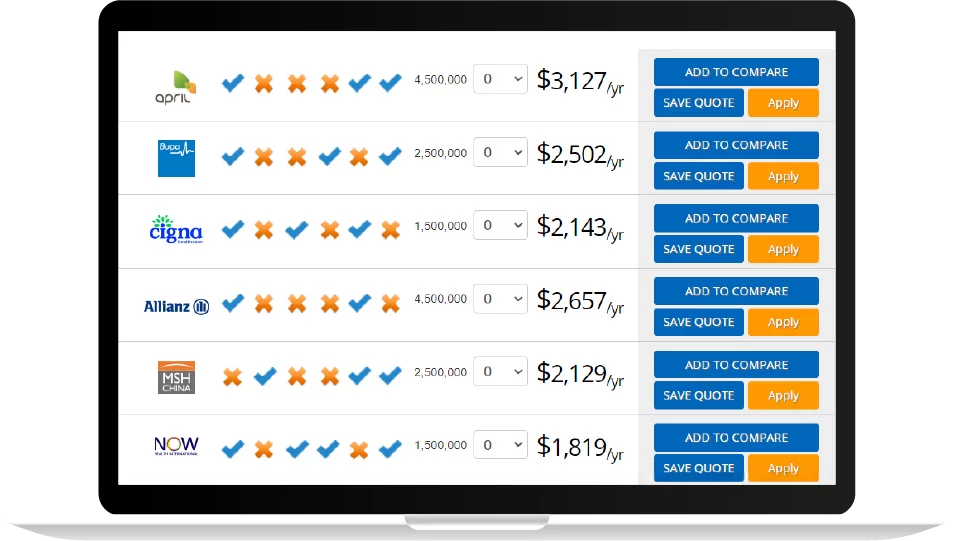
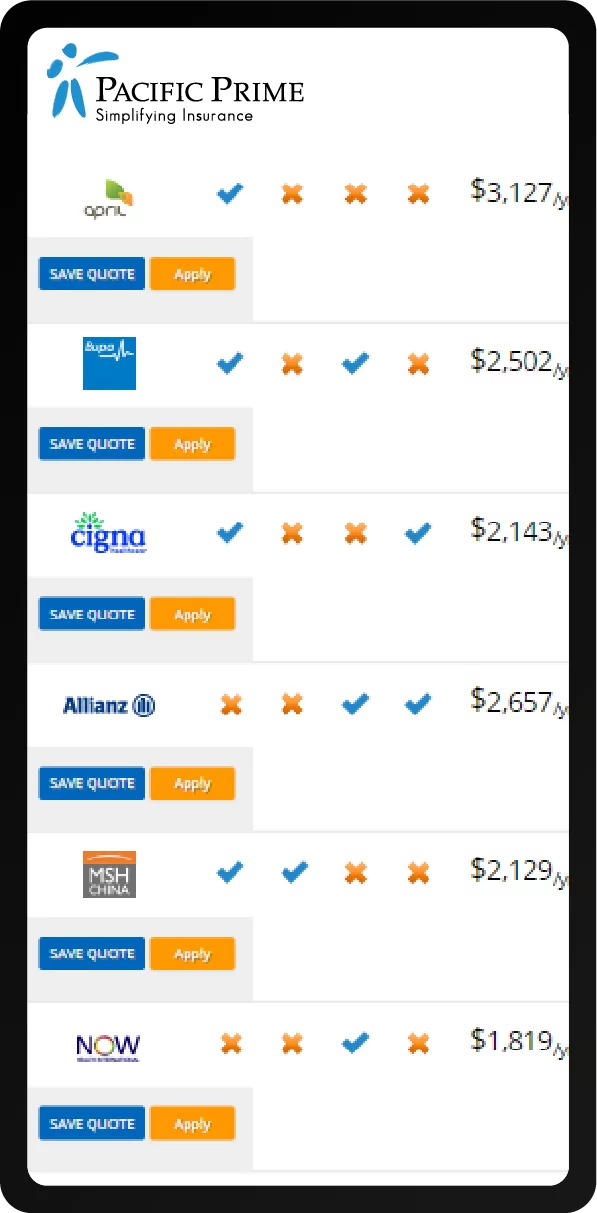
Discover the world's top
health insurers.
Compare quotes with
a click of the button.
Italy’s healthcare system is well-regarded for its universal access and quality of care. For many expats, international health insurance provides an added layer of protection that simplifies navigating the system.
It bridges common gaps such as long wait times, language barriers, and limited coverage, offering faster access to care and more flexibility with providers.
Understanding Italy’s National Health Service (SSN)
Italy is renowned for its universal healthcare system, which provides free-of-charge, comprehensive coverage to all citizens and legal foreign residents. The system, known as the National Health Service (Servizio sanitario nazionale or SSN), has become a model for many other countries.
The SSN can provide satisfactory quality care to residents and expats. However, despite its accessibility and affordability, many individuals opt for private healthcare and private health insurance.
This choice is often motivated by shorter wait times, access to renowned doctors, and better facilities at private hospitals. Moreover, private health insurance complements the public system by covering a broader range of conditions, specialists, and treatments than the SSN.
How the Government Ensures Universal Healthcare
The cornerstone of Italy’s healthcare system is its commitment to providing universal coverage. The SSN automatically covers all citizens and legal foreign residents, ensuring that no one is left without access to essential healthcare services.
The government plays a central role in the organization and delivery of healthcare services. The Ministry of Health oversees health care planning, the supply of health professionals, and other crucial aspects of the system’s functioning.
Why Private Health Insurance in Italy Matters
Private health insurance plays a limited role in Italy’s healthcare system. While the SSN does not allow individuals to opt out of the system entirely, approximately 10 percent of the population holds voluntary health insurance.
This coverage complements the services provided by the SSN, offering amenities such as private hospital rooms and greater provider choice.
Some private insurance policies also cover copayments for publicly provided services. However, private insurance does not substitute the public system and is not a means to exclude oneself from it.
Key Benefits and Patient Cost Sharing
Under the SSN, residents in Italy receive mostly free primary care, inpatient care, and health screenings.
The Essential Levels of Care (Livelli Essenziali di Assistenza, LEA) are the services and benefits that the SSN is required to provide to all citizens free of charge or upon ticketing, including:
- Pharmaceuticals
- Preventive medicine
- Outpatient specialist care
- Maternity care
- Home care
- Primary care
- Hospice care
Patient cost-sharing in Italy’s healthcare system is relatively low. For physician visits, primary care visits have no cost-sharing, while specialist consultations have national rates set by regions. Hospital inpatient care is free if provided by public healthcare.
Prescription drugs are divided into tiers, with different cost-sharing arrangements depending on the drug’s classification.
Certain vulnerable groups are exempted from cost-sharing, including:
- Low-income older adults
- Children
- Pregnant women
- Patients with chronic conditions or disabilities
- Those with rare diseases
How Non-EU Expats Can Use the Public Health System
Expats from outside of EU countries can also access the SSN system if they are legal residents of Italy and hold a valid residence permit (Permesso di soggiorno).
They will need to register with the ASL (Local Health Unit) office in your area of residence to obtain a Tessera Sanitaria (Health Card), which is your official health card for accessing the SSN.
It’s important to note that expats from non-EU countries must provide proof of private health insurance when applying for a residence permit (permesso di soggiorno) to cover the waiting period before their residency status is approved.
Health Insurance Costs for Expats in Italy
Due to a recent policy change, Italy now charges foreign residents from outside of the EU 2,000 euros a year for access to its National Healthcare System (SSN).
As a result, many expats opt for private health insurance, which can cost anywhere from 1,000 to 3,000 euros annually, depending on your pre-existing conditions and the level of coverage needed.
Common Challenges of Public Healthcare in Italy
One of the biggest challenges in the Italian public healthcare system is the way local general practitioners (Medici di base) operate.
Instead of using an appointment system, most of these offices follow a first-come, first-served approach, where patients are seen in the order they arrive. Surgeries and doctors’ appointments are often overcrowded with long wait times that can be frustrating for those in need of urgent medical care.
In Italy, patients are required to register with a single general practitioner within their designated Local Health Authority and are not free to switch between doctors at will. This restriction results in even longer wait times, sometimes stretching to months for non-urgent appointments.
The quality of care can also vary greatly across the country, with northern regions generally offering more efficient services compared to the south. Additionally, not all public healthcare providers speak English, which makes it even more difficult for non-Italian speakers navigating the system.
All of the reasons above explain why many expats in Italy prefer to go with private health insurance, which grants them access to the private healthcare system.
Why Expats Choose Private Health Plans in Italy
Private health insurance plays a vital role in ensuring the well-being and peace of mind of expats in Italy. Here, we will explore the importance of private health insurance for expats in Italy.
Better Access to Quality Medical Care
Italy is known for its high standard of healthcare. However, to fully benefit from the Italian healthcare system, expats need to navigate the complexities of the SSN.
While the SSN provides free or low-cost healthcare to Italian citizens and residents, it may not cover all medical expenses for expats. Having private health insurance ensures access to a wider network of healthcare providers and services, allowing expats to receive timely and quality medical care.
Extensive Benefits and Coverage Options
Private health insurance for expats in Italy offers comprehensive coverage that goes beyond what the SSN provides. It typically covers a range of medical services, including:
- Hospitalization
- Doctor visits
- Prescription medications
- Diagnostic tests
- Emergency medical evacuation
This comprehensive coverage gives expats the flexibility to choose their preferred doctors and specialists, access private healthcare facilities, and receive treatment in their preferred language.
Faster Access to Specialist Care
The SSN in Italy may have long waiting times for non-urgent specialist appointments. Private health insurance allows expats to bypass these waiting times and receive prompt medical attention. This is particularly crucial for expats who may have pre-existing conditions or require specialized care.
Multilingual Support for Expats
Navigating the Italian healthcare system can be challenging, especially for expats who are not fluent in Italian. Private health facilities often provide language assistance services, such as access to multilingual medical staff and customer support during medical consultations.
Specialized Coverage Options for Expats
Expats have healthcare needs that may not be adequately addressed by the SSN. Private health insurance for expats in Italy offers tailored coverage options, including coverage for:
- Medical emergencies during travel
- Repatriation of remains
- Maternity care
- Dental care
- Mental health services
Meeting Legal Health Insurance Obligations
Non-EU expats residing in Italy are required to have health insurance coverage as part of their residency obligations. When applying for a “Permesso di soggiorno” (permission to stay), non-EU expats must provide proof of health insurance.
Public vs. Private Health Insurance Options
When it comes to health insurance options for expats in Italy, there are several factors to consider, including whether you are an EU or non-EU citizen. Expats in Italy have access to both public and private health insurance options.
For EU Citizens Staying in Italy for Less Than Three Months
Registration with the SSN is not required. EU citizens in this category can rely on the European Health Insurance Card (EHIC), which allows them to access urgent healthcare services during their temporary stay in Italy.
The EHIC is valid in various EU countries, including Italy. However, if an EU citizen does not have an EHIC, they may need to obtain private health insurance to receive care.
For EU Citizens Staying in Italy for More Than Three Months
They can either have private health insurance or register with the SSN. Registration with the SSN is applicable to EU citizens who work in Italy, their family members, and family members of Italian citizens.
It also includes individuals working for an EU company in Italy, pensioners from another EU state residing in Italy, and family members of a foreign worker employed by another EU state residing in Italy.
For Non-EU Citizens On Short-Term Stays of 90 Days or Less
They can access SSN healthcare for urgent and elective services by paying the relevant regional rates. Alternatively, non-EU citizens on tourist visas can opt for private health insurance.
The insurance policy must meet the requirements stated in the European Regulation No. 810/2009 “Visa Code”, including coverage for medical treatment, hospitalization, and repatriation expenses.
For Non-EU Citizens with a Regular Permit to Stay for a Longer Period
They can enroll in the Italian National Health Service by applying at the ASL (Azienda Sanitaria Locale, or Local Health Authority) office in their municipality of residence.
By enrolling in the SSN, they gain access to a range of healthcare services, including choosing a primary care doctor, receiving credits for integration agreement purposes, and extending healthcare to their dependents residing in Italy.
The Italian healthcare system may involve costs, even for foreigners eligible for public healthcare. Specialist visits typically require a healthcare co-payment fee, but exemptions are possible based on specific conditions related to income, age, disability, or disease status.
In addition to the public health insurance options, expats in Italy can also consider private health insurance plans. Private health insurance provides additional coverage and flexibility, allowing expats to choose their preferred doctors and hospitals.
Private insurance plans often cover a wide range of medical services, including hospitalization, specialist consultations, and prescription medications.
Frequently Asked Questions
What are the main advantages of private healthcare as opposed to public healthcare in Italy?
The main advantages include shorter waiting times for medical treatments and procedures, access to a wider network of doctors and specialists, and more personalized, comprehensive healthcare services. Moreover, private healthcare often offers a higher quality of care.
Are expats eligible for public healthcare in Italy?
Expats in Italy may be eligible for public healthcare through the Italian National Health Service, known as Servizio Sanitario Nazionale (SSN). Eligibility for public healthcare depends on factors like residency status, employment, and duration of stay.
What are the benefits of having private health insurance as an expat in Italy?
Private health insurance provides access to a wider network of healthcare providers, as well as allowing expats to avoid long waiting times. Moreover, health insurance may offer coverage for services not covered by the public system, such as dental care, vision care, and alternative therapies.
Conclusion
Italy is a top destination for expats seeking a vibrant and fulfilling lifestyle. From its rich cultural heritage and history to its friendly local and great foods, the country offers a unique blend of old and new that’s easy to fall in love with.
But to truly enjoy what Italy has to offer without any worries and make your time in Italy filled with fond memories, you’ll need health insurance that meets your needs and those of your loved ones.
Whether you’re looking for expat or international health insurance, Pacific Prime brings over 25 years of experience to the table. We’re trusted to find a plan that fits both your needs and your budget. And the best part? Our advice and support come at no extra cost.
So contact us for a quote or a FREE, no-obligation plan comparison today!

At Pacific Prime, Grace focuses on simplifying complex concepts on international health insurance to make these topics easily accessible and understandable for our target audience. Being a Filipino born in Hong Kong, she understands the struggles of most immigrants and expats in finding the right insurance solutions while in another country. Her goal is to redefine most people’s perception of insurance, that it is an investment for one’s protection and future.
In her spare time, Grace is either at home or at Hong Kong Disneyland. She loves reading, watching movies and K-dramas, and attending dance classes.
- Pacific Cross Thailand Health Insurance for Expats and Travelers (2026) - August 5, 2026
- UAE Medical Insurance Prices for Expats - June 5, 2026
- How Canadians Can Find Jobs in Dubai - May 25, 2026

Comments
2 Comments
What steps should expats take to ensure their health insurance is valid and compliant with local regulations when they travel outside of Italy?
To ensure your health insurance is valid and compliant with local regulations when traveling outside Italy, start by checking if your current plan includes international coverage and aligns with the destination country’s requirements. Confirm that your policy covers essential benefits such as emergency medical care, hospitalization, and repatriation, especially in countries where such coverage may be mandatory, like the Schengen Area or specific visa requirements. Additionally, carry proof of insurance and a detailed policy document to present at borders or medical facilities if needed.
For assistance in finding or upgrading to an international health insurance plan that meets your travel needs, contact us through our Contact Us page for free advice and a plan comparison.
Ask a Question
We'll notify you
when our team replies!