
The Cost of Living in Puerto Rico for Expats
Living in Puerto Rico typically costs around USD $3,748 per month for a family of four and about USD $1,080 for a single person, excluding rent. Expats can expect their monthly expenses to vary depending on their lifestyle, but overall, costs are often lower than in many major U.S. cities.
Discover the world's top
health insurers.
Compare quotes with
a click of the button.
Puerto Rico offers expats the unique advantage of U.S. territory benefits combined with a laid-back Caribbean lifestyle. From bustling urban areas like San Juan to quieter towns such as Arecibo and Bayamón, the island provides different living experiences to fit a range of budgets.
This article will delve into the living expenses in three key cities: San Juan, Arecibo, and Bayamón. Like in the mainland United States, health insurance is a must for expats in Puerto Rico. The data we use comes from Numbeo, and all monetary figures presented will be in United States Dollars.
Cost of Living in San Juan
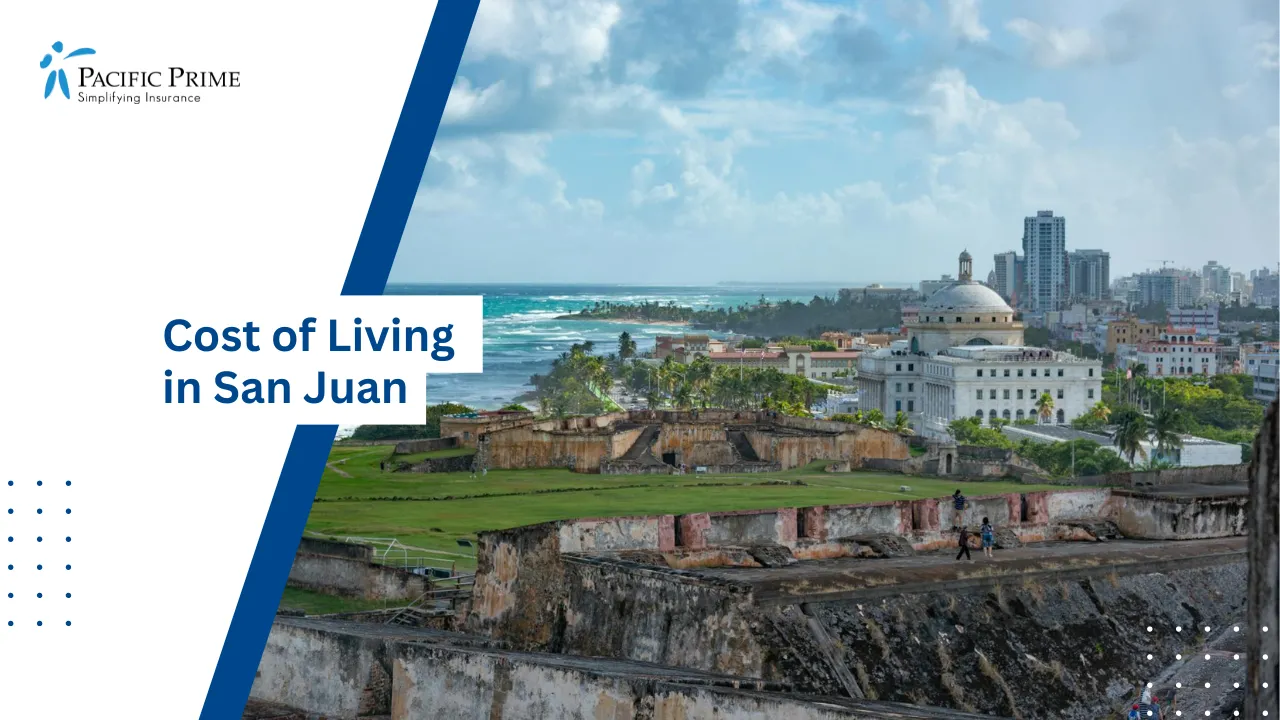
The estimated monthly living costs in San Juan, excluding rent, are approximately USD $4,068 for a family of four and around USD $1,185 for a single person. The average after-tax monthly salary in San Juan is about USD $2,795.
The vibrant capital of Puerto Rico, San Juan, is known for its rich history, colorful architecture, and stunning coastal views. As the largest city in the region, it boasts a diverse culture and serves as a major economic hub.
San Juan Housing Costs
Renting a three-bedroom apartment in the center of San Juan typically costs about USD $2,709 per month, whereas a comparable apartment located outside the city center is around USD $1,340 per month. Here are some typical rent figures in San Juan:
- One-bedroom apartment in the city center: USD $1,620
- One-bedroom apartment outside the city center: USD $750
- Three-bedroom apartment in the city center: USD $2,709
- Three-bedroom apartment outside the city center: USD $1,342
Utility costs are typically around USD $360 per month for basic services. Here’s a breakdown of common utility and communication plan expenses:
- Electricity, Heating, Cooling, Water, Garbage: USD $358
- Internet (60 Mbps or More): USD $70
- Mobile Phone Plan (with Calls and 10GB Data): USD $66.50
Food and Dining Costs in San Juan
In San Juan, a meal at a casual restaurant averages about USD $19.50, while dining out for two at a mid-range establishment usually costs around USD $83.50. Eating out can be quite expensive in San Juan. Below are average prices for meals and common grocery items:
| Food Item | Price (USD) |
| Meal at an inexpensive restaurant | $19.50 |
| Meal for two at a mid-range restaurant | $83.50 |
| Loaf of fresh white bread (one lb) | $3.15 |
| Milk (one liter) | $2.20 |
| Eggs (12) | $6.42 |
| Chicken fillets (one lb) | $3.70 |
| Domestic beer (0.5 liter) | $2.51 |
| Bottle of wine (mid-range) | $15.60 |
Dining out can easily add up; fortunately, shopping at local supermarkets offers a variety of affordable options for everyday meals.
Transportation Costs in San Juan
The cost of a public transit trip in San Juan is USD $1.50, and a monthly transport pass is USD $30. This makes commuting and exploring the city rather affordable for residents. Here’s a breakdown of public transportation fees in San Juan:
- One-way ticket (local transport): USD $1.50
- Monthly pass: USD $30.00
For those who drive, gasoline prices are approximately USD $0.96 per liter.
Childcare and Education Costs in San Juan
The average cost for preschool (full-day, private) is around USD $672.75 per month. For families considering international education, a year at an international primary school can cost approximately USD $12,988 in San Juan.
Entertainment and Fitness Costs in San Juan
A month’s fitness club membership in San Juan for one adult typically costs about USD $38. For entertainment, a ticket to a movie in San Juan averages around USD $11.
Cost of Living in Arecibo
The estimated monthly cost of living for a family of four in Arecibo is approximately USD $1,941, while a single person can expect to spend around USD $652, excluding rent. The average monthly salary after taxes is about USD $3,239.
A charming historic town located on the northern coast of Puerto Rico, Arecibo boasts a rich cultural heritage and a vibrant community. Established in the 16th century, it is known for its stunning landscapes and significant landmarks, including the now-collapsed Arecibo Observatory.
Arecibo Housing Costs
A three-bedroom apartment in central Arecibo rents for around USD $824 per month, while a similar apartment outside the city center costs about USD $656 per month. Housing rentals in Arecibo are significantly lower than those in San Juan. Here are typical rent prices:
- One-bedroom apartment in the city center: USD $452
- One-bedroom apartment outside the city center: USD $363
- Three-bedroom apartment in the city center: USD $824
- Three-bedroom apartment outside the city center: USD $656
When it comes to utilities, here’s a breakdown of typical utility costs for a standard apartment and normal monthly fees for communication plans:
- Electricity, Heating, Cooling, Water, Garbage: USD $232
- Internet (60 Mbps or More, Unlimited Data): USD $70
- Mobile Phone Monthly Plan: USD $66.50
Food and Dining Costs in Arecibo
Dining at a local restaurant in Arecibo typically costs USD $12, while a meal for two at a mid-range restaurant usually sets you back by USD $60. Meals at local restaurants and common grocery items are generally affordable. Typical food prices at supermarkets and restaurants in Arecibo are:
| Item | Price (USD) |
| Meal at an inexpensive restaurant | $12.00 |
| Meal for two at a mid-range restaurant | $60.00 |
| McMeal at McDonald’s | $8.25 |
| Milk (one liter) | $1.75 |
| Loaf of fresh white bread (one lb) | $3.15 |
| Eggs (12) | $4.75 |
| Chicken fillets (one lb) | $3.70 |
| Apples (one lb) | $2.06 |
Transportation Costs in Arecibo
In Arecibo, a one-way local transport ticket averages USD $1.69, and a monthly public transport pass is USD $40. Getting around the city is generally affordable, especially for those relying on public transport. Here’s an overview of transportation costs in Arecibo:
- One-way ticket for local transport: USD $1.69
- Monthly public transportation pass: USD $40.00
- Taxi start (normal tariff): Variable
- Gasoline (one liter): USD $0.93
These costs make commuting accessible for residents, whether they choose public transport or operate their own vehicles.
Childcare and Education Costs in Arecibo
The average cost of preschool for a full day is about USD $672.75 per month in Arecibo. For expat families considering international education, the yearly tuition for primary school can reach USD $4,000 in Arecibo.
Entertainment and Fitness Costs in Arecibo
With a month’s fitness club membership costing around USD $39.60 and a cinema ticket for an international release typically selling for USD 6.50, the costs associated with fitness and entertainment in Arecibo are quite reasonable.
Cost of Living in Bayamón
For families considering a move, the estimated monthly expenses without rent for a family of four in Bayamón are around USD $2,257, while a single person can expect to spend approximately USD $740. The average after-tax monthly salary in Bayamón is about USD $3,500.
Located in northeastern Puerto Rico, Bayamón is a vibrant city known for its rich history and diverse urban culture. As the second most populous city on the island, it serves as a commercial hub, with easy access to the capital, San Juan.
Bayamón Housing Costs
A three-bedroom apartment located in Bayamón’s center averages around USD $900 per month, while a similar apartment situated farther from downtown typically costs about USD $807 monthly. The following are the average rental prices in Bayamón:
- One-bedroom apartment in the city center: USD $898
- One-bedroom apartment outside the city center: USD $807
- Three-bedroom apartment in the city center: USD $1,637
- Three-bedroom apartment outside the city center: USD $1,446
Normal utility costs for a standard apartment (915 sq ft) and typical monthly fees of communication plans in Bayamón are as follows:
- Electricity, Heating, Cooling, Water, Garbage: USD $281.50
- Internet (60 Mbps or More, Unlimited Data): USD $48
- Mobile Phone Monthly Plan (Calls and 10GB+ Data): USD $66.50
Food and Dining Costs in Bayamón
Dining at an average restaurant in Bayamón usually costs around USD $19.50, whereas a meal for two at a mid-range establishment generally amounts to USD $83.50. Bayamón offers a diverse culinary scene, but eating out can be pricey. Here’s an overview of average restaurant and grocery prices:
| Item | Price (USD) |
| Meal at an inexpensive restaurant | $19.50 |
| Meal for two at a mid-range restaurant | $83.50 |
| McDonald’s combo meal | $10.50 |
| Loaf of fresh white bread (one lb) | $3.10 |
| Eggs (12) | $5.55 |
| Chicken fillets (one lb) | $3.50 |
| Milk (one liter) | $2.20 |
Grocery shopping is adequately affordable overall, making it convenient for families to maintain a nutritious and balanced diet.
Transportation Costs in Bayamón
A ride on public transport usually costs USD $2, and a monthly transportation pass sells for USD $12, making public transit an economical option for getting around Bayamón. Here are some standard costs associated with transportation:
- One-way ticket (local transport): USD $2.00
- Monthly pass: USD $12.00
- Taxi fare (one mile): Varies, but expect around USD $15 for a standard fare
- Gasoline: Approximately USD $0.95 per liter
These costs allow residents to set a reasonable transportation budget, including for those commuting to nearby San Juan.
Childcare and Education Costs in Bayamón
The average monthly cost of preschool or kindergarten in Bayamón is about USD $471, which provides full-day care for one child. The yearly tuition for an international primary school in Bayamón can range significantly, usually around USD $10,500, depending on the institution and its offerings.
Entertainment and Fitness Costs in Bayamón
A monthly fitness club membership averages around USD $25, and a movie ticket for an international release generally costs about USD $10 in Bayamón, providing an affordable option for family outings or date nights.
Healthcare Costs in Puerto Rico

Consulting a general practitioner typically sets you back by USD $50 to USD $100, while seeing a specialist can cost you around USD $150 in Puerto Rico. The territory has both a private healthcare system and a public one, which influences the fees patients incur.
While the exact costs of medical services in Puerto Rico vary, general healthcare costs are typically 31.3% lower than the U.S. average, according to the Puerto Rico Institute of Statistics.
Outpatient Care Costs in Puerto Rico
The cost of a blood test is typically USD $50, and a physical therapy session can cost USD $80 in Puerto Rico. These prices can vary based on location and specific healthcare providers. Below are examples of typical costs for regular check-ups and minor treatments:
| Service | Average Cost (USD) |
| Primary care visit | $100 |
| Specialist consultation | $150 |
| Diagnostic imaging (X-ray) | $75 |
| Laboratory tests (blood work) | $50 |
| Physical therapy session | $80 |
Prescription and Medication Costs
A 30-day supply of hypertension medication is priced between USD $30 and USD $150, and if you have high blood cholesterol, you should budget another USD $20 to USD $100 monthly for cholesterol-lowering drugs in Puerto Rico. Below are the average costs for some common medications in Puerto Rico:
- Antihypertensives: $30–$150 per month
- Antibiotics: $7–$20 per prescription
- Diabetes medications: $30–$95 per month
- Cholesterol-lowering drugs: $20–$100 per month
- Pain relievers (e.g., NSAIDs): $5–$30 per bottle
High out-of-pocket expenses for medications can sometimes tempt individuals to not adhere to prescribed treatments in Puerto Rico.
Inpatient Care Costs in Puerto Rico
The daily charge for hospitalization in a standard room is typically USD $800–$1,300 and common surgeries can cost between USD $5,000 and USD $15,000. Inpatient care can be costly in Puerto Rico, which is why health insurance is crucial. Below is a breakdown of typical hospitalization expenses:
| Service | Average Cost (USD) |
| Daily hospital stay | $800–$1,300 |
| Emergency room visit | $1,500 |
| Surgery (general) | $5,000–$15,000 |
| Intensive care unit (ICU) stay | $3,000–$5,000 per day |
| Maternity care | $10,000–$20,000 |
Inpatient costs can be a financial burden, often leading to significant medical debt.
Common Surgery Costs in Puerto Rico
Cataract surgery in Puerto Rico costs between USD $1,600 and USD $3,400 per eye, and knee replacement surgery ranges from USD $18,000 to USD $26,000. The costs can vary greatly depending on complexity and provider. Below are typical costs for some common surgeries in Puerto Rico:
- Appendectomy: $6,000–$9,000
- Knee replacement: $18,000–$26,000
- Hernia repair: $5,000–$15,000
- Gallbladder removal: $7,000–$10,000
- Cataract surgery: $1,600–$3,400 per eye
These expenses underscore the financial strain that surgical interventions can impose on patients and their families unless they are properly insured.
FAQs About Living in Puerto Rico
Is Puerto Rico expensive to live in?
While not always cheap, living in Puerto Rico is less costly than in many American cities. Imported goods, groceries, and housing in popular neighborhoods contribute significantly to the overall expenses. However, average salaries are lower than in the U.S., which can cause cost-of-living issues.
What health and safety advice should travelers observe in Puerto Rico?
Travelers should secure valuables and avoid isolated areas at night. Bring sufficient prescription medication for your stay, and ensure routine immunizations are up-to-date. Travel insurance covering medical evacuation is recommended, and insect repellent helps prevent mosquito-borne illnesses.
What number should I call for emergency services in Puerto Rico?
For any emergency in Puerto Rico—police, fire, or medical—call 911. This nationwide emergency number connects you to the appropriate local services and is available throughout the island, ensuring prompt assistance for urgent situations.
Conclusion
The cost of living in Puerto Rico mirrors that of the United States. What sets the island apart is its distinct vibe and relaxed lifestyle, which draw countless visitors to its sun-kissed shores. The laid-back atmosphere creates an inviting environment that captivates residents and tourists alike.
If you’re considering visiting or moving to Puerto Rico, you’re in good company! That being said, we strongly recommend that you carefully consider your health insurance needs and options before starting your journey.
Whether it is travel insurance, expat health insurance, or international health insurance that you need, Pacific Prime can tailor a solution that meets your requirements while fitting your budget. Moreover, our expert advice and ongoing support come at zero extra cost to you!
So contact us for a consultation, quote, or a FREE plan comparison today!
If you’re still unsure about which country in the Americas to explore or make your home, consider checking out our cost of living guide for the Americas, along with our detailed guides on Canada and Argentina.

With her background as an avid traveler and as an exchange student in Spain, Palida values the benefits of insurance and understands the frustrations that may come with making the best decisions for your health and safety in an unknown environment. Here at Pacific Prime, she aspires to create content that will help expats and travelers understand international health insurance with ease.
In her spare time, Palida enjoys reading short stories as much as binging on sitcoms. She is also a self-proclaimed "foodie" with the goal of trying as many cuisines from all over the world as possible. Combining her passion for writing with her love for food, she is an aspiring Google Local Guide reviewer.
- Pediatric Healthcare in Mexico for Expat Families (2026 Guide) - August 25, 2026
- LUMA Thailand Insurance Guide for Expats in 2026 - July 29, 2026
- GIG Gulf Insurance for Dubai Expats in 2026 - April 27, 2026

Comments
Comments are disabled for this post
We'll notify you
when our team replies!