
The Cost of Living in Portugal in 2026
The cost of living excluding rent in Portugal in 2026 for a family of four is EUR €2,444 (USD $2,815), but it can vary widely. Popular places like Lisbon, Porto, and the Algarve have higher living expenses, while smaller towns and inland regions often offer a much more budget-friendly lifestyle.
Discover the world's top
health insurers.
Compare quotes with
a click of the button.
In this Pacific Prime article, we’ll explore the cost of living in Portugal, from housing and food to daily expenses and medical care. We’ll also explain why getting international health insurance before relocating to Europe is a wise step for protecting your well-being and finances.
Cost estimates in this article are based on data from Numbeo, Expatistan, and Portugal’s National Statistics Institute (INE), as well as real-time listings from rental platforms and service providers. Figures are averaged and rounded for clarity and may vary based on region and lifestyle.
Housing Costs in Portugal

In Lisbon, a one-bedroom apartment in the city center may cost EUR €1,000–€1,900/month (USD $1,200–$2,200). Smaller cities like Coimbra or Faro offer similar options for EUR €600–€900 (USD $650–$980), making them more budget-friendly alternatives.
Renting a Home in Portugal
Lisbon and Porto have the highest rental prices, especially in central districts. A furnished one-bedroom flat in these areas can cost EUR €1,200–€1,800 a month (USD $1,300–$1,950). In quieter or inland towns, rent is much lower, often between EUR €500–€800 (USD $540–$870) for a similar apartment.
Many expats, including students and digital nomads, cut costs by renting rooms in shared flats, typically priced between EUR €300–€600 (USD $325–$650) per month. Rates depend on the area and amenities. Regions like the Algarve are popular for offering varied and affordable options.
Buying Property in Portugal
Properties in Portugal are more affordable than in many Western European countries, though they’ve been rising lately. In Lisbon, the average cost per square meter can exceed EUR €5,000 (USD $5,400), while in places like Braga or Évora, prices are closer to EUR €1,500–€3,000 (USD $1,625–$3,250).
Expats can legally buy property in Portugal without restrictions. However, getting a mortgage may require more paperwork for nonresidents, including proof of income and a larger down payment, usually between 20% and 30%.
Additional Housing Fees in Portugal
Monthly utilities (electricity, water, gas) typically run between EUR €80 and €185 (USD $93–$215), depending on property size and usage. Internet packages start at EUR €25–€59 (USD $29–$68) per month.
If you own a property, you may also be subject to annual municipal taxes (IMI), which vary by location and property value. For apartments in residential buildings, monthly condo or maintenance fees may apply, often ranging from EUR €20 to €100 (USD $22–$108).
Food and Groceries in Portugal
Portugal offers a wide range of food choices for every budget, from local markets and discount supermarkets to cozy eateries and high-end restaurants. In this section, we’ll break down the average cost of groceries, dining out, and how to eat well while staying within budget.
Grocery Shopping in Portugal
Budget-friendly supermarkets like Pingo Doce, Continente, and Lidl are popular among locals and expats alike, offering fresh produce, meats, and pantry staples at competitive prices. For a wider selection, stores like Auchan and El Corte Inglés provide imported and specialty items.
A single person in Portugal typically spends EUR €150–€250 (USD $160–$270) per month on groceries, while families might budget EUR €300–€500 (USD $325–$540), depending on dietary preferences and household size.
Dining Out in Portugal
Dining out in Portugal is generally affordable, especially when choosing local options. A basic meal at a traditional tasca or café costs around EUR €8–€18 (USD $9.2–$21), while a mid-range three-course meal can range from EUR €30–€70 (USD $35–$81) per person, depending on the city.
Affordable meals like bifanas, pastel de nata, or takeaway grilled chicken can be found for under EUR €6 (USD $6.50). Cities like Lisbon, Porto, and Faro are home to a wide range of international cuisine as well, with prices to match every taste and budget.
A coffee and pastry at a local cafe typically costs around EUR €3–€5 (USD $3.25–$5.40). Independent cafes are common and often more affordable than chain options, making them a great way to enjoy Portugal’s food culture without overspending.
Transportation Costs: Getting Around Portugal in 2026
Portugal offers reliable and affordable transport, making it easy to get around without owning a car. Local metro, bus, and tram fares in cities like Lisbon and Porto start at EUR €1.40–€2.95 (USD $1.62–$3.42). Monthly travel passes typically cost between EUR €40 and €50 (USD $43–$54).
Portugal’s public transport is reliable and well-connected in major cities, with buses, metro, and trains offering frequent service. In smaller towns, buses are common, while bike rentals and ridesharing apps are gaining popularity. It’s an affordable choice for most residents.
Public Transportation in Portugal
Public transport is popular in Portugal’s cities, like Lisbon, Porto, and Coimbra. Buses, metros, and trams run frequently and are well-maintained. Lisbon’s Navegante monthly pass offers unlimited travel for €40, with similar passes available in Porto and other major urban areas.
Mobile apps such as Moovit and CP Comboios (for trains) help with route planning and ticket purchases. E-scooters and bike-sharing systems are also becoming increasingly popular in larger cities, offering eco-friendly ways to make short trips.
Owning a Car in Portugal
While public transport is efficient in urban areas, owning a car may be more practical in rural regions or for those who plan to explore beyond city limits. City drivers face challenges like narrow streets, limited parking, and toll roads.
Car owners must account for costs such as insurance, fuel, road tax (IUC), and periodic inspections. Fuel prices in Portugal typically range from EUR €1.63 to EUR €1.85 (USD $1.89–$2.15) per liter, with a full tank costing around EUR €70–€90 (USD $75–$97), depending on the vehicle.
Domestic Travel in Portugal
Portugal has a rail network operated by CP (Comboios de Portugal), connecting major cities like Lisbon, Porto, and Faro. Intercity trains are comfortable and relatively affordable, especially when booked in advance—standard fares between Lisbon and Porto start at around EUR €10–€25 (USD $11–$27).
For budget travel, long-distance buses operated by Rede Expressos and FlixBus are a popular alternative. Prices start at EUR €5–€10 (USD $5–$11) when booked early, making them ideal for students and budget-conscious travelers.
Discounts are available for seniors, youth, and families on both trains and buses. Off-peak travel and round-trip purchases can also help cut costs, making domestic travel in Portugal accessible and budget-friendly.
Healthcare Expenses in Portugal: What to Expect
Portugal offers a public healthcare system called Serviço Nacional de Saúde (SNS), providing affordable care for residents. Expats often choose private insurance for faster access and a wider choice of providers. Private plans typically cost between EUR €50–€150 (USD $55–$165) per month.
Private healthcare is widely available through well-known groups like CUF and Luz Saúde, offering high-quality facilities and English-speaking staff. Having private insurance can reduce wait times and give access to specialists and elective procedures more quickly.
GP Appointments in Portugal
GP visits under the SNS public system usually cost between EUR €5 and EUR €15 (USD $5.50–$16.50). However, wait times can be long, prompting expats to opt for private consultations, which cost around EUR €40–€80 (USD $44–$88) per visit, with same-day or next-day appointments often available.
Private clinics such as CUF and Luz Saúde are popular among expats for their modern facilities and English-speaking doctors. These providers also offer telemedicine and online booking, making it easier for newcomers to access care without delays or language barriers.
Specialist Visits in Portugal
Referrals to specialists through the SNS may involve long waiting times, leading many expats to seek private consultations. Private specialist visits generally cost between EUR €70 and EUR €150 (USD $77–$165), depending on the specialty and clinic location, with faster access and personalized care.
Portugal has reputable private hospitals like Hospital da Luz and CUF Porto, which offer a range of specialties and advanced treatments. These hospitals provide international-standard care with multilingual staff, making them a preferred choice for expats requiring specialist services.
Diagnostic Tests in Portugal
Routine diagnostic tests, such as blood work and X-rays through the SNS, are affordable but may require long waits. Private labs charge between EUR €30 and EUR €150 (USD $33–$165) for tests like MRIs, CT scans, and ultrasounds, with results typically available within a few days.
Major private healthcare providers like CUF and Hospital da Luz operate diagnostic centers with modern equipment and quick turnaround times. These services include direct billing to insurance providers and are popular among expats needing timely diagnostics.
Hospital Stays in Portugal
Public hospital stays under SNS are either free or very low cost for residents, but waiting times for elective procedures can be long. Private hospital stays cost roughly EUR €200–€500 (USD $220–$550) per night for a shared room and EUR €400–€1,000 (USD $440–$1,100) for a private room.
Private hospitals such as CUF, Hospital da Luz, and Trofa Saúde offer high standards of care, including private rooms, multilingual staff, and shorter wait times. Many expats prefer private care for elective surgeries and specialist treatments to avoid delays and ensure comfort.
Surgery Costs in Portugal
Surgical procedures in private hospitals vary by complexity. An appendectomy can cost between EUR €2,000 and EUR €4,000 (USD $2,200–$4,400) while cataract surgery typically ranges from EUR €1,500 to EUR €3,000 (USD $1,650–$3,300). Packages often include anesthesia, surgery, and post-op care.
Portuguese private hospitals provide transparent pricing and multilingual teams to assist international patients. Some clinics offer payment plans and direct billing to insurance companies, making surgery more accessible for expats and easing financial planning.
Medication Costs in Portugal
Medications prescribed through the SNS are subsidized, with patients paying a small co-payment of around EUR €3–€10 (USD $3.30–$11) per item. Without SNS coverage, prescription drugs can cost between EUR €10 and EUR €50 (USD $11–$55), depending on the medicine and pharmacy.
Over-the-counter medicines, like painkillers and cold remedies, are widely available at pharmacies. Portuguese pharmacists are generally helpful and often speak English, guiding expats on cost-effective and suitable medication options.
Education Costs in Portugal: From Early Years to University
Portugal offers a mix of public and private education, with public schooling free for residents. Private nurseries and schools vary in cost, while university fees remain affordable, especially for EU students. However, living expenses still represent a significant part of education costs.
In this section, we’ll cover childcare, public and private school options, and higher education costs, helping expat families understand what to expect when settling in Portugal.
Early Years Education and Childcare in Portugal
Private nurseries and daycare centers in Portugal typically charge between EUR €300 and EUR €730 (USD $348-$847) per month, depending on the city and type of care. Lisbon tends to be the most expensive. Part-time options and childminders can reduce costs for families on tighter budgets.
Public early childhood education is free or low-cost through government-supported Jardim de Infância programs for children aged three to six. Some regions offer subsidies for younger children, making early education accessible to many families.
Public Schools in Portugal
Public schools in Portugal provide free education from ages six to 18, following the national curriculum regulated by the Ministry of Education. Classes are usually in Portuguese, so language support may be needed for non-native speakers.
Parents should budget for additional expenses like school materials, uniforms, transportation, and extracurricular activities, which can add up to several hundred euros per year, depending on the school and location.
Private and International Schools in Portugal
Private school fees range from around EUR €4,000 to over EUR €15,000 (USD $4,400–$16,500) annually, depending on the institution and programs. International schools, popular among expats, often follow IB, British, or American curricula, and typically start at EUR €10,600 (USD $12,300) per year.
Extra costs such as uniforms, meals, transport, and school trips can add EUR €1,000–€3,000 (USD $1,100–$3,200) annually. Cities like Lisbon, Porto, and Cascais host many international schools with bilingual staff and diverse student populations.
Higher Education in Portugal
Public universities in Portugal charge modest tuition fees, usually between EUR €900 and EUR €1,500 (USD $970–$1,620) per year for undergraduate programs. EU citizens benefit from these lower fees, while non-EU students may pay slightly more. Living expenses vary by city.
Private universities and international campuses often have higher fees, ranging from EUR €4,000 to EUR €10,000 (USD $4,300–$10,800) annually. Scholarships and grants are available for both domestic and international students, helping reduce the financial burden.


Monthly Utilities and Expenses in Portugal
In Portugal, monthly utility bills depend on home size, location, and consumption. For a typical expat residence of about 110m², the combined cost for electricity, gas, and water generally ranges from EUR €130 to EUR €220 (USD $140–$240).
Internet plans cost between EUR €25 and EUR €40 (USD $27–$43), while mobile phone contracts vary from EUR €10 to EUR €50 (USD $11–$54) depending on data usage.
Rent and Heating Charges in Portugal
Utility bills are typically paid separately from rent in Portugal, with some exceptions in short-term or furnished rentals where bills may be included. Most tenants set up individual accounts for electricity, water, and gas in longer leases.
Rent for a one-bedroom flat in cities like Lisbon or Porto generally ranges between EUR €700 and EUR €1,200 (USD $755–$1,295) per month. Heating usually relies on electric heaters or air conditioning units, costing roughly EUR €30 to EUR €70 (USD $32–$75) during cooler seasons.
Electricity and Gas Fees in Portugal
Portuguese households pay about EUR €0.20 to EUR €0.25 (USD $0.22–$0.27) per kilowatt-hour for electricity, varying by supplier and tariff. Monthly electricity expenses typically hover between EUR €40 and EUR €90 (USD $43–$97), influenced by seasonal use and consumption habits.
Gas is less prevalent in urban homes but remains common in rural settings for cooking and heating. Monthly gas charges generally run from EUR €20 to EUR €60 (USD $22–$65). Though some opt for combined energy packages, electricity remains the dominant power source in most residences.
Water, Internet, and Mobile Service Costs in Portugal
Water billing in Portugal depends on metered consumption and local rates, usually costing between EUR €15 and EUR €40 (USD $16–$43) monthly. Urban areas like Lisbon and Porto often see slightly higher prices due to infrastructure and demand.
Major telecom providers offer internet packages ranging from EUR €25 to EUR €40 (USD $27–$43) per month, with widespread fiber-optic availability in metropolitan zones. Mobile phone plans vary widely, starting at EUR €10 (USD $11) for basic services to EUR €50 (USD $54) or more for unlimited data.
Entertainment and Leisure in Portugal
Portugal offers a rich tapestry of cultural and recreational activities. Cinema tickets typically cost EUR €7–€10 (USD $8–$12), depending on location and screening type. Gym memberships average around EUR €25–€50 (USD $29–$58) per month, varying by city and facility.
Free events, such as open-air concerts, street festivals, and museum nights, are common in major cities like Lisbon, Porto, and Coimbra. These events provide affordable entertainment options for residents and visitors alike.
Museums and Cultural Events in Portugal
Many of Portugal’s top museums, such as the Calouste Gulbenkian Museum and the National Tile Museum, offer free entry on specific days or times. For instance, the Gulbenkian Museum is free on Sundays until 2 pm.
Cultural experiences like Fado performances in Lisbon or classical concerts in Porto typically cost EUR €20–€70 (USD $22–$75) per ticket. However, discounted or last-minute deals are often available, especially for students or weekday performances.
Nightlife and Music in Portugal
Portugal’s nightlife caters to various tastes, from chic rooftop bars to traditional Fado houses. Club entry fees range from EUR €5–€20 (USD $5.50–$22), with drinks averaging EUR €4–€8 (USD $4.50–$9). Pubs and bars often host live music or themed nights without cover charges.
Cities like Lisbon and Albufeira boast vibrant live music scenes. Small concert venues charge EUR €10–€30 (USD $11–$33) for tickets, while local gigs may be free. Annual festivals like Festa do Mar in Albufeira offer free entertainment, celebrating local culture with music and fireworks.
Frequently Asked Questions
How much money do I need to live comfortably in Portugal?
To live well in Portugal, a single person should budget around EUR €1,773 (USD $1,950) per month. For a family of four, monthly expenses can reach EUR €6,193 (USD $6,820). These estimates cover housing, groceries, dining out, transport, gym access, and school fees for children.
Can foreigners buy a house in Portugal?
Foreigners are permitted to purchase property in Portugal without restrictions. The Portuguese government actively encourages international investment in real estate through initiatives like the Golden Visa program, which offers residency benefits to qualifying buyers.
Which city in Portugal offers the highest level of safety for residents?
Cities such as Lisbon, Braga, Porto, Funchal (Madeira Island), Portimão, Cascais, Aveiro, and Coimbra are known for their overall safety and quality of life. However, like in most popular destinations, residents should stay alert for pickpockets in busy tourist spots.
How long can a foreigner live in Portugal?
If you’re planning to stay in Portugal for more than three months, you’ll need to obtain a residence permit. After legally residing in the country for five years with this permit, you may become eligible to apply for permanent residency or even Portuguese citizenship.
What is the Golden Visa program in Portugal?
The Portugal Golden Residence Permit Program, often referred to as the Golden Visa, is a five-year residency initiative designed for non-EU citizens. It grants the holder the right to live, work, and study in Portugal, along with visa-free travel throughout the Schengen Area.
Conclusion
Living in Portugal offers a high quality of life with relatively affordable costs compared to other countries in Europe. From housing and transportation to education, healthcare, and leisure, your monthly expenses will depend on your location, lifestyle, and family size.
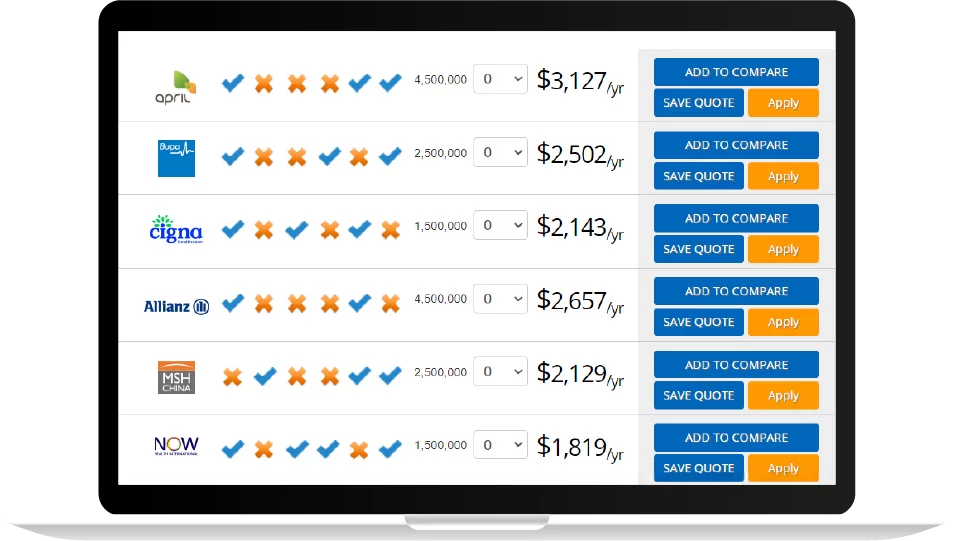
Every expat’s needs are different, which is why having the right support matters. At Pacific Prime, we simplify the process of securing international health insurance in Portugal. With over 25 years of global experience, our experts will help you find a plan that suits your budget and lifestyle.
Contact us today or use our free online quote tool to compare plans and receive personalized advice.
Enjoyed our article? Read more on the cost of living in Sweden and Belgium!

Since joining Pacific Prime, Martin has become even more aware of the gap between the true value of insurance products and most people’s appreciation of it, and developed a passion for demystifying and simplifying matters, so that more people get the protection they need at a cost they can easily afford.
In his free time, Martin attends concerts of various genres, and plays the violin with piano accompaniment he pre-recorded himself or played live by his niece.
- Best Hospitals in Australia for Expats: 2026 Guide by City - September 21, 2026
- Top Non-Monetary Employee Benefits in 2026 - September 21, 2026
- Singapore Investor Visa: 2026 Requirements - September 21, 2026

Comments
Comments are disabled for this post
We'll notify you
when our team replies!