

Brazil Healthcare for Canadian Expats: Coverage & Options
Canadian expats typically will lose their provincial coverage upon moving to Brazil, and so they will need to decide between public SUS coverage, a local Brazilian plan, or an international insurance provider.
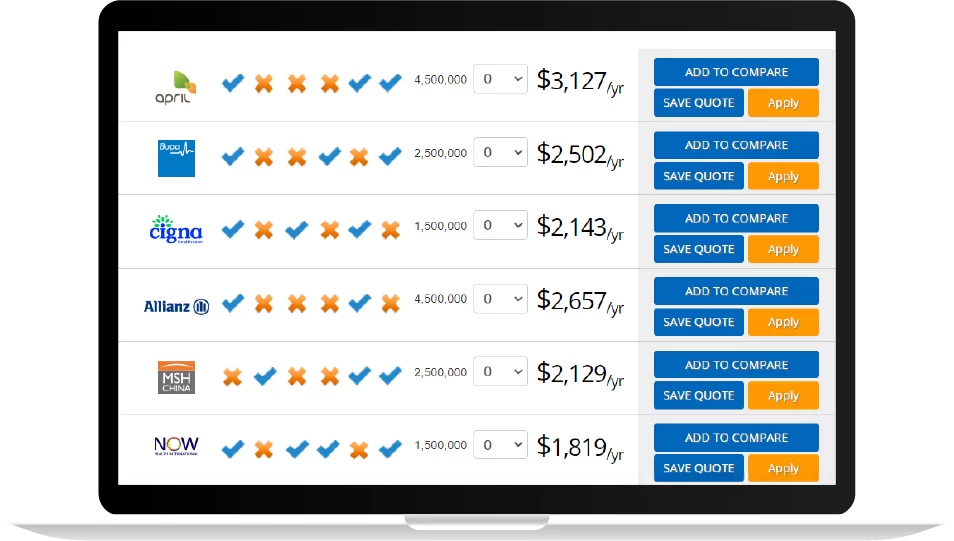
Discover the world's top
health insurers.
Compare quotes with
a click of the button.
Are you from Canada and need help finding health insurance in Brazil? Not sure if your provincial health insurance will still cover you for a temporary stay abroad?
If you are in either situation, this article will help. We’ll explain the rules of Canadian health insurance province-by-province, what other options you have as an expat, what each option may cost you, and much more.
Next, you’ll want to learn about your health insurance options in Brazil as an expat and who the top 10 health insurance companies in Brazil are for expats.
Read our ultimate guide on SUS, private, and international health insurance options for expats in Brazil as you seek coverage.
Health Insurance Options for Canadian Expats in Brazil
Canadian expats in Brazil can access healthcare through public services, local private insurance, or international health insurance plans. Most choose private or international coverage for faster access, broader provider networks, and English-speaking care.
Brazil operates a universal system called SUS (Sistema Único de Saúde), but many expats supplement or replace it with private options due to long wait times and regional variability in care quality.
Here are your options to pay for your healthcare in Brazil:
- Public Healthcare Access (SUS): Canadian nationals can legally access Brazil’s public healthcare system for free, but services may involve significant wait times and limited specialist availability in certain regions.
- Local Private Insurance Plans: Brazilian insurers such as Amil or Bradesco Saúde offer plans starting around USD $50–$200 per month (BRL 250–1,000), depending on age, coverage level, and region.
- International Health Insurance: Global plans provide comprehensive inpatient, outpatient, and evacuation coverage, typically ranging from USD $150–$500 monthly depending on age and benefits.
- Out-of-Pocket Payments: Private consultations in Brazil can cost as little as USD $30–$100 (BRL 150–500), making direct payment a viable short-term solution for some expats.
Provincial Coverage in Brazil for Canadians
Canadian provincial healthcare coverage offers very limited protection abroad, meaning expats in Brazil must rely on alternative insurance solutions for most medical needs.
While provinces technically allow temporary coverage abroad, reimbursement rates are extremely low and rarely reflect actual international healthcare costs, leaving expats exposed to significant financial risk.
Here are some facts to keep in mind about Canada’s provincial health insurance:
- Limited Emergency Reimbursement: Most provinces reimburse only a fraction of emergency costs incurred abroad, often based on outdated domestic rates rather than actual foreign charges.
- No Routine Care Coverage: Regular doctor visits, prescriptions, and preventive care in Brazil are not covered under provincial plans.
- Travel Insurance Requirement: Short-term stays may be covered with travel insurance, but long-term residents need expat or international health insurance in Brazil.
- Primary Coverage Alternatives: Expats typically rely on international insurance, local Brazilian plans, or a hybrid of both for comprehensive protection.
Losing Provincial Coverage When Abroad
Most Canadian provinces suspend or terminate healthcare coverage after 6–7 months abroad, making it critical for expats in Brazil to secure alternative insurance before departure.
Eligibility rules vary slightly by province, but all require physical presence in Canada for a minimum number of days each year to maintain active coverage.
- Typical Absence Limit: Many provinces allow up to 212 days (approximately 7 months) outside Canada per year before coverage is affected.
- Extended Absence Exceptions: Some provinces allow longer absences for work, study, or travel if pre-approved.
- Immediate Suspension Risk: Failure to notify provincial health authorities can result in immediate loss of benefits.
- Requalification Requirements: Returning residents often face waiting periods of up to 3 months before coverage resumes.


Province-By-Province Healthcare Rules
Ontario, British Columbia, Alberta, and Quebec each have their own health insurance plan and qualification requirements. We’ll discuss each below so Canadians living abroad in Brazil can know how to maintain their provincial healthcare, or if they need to seek coverage internationally.
Ontario (OHIP)
Ontario residents typically lose OHIP coverage after being outside Canada for more than 212 days in any 12-month period, unless they qualify for specific extended absence provisions.
- Standard Eligibility Rule: Must be physically present in Ontario for at least 153 days per year.
- Extended Travel Provision: Eligible residents may retain coverage for up to 2 years with prior approval.
- Reinstatement Waiting Period: Returning residents may face up to a 3-month waiting period.
British Columbia (MSP)
British Columbia’s Medical Services Plan allows temporary absences but generally requires residents to return within 6 months to maintain continuous healthcare coverage.
- Absence Allowance: Up to 7 months per calendar year outside Canada.
- Extended Coverage Option: Residents can apply for extended absence for up to 24 months.
- Premium Obligations: MSP premiums have been eliminated, but registration requirements remain.
Alberta (AHCIP)
Alberta’s AHCIP provides relatively flexible rules but still requires residents to maintain ties to the province and limit time abroad to retain healthcare eligibility.
- Maximum Absence: Up to 212 days per year, similar to other provinces.
- Temporary Absence Approval: Extended absences may be approved for up to 4 years in specific cases.
- Notification Requirement: Residents must inform Alberta Health before extended travel.
Quebec (RAMQ)
Quebec residents must adhere to strict RAMQ presence requirements, and coverage is typically suspended after extended stays outside the province without authorization.
- Absence Limit: Generally limited to 183 days per year.
- Advance Authorization: Required for longer stays abroad to maintain eligibility.
- Reactivation Process: Returning residents must reapply and may face delays.
How to Have a Smooth Transition From Canada to Brazil
A smooth transition to healthcare coverage in Brazil requires planning insurance before departure, understanding provincial rules, and ensuring continuous protection during the move.
Canadian expats should avoid coverage gaps by coordinating the timing of their provincial coverage termination with the activation date of their international or local Brazilian health plan.
Here are some tips to have a smooth transition in coverage:
- Secure Insurance Early: Arrange international or local coverage before leaving Canada to avoid uninsured periods.
- Carry Medical Records: Bring prescriptions, diagnoses, and treatment histories for continuity of care.
- Understand Waiting Periods: Many private insurers impose waiting periods for pre-existing conditions.
- Register for SUS: Obtain a CPF number and register for Brazil’s public healthcare system as a backup option.
Cost Comparison of the Insurance Options in Brazil
Healthcare costs for Canadian expats in Brazil vary widely depending on whether they rely on public care, local private insurance, or international health insurance, with international plans offering the highest coverage at the highest price.
- Public Healthcare (SUS): Free at the point of use, but indirect costs include wait times and limited access to specialists.
- Local Private Insurance: Typically costs between USD $50–$200 monthly (BRL 250–1,000), offering good regional coverage but limited global benefits.
- International Insurance Plans: Range from USD $150–$500+ monthly, providing comprehensive global coverage, evacuation, and higher reimbursement limits.
- Out-of-Pocket Costs: Doctor visits average USD $30–$100 (BRL 150–500), while private hospital stays can exceed USD $1,000 per day (BRL 5,000).
Medications from Canada: Bringing them to Brazil
Brazilian regulations allow Canadian expats to import medications, but quantities and documentation requirements must be carefully followed to avoid confiscation or delays.
Here are some general guidelines to follow:
- Carry Prescriptions: Always bring a doctor’s prescription and a letter explaining the medical necessity of each medication.
- Limit Quantities: Typically restricted to a 30–90 day supply for personal use.
- Check ANVISA Rules: Brazil’s health regulator may restrict certain controlled substances.
- Local Alternatives: Many medications are available in Brazil under different brand names, requiring consultation with a local physician.
Reinstating Coverage in Canada After Living Abroad
Reinstating provincial healthcare coverage after returning to Canada typically requires a waiting period and proof of residency, making it important for expats to plan interim coverage. Most provinces impose a waiting period of up to 3 months before healthcare benefits resume.
During this time, returning residents should rely on private insurance. Some provinces require formal re-enrollment rather than automatic reinstatement.
Visitor to Canada Health Coverage Options
Canadian expats returning temporarily or permanently should secure visitor or private health insurance, as provincial plans may not immediately cover them upon arrival.
Visitor insurance plans provide short-term protection for emergencies, hospitalizations, and unexpected medical expenses during the waiting period for provincial coverage reinstatement.
- Visitor Insurance Plans: Short-term policies designed for returning Canadians or new residents awaiting eligibility.
- Emergency Coverage Focus: Typically covers hospitalization and urgent care, but not routine services.
- Flexible Duration Options: Policies can range from a few weeks to several months.
- Cost Range: Plans generally cost USD $50–$150 per month, depending on age and coverage limits.
Conclusion: Secure Coverage as a Canadian Abroad
Canadian expats will want to compare several types of insurance plans before they select the one that best suits their individual health needs and budget. This process can take time and contemplation.
Luckily, Pacific Prime can make that step easier. We are an international health insurance brokerage with over 20 years of experience helping over a million and a half expatriates just like you secure healthcare coverage globally.
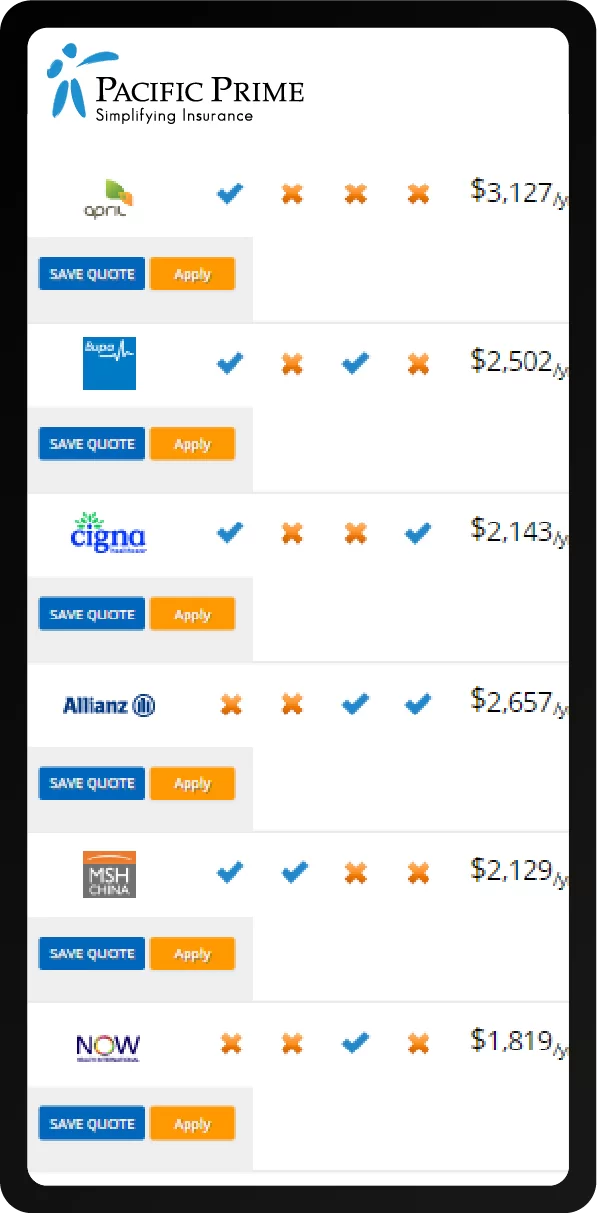
Utilize our exceptional online database that features over 50,000 expat-focused health insurance plans to begin comparing benefits, plans, quotes, and more! It’s a free resource anyone can use, and you won’t want to miss!
When you’re ready to speak to an international insurance expert and find the plan that’s best for you, contact our team online or call +852-3113-1331.
We recommend expats and foreign citizens living in Brazil reference the following links:
- Brazil Healthcare for British Expats: NHS, GHIC & Insurance
- Brazil Insurers: SulAmerica vs Bradesco vs Amil vs Unimed
- The Cost of Living in Brazil

Serena earned her Bachelor’s Degree in Psychology from the University of British Columbia, Canada. As such, she is an avid advocate of mental health and is fascinated by all things psychology (especially if it’s cognitive psychology!).
Her previous work experience includes teaching toddlers to read, writing for a travel/wellness online magazine, and then a business news blog. These combined experiences give her the skills and insights she needs to explain complex ideas in a succinct way. Being the daughter of an immigrant and a traveler herself, she is passionate about educating expats and digital nomads on travel and international health insurance.
- An Expat’s Guide To East Coast Singapore - November 3, 2026
- Hospitals in New Zealand for Expats & Visitors (2026 Guide) - October 16, 2026
- Top 9 Health Insurance Companies for Expats in Malta - October 7, 2026

Comments
Comments are disabled for this post
We'll notify you
when our team replies!