
Maternity Insurance in Spain for Expats: Coverage Options
Expats in Spain can either get maternity insurance through the public SNS system or through a private international provider. Not all expats qualify for SNS, and many prefer the additional benefits that come with care received in a private hospital, so private coverage is often the chosen route.
Discover the world's top
health insurers.
Compare quotes with
a click of the button.
Are you a foreigner hoping to have a baby in the near future while living in Spain? Not sure where to get pregnancy and newborn coverage?
This page will explain the public and private insurance options you have, how long the waiting periods are, how much they cost, and more.
Learn all you can about health insurance in Spain for expats before you move to be as prepared as possible.
Insurance for Having a Baby in Spain as an Expat
Expats planning on having a baby in Spain can access maternity care through the public healthcare system (SNS) or private insurance, depending on residency and coverage status. Spain offers high-quality prenatal, delivery, and postnatal services across both systems.
For many families, securing maternity insurance in Spain coverage early is critical because waiting periods can delay pregnancy-related benefits. Choosing the right plan ensures financial protection and access to preferred hospitals and obstetricians.
Public Maternity Care Through SNS for Expats
Eligible expats can receive comprehensive maternity care through Spain’s National Health System (SNS), which covers prenatal visits, hospital delivery, and postnatal care at little or no direct cost.
Public maternity services are widely regarded as high quality, with Spain reporting one of Europe’s lowest maternal mortality rates at approximately 3 deaths per 100,000 live births.
- Full Prenatal Monitoring: The SNS covers routine ultrasounds, blood tests, glucose screening, and specialist obstetric consultations throughout pregnancy.
- Hospital Delivery Coverage: Public hospitals provide labor, delivery, epidurals, cesarean sections, and neonatal care when medically necessary.
- Postnatal Support: Mothers receive postpartum checkups, breastfeeding guidance, and pediatric appointments for newborns.
Access requires residency registration and enrollment in Social Security or the Convenio Especial scheme. New arrivals without employment may not qualify immediately.
Private Maternity Coverage Options for Expats
Private maternity insurance Spain plans provide faster specialist access, private hospital rooms, and English-speaking doctors, making them popular among Spanish expats seeking flexibility and comfort with their pregnancy insurance.
Private pregnancy coverage is especially important for expats who are not yet eligible for SNS benefits or who want control over hospital selection.
- Specialist Choice: Policyholders often choose their obstetrician and hospital within the insurer’s network.
- Private Rooms: Most plans include single-room accommodation during delivery and recovery.
- Shorter Wait Times: Appointments and diagnostic tests are typically scheduled more quickly than in the public system.
Most insurers impose waiting periods of eight to ten months before maternity benefits activate. Buying coverage after becoming pregnant generally excludes childbirth expenses.
Waiting Periods for Expat Maternity Insurance in Spain
Waiting periods for maternity insurance in Spain typically range from 8-10 months, meaning expats must purchase coverage well before becoming pregnant to qualify for benefits. Insurers use waiting periods to prevent adverse selection.
Pregnancy-related care is almost always excluded if conception occurs before the policy start date.
- Standard Waiting Period: Most Spanish insurers require eight months before delivery coverage applies.
- Assisted Reproduction Limits: Fertility treatments may have longer waiting periods or sub-limits.
- Immediate Accident Coverage: Emergency care unrelated to pregnancy is usually covered immediately.
For expats planning to get pregnant in Spain, securing coverage at least one year before trying to conceive provides a practical safety buffer.
Failing to plan ahead can result in paying private birth costs entirely out of pocket, which can exceed several thousand US dollars.
Best Maternity Hospitals in Madrid and Barcelona
Hospital Universitario La Paz is ranked as the best maternity hospital in Madrid, and Hospital Clínic de Barcelona is the best in Barcelona.
Both Madrid and Barcelona offer some of Spain’s top-rated maternity hospitals, combining advanced neonatal units with internationally trained specialists and multilingual staff. Foreigners having a baby in Spain often prefer private hospitals for personalized care and private suites.
Top Hospitals in Madrid
- Hospital Universitario La Paz: A leading public hospital with a renowned neonatal intensive care unit and high-risk pregnancy expertise.
- Hospital Universitario Quirónsalud Madrid: A popular private facility offering modern maternity wards and English-speaking specialists.
Top Hospitals in Barcelona
- Hospital Clínic de Barcelona: Known for research excellence and comprehensive maternal-fetal medicine services.
- Hospital Quirónsalud Barcelona: A private hospital favored by expats for comfort, international services, and advanced obstetrics.
Hospital choice may depend on whether you use SNS coverage or private insurance networks, as public patients are generally assigned facilities by region. Reference our list of all the best hospitals in Spain as you choose your location for delivery.
Costs: Public vs Private Birth in Spain
Public maternity care is largely free for registered residents, while private birth costs range between USD $3,500 and $9,000 (€3,000 and €8,000) without insurance. The cost of giving birth in Spain varies significantly depending on whether expats use public healthcare or private insurance.
- Public System Costs: SNS-covered births generally involve minimal or no direct hospital charges.
- Private Vaginal Delivery: Self-paying patients typically spend USD $3,500 and $6,000 (€3,000 to €5,000).
- Private Cesarean Section: Costs can reach USD $7,000 and $9,000 (€6,000 to €8,000) depending on hospital and complexity.
- Insurance Premium Impact: Maternity-inclusive policies often increase monthly premiums compared to standard health plans.
Even with pregnancy insurance, policyholders should review deductibles, copayments, and sub-limits before delivery.
Spain’s overall healthcare spending is approximately 10% of GDP, yet birth outcomes in Spain remain among Europe’s strongest datapoints, reflecting system efficiency.
Prenatal and Newborn Coverage in Spain
Maternity insurance policies and public SNS coverage both include prenatal monitoring and newborn care, though benefit limits and provider access differ between systems.
Understanding what is covered before and after birth ensures financial clarity and uninterrupted medical support.
- Routine Prenatal Tests: Ultrasounds, blood work, and specialist visits are standard under both public and private plans.
- High-Risk Pregnancy Care: Specialized monitoring and neonatal intensive care are available in major Spanish hospitals.
- Newborn Enrollment: Babies can be added to private insurance shortly after birth, typically within 30 days.
- Pediatric Visits: The SNS schedules structured pediatric checkups during the first year of life.
For families having a baby in Spain, confirming newborn automatic coverage clauses is essential, as some private policies require formal enrollment within strict timeframes.
Planning maternity coverage early, understanding waiting periods, and selecting the appropriate system allow expats to benefit from Spain’s strong maternal healthcare infrastructure while minimizing financial risk.
Frequently Asked Questions
How does maternity insurance work for expats living in Spain?
Maternity insurance for expats in Spain covers prenatal care, childbirth, and postnatal services through either public healthcare or private insurers. Access, costs, and hospital choice depend on residency status, insurance type, and whether waiting periods have been satisfied.
Is pregnancy covered immediately under private insurance in Spain?
Private maternity insurance in Spain does not cover pregnancy immediately, as most insurers apply waiting periods of eight to ten months. Coverage generally applies only if the policy is purchased well before conception occurs.
Can a foreigner give birth in Spain using public healthcare?
A foreigner can give birth in Spain using public healthcare once legally registered as a resident and enrolled in Social Security or the Convenio Especial. Tourists and short-term visitors typically must pay out of pocket or rely on private insurance.
What happens to the baby’s health insurance after birth in Spain?
After birth in Spain, newborns are covered under the public system if parents are registered, or must be added to private insurance within a set timeframe. Most insurers require enrollment within 30 days to ensure continuous coverage.
Conclusion: Get Maternity Coverage Before Conceiving
Because of the reality that most private pregnancy insurance plans have a waiting period before maternity benefits take effect, it is essential that expat parents hoping to conceive a child in the near future get insurance early.
If not, the mother’s prenatal care may not be covered or the labor and delivery.
That’s where Pacific Prime steps in! We are an international health insurance brokerage with over 20 years of experience helping over a million and a half expatriates just like you secure healthcare coverage globally.
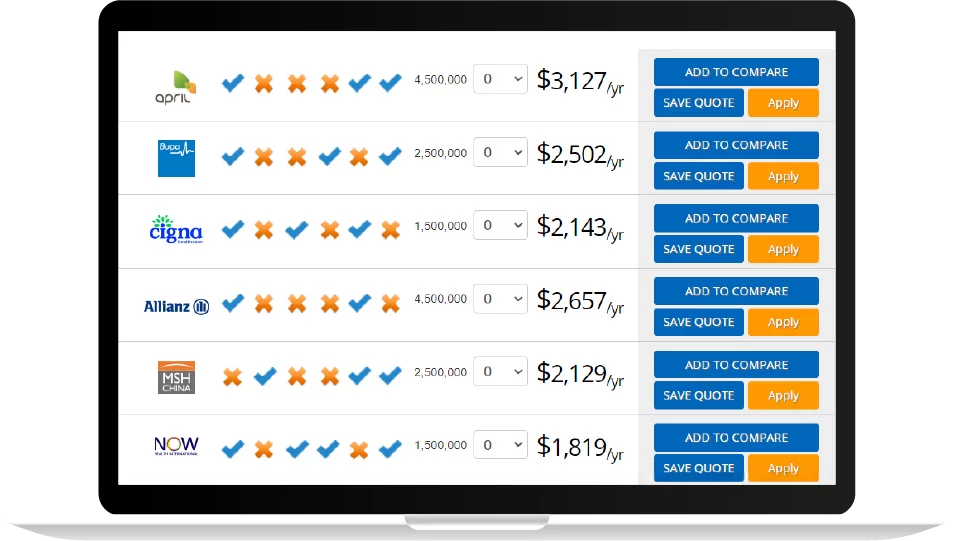
Utilize our exceptional online database that features over 50,000 expat-focused health insurance plans to begin comparing benefits, plans, quotes, and more! It’s a free resource anyone can use, and you won’t want to miss!
When you’re ready to speak to an international insurance expert and find the plan that’s best for you, contact our team online or call +852-3113-1331.
We recommend expats and foreign citizens living in Spain reference the following links:
- International Family Health Insurance Plans
- Guide to Moving to Spain With Your Family
- How to Get Health Insurance in Spain: Step-by-Step for Expats
- Dental Insurance in Spain for Expats: Coverage & Costs
- Living in Spain as a Latin American
- 15 Best Places to Live in Spain for Expats

Serena earned her Bachelor’s Degree in Psychology from the University of British Columbia, Canada. As such, she is an avid advocate of mental health and is fascinated by all things psychology (especially if it’s cognitive psychology!).
Her previous work experience includes teaching toddlers to read, writing for a travel/wellness online magazine, and then a business news blog. These combined experiences give her the skills and insights she needs to explain complex ideas in a succinct way. Being the daughter of an immigrant and a traveler herself, she is passionate about educating expats and digital nomads on travel and international health insurance.
- Consequences of Living in Dubai Without Medical Insurance - May 11, 2026
- Dubai Average Rent Prices: Cost Guide for Expats - May 8, 2026
- Health Insurance for Brazil Retirees: Coverage Over-60s - April 21, 2026

Comments
Comments are disabled for this post
We'll notify you
when our team replies!