
How to Get Reimbursed Under Japan’s Healthcare System
Foreign residents who have Japanese health insurance can claim reimbursements for their out-of-pocket medical expenses by collecting and submitting the correct documentation, filling out a reimbursement claim form, and submitting these files to the correct office.
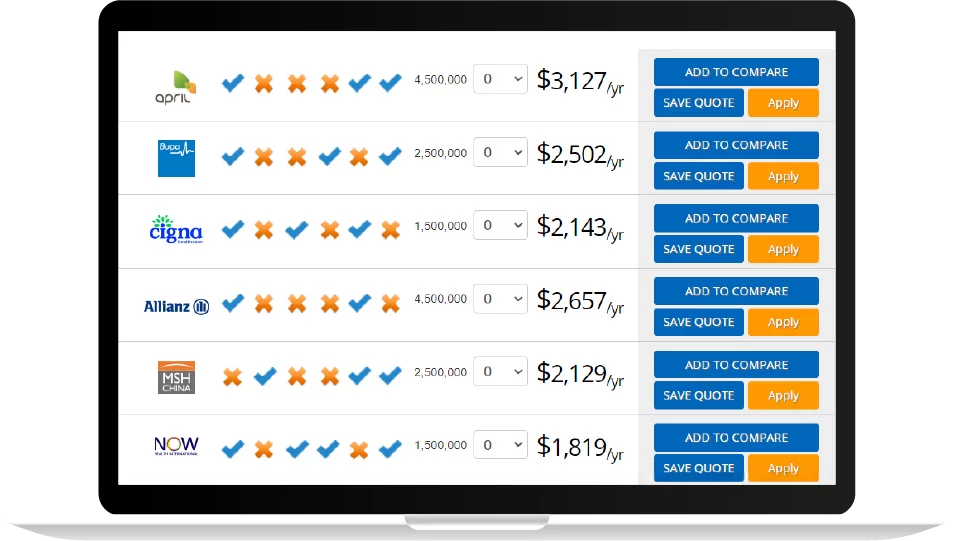
Discover the world's top
health insurers.
Compare quotes with
a click of the button.
Have you recently visited a doctor in Japan and now need to file a claim to be reimbursed for the medical services you paid for? Need help figuring how to do this?
This guide will detail all the steps and topics related to getting reimbursed in Japan for healthcare bills. We’ll also cover who is eligible for reimbursement, which medical fees are reimbursable, how to get reimbursed for dependents, and much more.
Don’t miss our webpage that explains how the healthcare system in Japan works and what private health insurance providers are the best for Japan travel.
How Reimbursements Work in Japan’s Healthcare System
Reimbursements in Japan’s healthcare system work by allowing insured residents to recover a portion of medical costs they paid upfront when insurance could not be applied at the point of service.
Japan primarily uses a direct billing model, but reimbursement becomes necessary when patients forget insurance cards, visit non-participating providers, or receive eligible treatment overseas. In these cases, patients initially pay 100% of costs and later claim reimbursement.
Once approved, reimbursements generally return 70% of eligible medical fees, reflecting the standard public insurance coverage rate. Payments are deposited directly into the claimant’s Japanese bank account after review by municipal or insurer authorities.
Situations That Commonly Require Reimbursement:
- Missing Insurance Card: Patients who attend clinics without their health insurance card must pay the full amount upfront and submit a claim later for reimbursement.
- Nonparticipating Providers: Some clinics or specialty facilities do not process public insurance billing, requiring patients to pay first and claim reimbursement afterward.
- Overseas Medical Treatment: Emergency care received outside Japan may qualify for partial reimbursement based on Japan’s domestic fee schedule.
- Retroactive Enrollment: New residents who receive medical care before completing insurance registration can claim reimbursements once enrollment is finalized.

Step-by-Step Guide to Claiming Reimbursements
Claiming reimbursements in Japan follows a structured, document-based process that requires patients to submit receipts, claim forms, and supporting records to the correct insurer or municipal office after paying medical costs upfront.
Following each step carefully is essential for foreign residents, as incomplete forms, missing documents, or late submissions are the most common reasons reimbursement claims are delayed or rejected.
While the process may seem administrative, most claims are straightforward when documentation is organized and submitted within required deadlines.
Step 1 – Collect Required Documents
Collecting the correct documents is the most important step, as reimbursement claims cannot be processed without original receipts and detailed medical information from the provider.
Foreign residents should request itemized receipts at the time of payment and keep all paperwork related to the visit, including diagnosis details and treatment descriptions.
Documents Typically Required:
- Medical Receipts: Original receipts showing the full amount paid, treatment date, and provider information are mandatory.
- Itemized Statements: Detailed breakdowns of services and medications help insurers verify eligibility under the national fee schedule.
- Medical Explanation: Some claims require a short description of diagnosis or treatment purpose from the clinic or hospital.
- Insurance Information: A copy or number of the patient’s health insurance card is usually required.
Step 2 – Complete the Reimbursement Claim Form
Completing the reimbursement claim form accurately ensures insurers can assess eligibility and calculate repayment correctly under Japan’s public insurance rules. Forms are available at municipal offices, employer insurance departments, or insurer websites.
They are typically provided only in Japanese.
Key Form Completion Tips:
- Use Official Forms: Always use the correct claim form for National Health Insurance or Employees’ Health Insurance.
- Match Receipt Details: Dates, amounts, and provider names must exactly match submitted receipts.
- Include Bank Information: Claims require a Japanese bank account for reimbursement deposits.
- Seek Assistance If Needed: Ward offices and employer HR departments often assist foreign residents with form completion.
Step 3 – Submit Your Claim to the Correct Office
Submitting your claim to the correct office prevents processing delays and ensures the reimbursement is handled by the appropriate authority.
National Health Insurance claims are submitted to the local ward or city office, while Employees’ Health Insurance claims go through employers or insurer offices.
Where to Submit Claims:
- Municipal Ward Offices: National Health Insurance members submit claims directly to their local government office.
- Employer Or Insurer Offices: Employees’ Health Insurance members submit claims through their company or designated insurer branch.
- Submission Methods: Claims may be submitted in person or by mail, depending on municipality or insurer rules.
Step 4 – Wait for Processing and Payment
After submission, claims are reviewed to confirm medical necessity and alignment with Japan’s official fee schedule before reimbursement is approved.
Processing typically takes several weeks, after which approved funds are transferred directly to the claimant’s registered Japanese bank account.
What to Expect During Processing:
- Review Period: Most reimbursements are processed within four to eight weeks, depending on insurer workload.
- Partial Reimbursements: Approved amounts may be lower than paid costs due to fee schedule calculations.
- Notification Letters: Claimants usually receive written confirmation once reimbursement is approved or adjusted.
- Follow-Up Requests: Insurers may request additional documentation before releasing payment.

Who Is Eligible to Claim Health Reimbursements in Japan
Eligibility to claim healthcare reimbursements in Japan applies to foreign residents with valid residence status, including workers, dependents, and children, enrolled in National Health Insurance or Employees’ Health Insurance who temporarily paid medical costs in full for covered services.
Claims may be submitted by the insured individual or a registered family representative.
Reimbursement eligibility depends on timely enrollment, valid documentation, and treatment meeting Japan’s medical necessity standards. Late claims, non-covered services, or missing paperwork may result in partial reimbursement or denial.
When You Need to Pay Upfront and Claim Later
You need to pay upfront and claim later in Japan when medical treatment cannot be billed directly to public insurance, requiring patients to initially cover 100% of eligible costs before requesting reimbursement.
This situation commonly affects new arrivals, patients without their insurance card, and those using nondesignated medical providers. Foreign residents should retain all receipts and documentation to support reimbursement claims.
Upfront payment scenarios are legally recognized within Japan’s healthcare system, but reimbursement is limited to approved services and calculated using Japan’s official medical fee schedule rather than the amount actually paid.
Let’s review three scenarios when paying upfront may be mandatory.
Treatment Without an Insurance Card
Treatment without an insurance card requires full payment at the clinic or hospital, even if the patient is actively enrolled in National Health Insurance or Employees’ Health Insurance.
Once the insurance card is presented later, patients can submit a reimbursement claim to recover the insured portion of the medical fees, typically 70% of eligible costs.
Care at Nondesignated Medical Facilities
Care at nondesignated medical facilities requires upfront payment because these providers do not process claims through Japan’s public insurance billing system.
Reimbursement is possible if the treatment qualifies under public insurance rules, though claims are assessed using standard fee schedules rather than the facility’s actual charges.
Overseas Medical Treatment
Overseas medical treatment may require full upfront payment, with reimbursement available only for emergency care deemed medically necessary and equivalent to treatment covered in Japan.
Reimbursed amounts are calculated using Japan’s domestic medical fee standards, often resulting in partial repayment that is lower than the actual overseas medical cost.

What Medical Costs Are Reimbursable
Medical costs are reimbursable in Japan when they are deemed medically necessary and covered under public health insurance rules, even if the patient initially paid the full amount upfront due to billing limitations.
Reimbursement applies only to services recognized under Japan’s national fee schedule, meaning the reimbursed amount may differ from the actual amount paid, particularly at private or overseas facilities.
Understanding which expenses qualify helps foreign residents avoid denied claims and ensures they retain proper documentation for eligible services.
Covered Medical Services
Covered medical services include treatments and procedures that fall within Japan’s public insurance scope and are considered necessary for diagnosis, treatment, or recovery. Reimbursements generally return the insured portion of these costs.
Most commonly, this is 70% once claims are approved by the appropriate insurer or municipal office.
Commonly Reimbursable Services:
- Outpatient Medical Visits: Doctor consultations, diagnostic evaluations, and medically required follow-up appointments qualify for reimbursement.
- Inpatient Treatment: Hospital stays, surgeries, and inpatient medical care are eligible when they meet public insurance standards.
- Prescription Medications: Medications prescribed as part of covered treatment plans may be reimbursed based on approved drug pricing.
- Emergency Care: Urgent medical treatment, including emergency stabilization, qualifies when deemed medically necessary.
Costs Not Eligible for Reimbursement
Costs not eligible for reimbursement include services and fees that fall outside Japan’s public insurance framework or are considered optional rather than medically necessary. These expenses remain the patient’s responsibility even if incurred during otherwise covered treatment.
Common Nonreimbursable Expenses:
- Private Room Charges: Additional fees for private or upgraded hospital rooms are not covered by public insurance.
- Cosmetic Procedures: Treatments performed for aesthetic purposes rather than medical necessity are excluded.
- Comfort And Convenience Fees: Items such as meals upgrades, personal amenities, or non-essential supplies are not reimbursed.
- Preventive Or Elective Services: Certain screenings or elective treatments may be excluded unless explicitly covered.

Reimbursements for NHI vs. Employees’ Health Insurance
Reimbursements in Japan differ between National Health Insurance and Employees’ Health Insurance primarily in how claims are submitted, processed, and paid, although both systems follow the same national fee schedule for calculating eligible reimbursement amounts.
National Health Insurance claims are handled by municipal offices, while Employees’ Health Insurance claims are processed through employers or insurer branches, which can affect timelines, documentation requirements, and communication methods.
National Health Insurance Reimbursement Process
National Health Insurance reimbursement claims are submitted directly to the local ward or city office where the insured resident is registered in Japan. Processing procedures and timelines can vary slightly depending on municipality.
Foreign residents must complete municipal claim forms and provide original receipts, with reimbursements typically deposited into a registered Japanese bank account after review.
Key Features of NHI Reimbursements:
- Municipal Administration: Claims are reviewed and approved by local government offices rather than centralized insurers.
- In-Person Support: Ward offices often provide counter services where staff assist with form submission and clarification.
- Processing Timeframes: Most municipalities process claims within one to two months, depending on volume.
- Local Variations: Documentation requirements and submission methods may differ slightly between cities or wards.
Employees’ Health Insurance Reimbursement Process
Employees’ Health Insurance reimbursements are managed through employers or insurer offices, which often centralize claim handling and communication. This structure can streamline processing for full-time employees and their dependents.
Claims are typically submitted through company HR departments or directly to the insurer, with reimbursements paid once employer verification and insurer review are complete.
Key Features of SHI Reimbursements:
- Employer Involvement: Employers often collect and forward claims, reducing direct interaction with insurers for employees.
- Centralized Processing: Insurers apply standardized review procedures across regions, which may improve consistency.
- Faster Communication: Employees may receive updates through company channels or insurer portals.
- Dependent Coverage Handling: Claims for nonworking spouses and children are processed under the employee’s policy.
Claiming Reimbursements for Children and Dependents
Claiming reimbursements for children and dependents in Japan follows the same public insurance rules as adult claims, but additional child medical subsidies and dependency registrations can significantly affect reimbursement amounts and procedures.
Foreign families must ensure children and nonworking spouses are properly registered as dependents under National Health Insurance or Employees’ Health Insurance before submitting reimbursement claims. Incorrect dependency registration is a common cause of delayed payments.
Pediatric Reimbursements
Pediatric reimbursements apply to medically necessary treatment received by insured children, including outpatient visits, hospital care, and prescribed medications covered under public insurance.
Many municipalities offer child medical subsidy programs that further reduce costs, meaning parents may be reimbursed for most or all upfront payments once claims are processed.
Important Pediatric Reimbursement Points:
- Municipal Child Subsidies: Local governments often cap or eliminate copayments for children, increasing reimbursement amounts beyond standard coverage.
- Eligible Medical Services: Pediatric consultations, emergency care, and hospitalizations are reimbursable when covered under public insurance rules.
- Upfront Payment Scenarios: Reimbursements are common when families forget insurance cards or visit facilities outside their municipality.
- Documentation Requirements: Claims require the child’s insurance details, receipts, and proof of eligibility for local subsidy programs.
Reimbursement for Nonworking Spouses
Reimbursement for nonworking spouses applies when the spouse is registered as a dependent under the working partner’s Employees’ Health Insurance or enrolled separately in National Health Insurance.
Claims must be submitted under the correct policyholder’s insurance, and reimbursement amounts follow standard public insurance rules once dependency status is verified.
Key Considerations for Spouse Claims:
- Dependency Registration: Spouses must be officially registered as dependents before claims are accepted.
- Claim Submission Authority: Employees’ Health Insurance claims are usually filed through the working spouse’s employer or insurer.
- Reimbursement Rates: Eligible costs are reimbursed at standard public insurance rates, typically 70%.
- Proof Of Relationship: Some insurers require documentation confirming marital or dependent status.

How Long Reimbursements Take and How Payments are Made
Reimbursements in Japan typically take several weeks to process and are paid via bank transfer once claims are reviewed and approved by the relevant municipal office or health insurance provider.
Processing times vary depending on whether the claim is filed under National Health Insurance or Employees’ Health Insurance, as well as the completeness of submitted documentation. Missing information is the most common cause of delays.
Payments are deposited directly into a Japanese bank account registered on the claim form, making accurate bank details essential for timely reimbursement.
Typical Processing Timelines
Most public insurance reimbursements are completed within one to two months, though complex or overseas claims may take longer to verify and approve. While many claims are processed efficiently, timing depends on claim volume and insurer procedures.
Average Processing Timeframes:
- National Health Insurance Claims: Most municipalities process claims within four to eight weeks after submission.
- Employees’ Health Insurance Claims: Claims often take three to six weeks due to centralized insurer review and employer verification.
- Overseas Treatment Claims: These claims may take two to three months because additional documentation and fee comparisons are required.
How Private Health Insurance Reimbursements Differ
Private health insurance reimbursements differ from Japan’s public system by offering more flexible claim processes, broader coverage scopes, and higher reimbursement limits, particularly for foreign residents using international or expat-focused insurance plans.
Unlike public insurance, private insurers may reimburse treatment received at nondesignated providers, international hospitals, or overseas facilities, depending on policy terms. This flexibility is a key reason many expats carry supplemental private coverage.
Private reimbursement amounts are based on policy benefits rather than Japan’s national fee schedule, which can result in higher payouts and faster processing when documentation is complete.
Private Reimbursement Models
Private reimbursement models vary by insurer but generally follow either direct billing arrangements or post-treatment reimbursement, depending on the provider network and policy structure.
International insurers often prioritize convenience, allowing families to access care with minimal upfront payments when using approved providers.
Common Private Reimbursement Models:
- Direct Billing Networks: Many private insurers offer cashless treatment at partner hospitals, eliminating the need for upfront payment.
- Post-Treatment Claims: When direct billing is unavailable, patients submit claims with receipts for reimbursement.
- Worldwide Coverage: International plans often reimburse eligible care received outside Japan, including elective travel treatment.
- Policy-Based Limits: Reimbursement amounts depend on annual limits, deductibles, and coinsurance defined in the policy.


Frequently Asked Questions
Can foreign residents get reimbursed for medical bills in Japan?
Foreign residents enrolled in National Health Insurance or Employees’ Health Insurance can receive reimbursements when they temporarily pay medical costs upfront for covered services. Eligibility depends on valid enrollment, proper documentation, and treatment aligning with insurance rules.
How long do medical reimbursements take in Japan?
Healthcare reimbursements in Japan usually take between three and eight weeks to process, depending on the insurance system used and the completeness of submitted documents. Claims involving overseas treatment or missing paperwork often require longer review periods.
What happens if I forget my health insurance card at the hospital?
Forgetting a health insurance card requires patients to pay the full medical bill upfront, after which they can submit a reimbursement claim to recover the insured portion. Reimbursement is calculated using Japan’s official medical fee schedule.
Are overseas medical fees reimbursed by Japan’s health insurance?
Overseas medical expenses may be partially reimbursed when treatment is emergency-related and equivalent to care covered in Japan. Reimbursement amounts are based on domestic fee standards, which are often significantly lower than actual overseas medical costs.
How do NHI and Employees’ Health Insurance reimbursements work?
Reimbursement rules differ mainly in administration rather than coverage, as National Health Insurance claims are handled by municipal offices while Employees’ Health Insurance claims go through employers or insurers. Both systems apply the same national fee schedule when calculating reimbursements.
Conclusion
Japan’s healthcare reimbursement system allows foreign residents to recover eligible medical costs when upfront payment is required, provided claims are submitted correctly and on time. Understanding eligibility rules, documentation, and processing timelines helps expats avoid delays and expenses.
By keeping receipts organized, knowing when reimbursement applies, and distinguishing between public and private insurance processes, foreign residents can navigate Japan’s system with confidence.
To discuss your questions with an international health insurance expert, contact our team online or call +852-3113-1331.
You can begin comparing quotes and plans from the top providers right away with our insurance quote generator that has over 50,000 plans in its database.
We recommend expats in Japan explore the following resources:
- Health Insurance Requirements for Tourists Visiting Japan
- Japan’s Universal Health Insurance System Explained for Foreigners
- Living Abroad in Japan
- 12 Best Places to Live in Japan For Expats
- Healthcare in Japan: Ultimate Guide for Expats and Digital Nomads
- The Cost of Living in Japan: Essential Guide for Expats

Serena earned her Bachelor’s Degree in Psychology from the University of British Columbia, Canada. As such, she is an avid advocate of mental health and is fascinated by all things psychology (especially if it’s cognitive psychology!).
Her previous work experience includes teaching toddlers to read, writing for a travel/wellness online magazine, and then a business news blog. These combined experiences give her the skills and insights she needs to explain complex ideas in a succinct way. Being the daughter of an immigrant and a traveler herself, she is passionate about educating expats and digital nomads on travel and international health insurance.
- Cigna Health Insurance in Indonesia: Expat Guide (2026) - September 11, 2026
- Allianz Health Insurance in Indonesia for Expats (2026) - September 11, 2026
- Digital Nomads in Bali & Indonesia: Visas + Health Insurance (2026) - September 10, 2026

Comments
Comments are disabled for this post
We'll notify you
when our team replies!