
Moving to Mexico from the US in 2026
After getting a temporary resident visa and having housing, finances, and health insurance sorted, moving from the US to Mexico is simple. The visa allows up to four years of legal stay and is the foundation for long-term living in Mexico for most Americans.
Discover the world's top
health insurers.
Compare quotes with
a click of the button.
Mexico has always been a popular destination for American expats thanks to its lower living costs, warm climate, and diverse communities. With the right preparation, relocating is a smooth, rewarding transition to a new life abroad.
In this Pacific Prime article, we will discuss the steps you need to take to begin and end your move to Mexico and share helpful tips along the way. Keep reading to learn more!
Key Steps for Moving From the US to Mexico
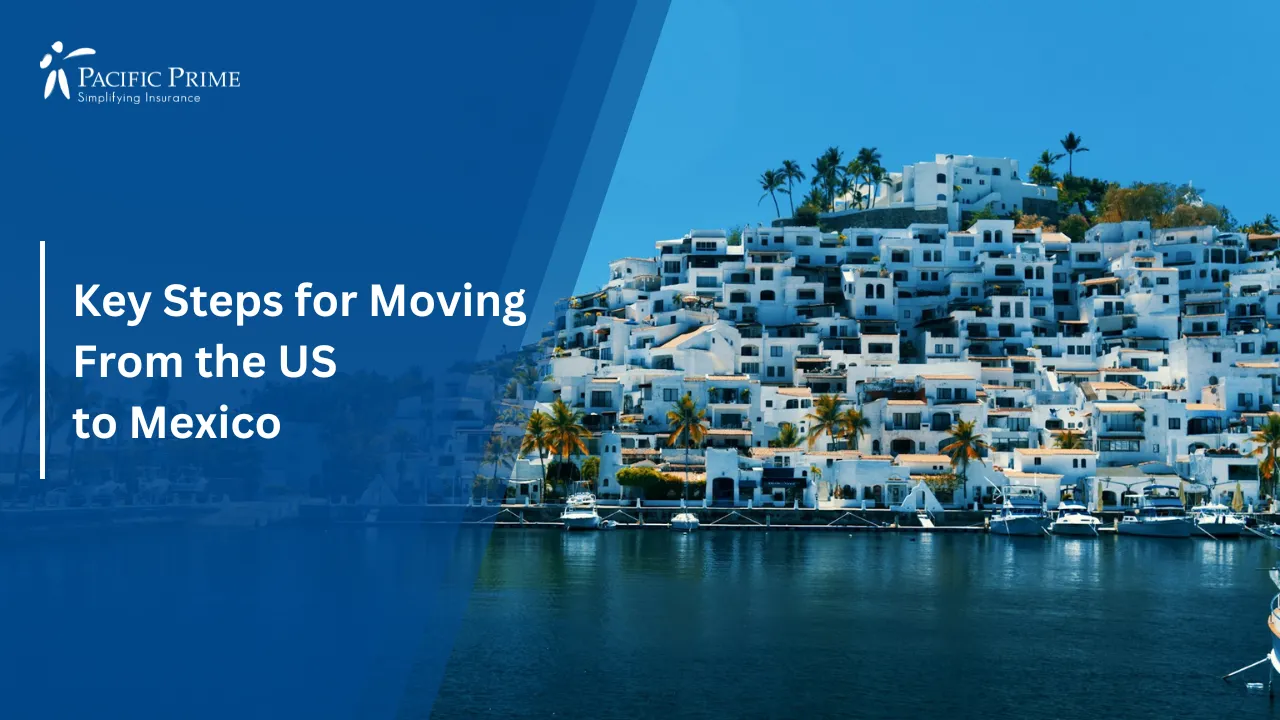
Moving to Mexico involves six steps, from completing the legal requirements to embracing Mexico’s culture and new life in the country. We will walk you through all six steps to provide you with a thorough understanding of what moving to Mexico will involve.
Step 1: Get Your Mexico Residency Visa
The first step in moving to Mexico should always be to organize your legal affairs, including visa and residency applications. For an American, you must apply for a temporary residency visa, which allows you to stay in the country for up to four years.
How to Apply for Mexico’s Temporary Residency Visa
Mexico’s temporary residency visa is available for those who want to live in Mexico for more than 180 days and less than 4 years. To apply, you must complete the application on the Mexican embassy’s website and then make an in-person appointment at the embassy or consulate.
After you have given the Mexican embassy or consulate all the necessary documentation and your visa has been processed, you can receive your temporary residency visa.
The necessary documents for a Mexico temporary residency visa include:
- Original and copy of valid passport
- Visa application form
- A photograph no more than 6 months old (3.9 cm x 3.1 cm)
- Documentation proving your financial solvency
- Document proving your residency in the US
Additionally, starting from January 1, 2026, you will be required to pay between USD $615 and USD $1,390 as a visa fee, depending on the number of years you choose to apply for. Click here for a list of all the locations of Mexican consulates in the US.
Mexico Visa Income and Eligibility Rules
Foreigners moving to Mexico can qualify for a temporary residency visa either through proof of a certain monthly income or an adequate savings balance. You can also qualify for a temporary residency visa by owning property in Mexico and making a capital investment in a Mexican company.
The monthly income required for a temporary visa is USD $4,185 per month, and for those applying on a savings balance, proof of at least USD $69,750 in account balance over the last 12 months is required.
Your income must be documented with 6-12 months of bank statements.
Step 2: Set Up Banking and Manage Money in Mexico
After receiving their visa, US citizens will need to move all their finances and banking to Mexico. You can either open up a bank account online or in person once you have your temporary residency visa, and most international banks will be able to help you exchange your currency for Mexican pesos.
When opening your bank account in Mexico, you will need to provide proper identification and other necessary documents. The documents and information required will depend on the bank you choose. These documents may include:
- A valid passport
- Proof of address
- Valid visa
Once you have a bank account set up in Mexico, you can begin making necessary purchases for your new life in the country by buying things like a place to live and health insurance.
Step 3: Arrange Health Insurance for Mexico
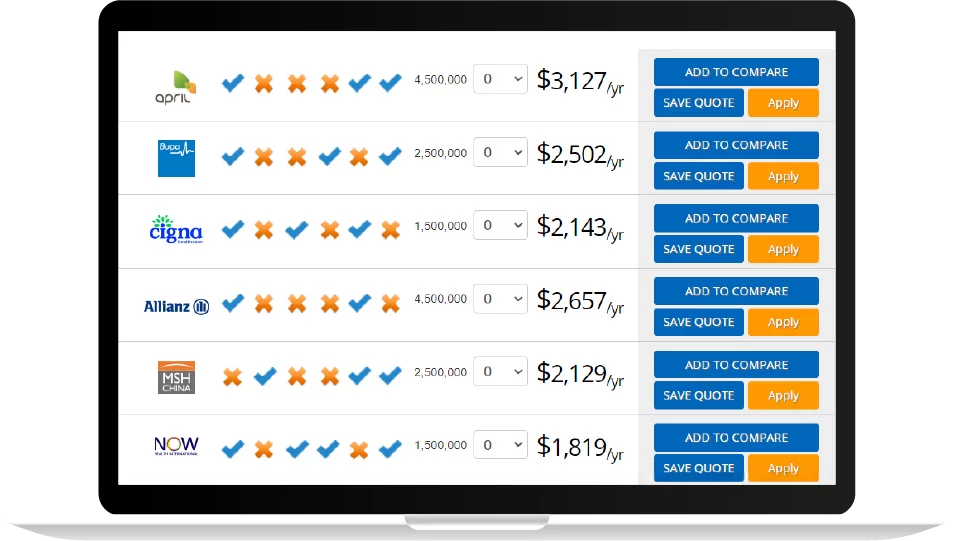
US citizens can purchase a health insurance plan from local providers in Mexico, or they can purchase international health insurance from an international provider. The perks of buying an international health insurance plan include having coverage back home in the United States as well.
International health insurance can also cover you anywhere across the globe, which can be especially useful to those who plan to travel frequently. If you plan on visiting Mexico’s neighboring countries frequently, an international health insurance plan can cover you on all your trips.
With health insurance, you’ll be protected financially from paying high medical bills out-of-pocket. International health insurance can be purchased directly through an insurance provider’s website or an insurance broker.
Public vs Private Healthcare in Mexico
Mexico’s healthcare system comprises public and private healthcare facilities. The Instituto Mexicano de Seguro Social (IMSS) is Mexico’s employer-funded healthcare program, and expats employed by Mexican employers are eligible for this coverage.
Private healthcare facilities in Mexico offer shorter wait times and higher standards of care than public healthcare facilities. They also have more multilingual staff, which can be extremely beneficial to expats who aren’t fluent in Spanish yet.
Step 4: Choose Where to Live in Mexico
Choosing a place to live in Mexico is a crucial part of moving, and Mexico has many rental apartments available to foreigners. When finding your dream place, make sure to consider factors like your ideal climate, cost of living, and whether you’d like to live inside the city or out.
Some of the most popular places to live among expats include:
- Puerto Vallarta
- San Miguel de Allende
- Lake Chapala
- Huatulco
- Mérida
- Tulúm
- Los Cabos
Mexico is an expansive country with many different climates, cities, and suburbs that offer something for everyone. Where you choose to live has a significant effect on the cost of renting, with prices varying greatly across cities and areas.
A one-bedroom apartment in the center of one of Mexico’s cities can average around USD $1,150 per month, while a one-bedroom apartment outside the city center will average around USD $680. You should consult your budget thoroughly when deciding where to live in Mexico.
Step 5: Job Options for US Expats in Mexico
Unemployment rates in Mexico are on the rise, which may make finding a job in Mexico challenging but not impossible. Some jobs that are popular with US expats include English teachers and tutors, and working in tourism and food service.
To work in Mexico for a Mexican employer, you will need a work visa. You will not be able to apply for this visa on your own, as your employer will do it on your behalf. Once you have been issued your work visa, you can apply for your temporary residence permit when you move to Mexico.
Step 6: Settle In and Adapt to Mexican Culture
Once you have moved into your new home in Mexico, you can embrace the country’s beautiful culture by taking advantage of the many recreation opportunities and expat communities near you. Mexico is a vibrant country with a rich cultural history that draws expats and foreigners alike.
To fully embrace the culture, try to get involved with your community as much as possible. Take advantage of every opportunity to get to know your neighbors, and take the time to learn and understand your new home’s traditions.
Celebrating cultural festivals like the Day of the Dead is a great way to embrace Mexico’s history and get involved with your community.
Best Places to Visit and Explore in Mexico
US citizens moving to Mexico should take advantage of the many sightseeing and recreation opportunities in Mexico, like the archaeological sites Teotihuacan and Chichen Itza. Or they can visit the many beaches in Puerto Vallarta and Playa del Carmen.
With Mexico’s diverse climate and geographical terrain, expats can enjoy many outdoor activities like hiking or horseback riding. Enjoy traversing through the jungles or hiking along the coast of Jalisco.
Ways to Meet and Join Expat Groups in Mexico
US expats in Mexico can find support in local and online expat communities, which are easily accessible all across the country. For online expat communities, check out websites like Internations.org, and to find local expat communities, try Facebook groups or Meetup.com


Important Things to Know Before Moving to Mexico
Some other factors that expats moving from the US to Mexico will want to consider are the cost of living, moving their family members, and learning the language. We will discuss these important factors in further detail below.
- Cost of Living: The cost of living in Mexico is lower than in the US, but it will depend on where you live. Additionally, if you work in Mexico, your salary will likely be lower. Consider your budget for housing, food, utilities, and other items to ensure you can afford the move.
- Moving Family Members: Your family can move with you to Mexico, but they will need to apply for and be approved for temporary residency visas. Additionally, the monthly income or savings limit required for a temporary residency visa will rise with each family member you bring with you.
- Learning the Language: It isn’t required to learn Spanish to live in Mexico, but it is highly recommended so you can acclimate to the culture and make connections more easily. You will have a much easier time adjusting to your new home if you have at least a basic understanding of Spanish.
FAQs About Relocating to Mexico
Do I need to speak Spanish to move to Mexico?
It is not required to speak Spanish to move to Mexico, but knowing at least the basics of the language can be of great benefit. Many of Mexico’s population may speak English, but not all of them, which means you may be at risk of major miscommunication issues if you do not know Spanish.
What are the visa requirements for a US citizen moving to Mexico?
A US citizen moving to Mexico will need to apply for a temporary residency visa, which will require the applicant to provide proof that they can financially provide for living there and may also include a background check.
What are the options for schooling for expat children in Mexico?
Expat children in Mexico can enroll in either the public school system or in an international school. Some of the best international schools in Mexico include The American School Foundation, The Edron Academy, and Greengates School.
How much will Mexican residency fees be in 2026?
In 2026, Mexico’s Temporary Resident fees will be MXN 11,140.74 for a one-year permit (USD $624), MXN 16,693.36 for a two-year permit (USD $935), MXN 21,142.58 for a three-year permit (USD $1,184), and MXN 25,057.82 for a four-year permit (USD $1,404).
Conclusion:
After securing your temporary residence visa, US citizens can begin their move to Mexico. You will also need to remember to move your finances to Mexico and acquire new health insurance that will cover you abroad.
If you’d like to learn more about international health insurance for your time in Mexico, contact the insurance experts at Pacific Prime. We have over 25 years of experience in helping our clients find health insurance options that work for them, no matter where their travels take them.
You can use our free quote tool to begin comparing quotes yourself, or you can speak with an insurance broker to have them provide the quotes for you. We are happy to help answer any questions you may have and welcome you to call us at 1-800-868-1451.
If you enjoyed this article, check out our others on topics like moving to Mexico from Canada and choosing the right hospital for childbirth in Mexico.

With her background as an avid traveler and as an exchange student in Spain, Palida values the benefits of insurance and understands the frustrations that may come with making the best decisions for your health and safety in an unknown environment. Here at Pacific Prime, she aspires to create content that will help expats and travelers understand international health insurance with ease.
In her spare time, Palida enjoys reading short stories as much as binging on sitcoms. She is also a self-proclaimed "foodie" with the goal of trying as many cuisines from all over the world as possible. Combining her passion for writing with her love for food, she is an aspiring Google Local Guide reviewer.
- LUMA Thailand Insurance Guide for Expats in 2026 - July 29, 2026
- GIG Gulf Insurance for Dubai Expats in 2026 - April 27, 2026
- Thailand Elite Visa 2026 Updated: Membership Options, Costs & Benefits - April 25, 2026

Comments
2 Comments
What steps can expats take to ensure they comply with Mexico’s tax laws, especially if they have income from multiple countries?
To comply with Mexico’s tax laws, expats with income from multiple countries should first register with Mexico’s tax authority (SAT) and obtain a Tax ID (RFC). They must determine their tax residency status, as those spending more than 183 days in Mexico may be considered tax residents and required to report worldwide income. Consulting a local tax advisor is essential for understanding treaty benefits and avoiding double taxation on international income.
If you’re looking for advice on international health insurance or planning your move to Mexico, feel free to contact our team of experts via the Pacific Prime Contact Us page!
Ask a Question
We'll notify you
when our team replies!