
Stem Cell Therapy Cost Comparison in Thailand: How Insurance Helps
Thailand has emerged as a leading hub for regenerative medicine, attracting patients from around the world. Top hospitals like Bumrungrad and Bangkok Hospital provide advanced stem cell therapies, combining modern facilities with relatively affordable costs for medical tourists and expats alike.
Discover the world's top
health insurers.
Compare quotes with
a click of the button.
What does stem cell therapy cost in Thailand? How do prices differ between hospitals or clinics? Can expats use insurance to reduce out-of-pocket expenses? Are there hidden fees for cell processing, physician consultations, or follow-ups that patients should know about?
In this Pacific Prime article, we break down stem cell therapy costs across Thailand, explain factors that affect pricing, and show how international health insurance can help expats access treatment safely and efficiently while minimizing financial risk.
What is Stem Cell Therapy?
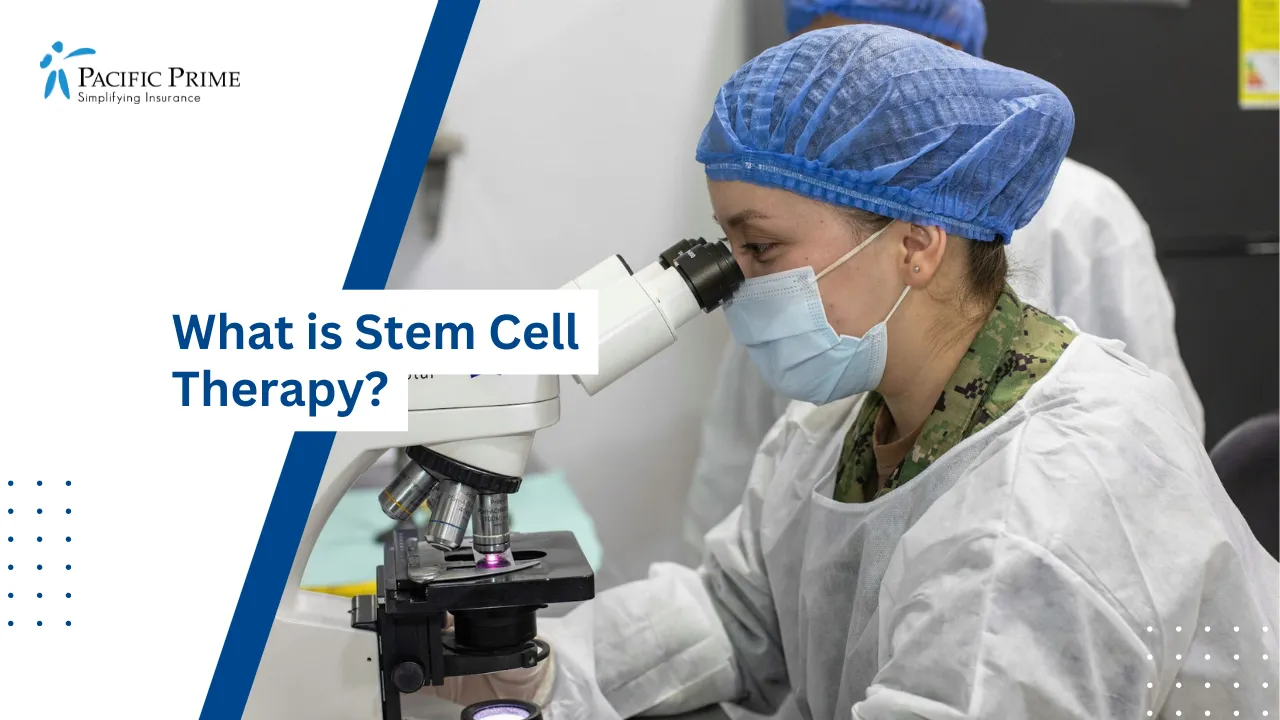
Stem cell therapy uses the body’s own cells or donor-derived cells to repair, replace, or regenerate damaged tissue. Treatments can be autologous (patient’s own cells) or allogeneic (donor cells), depending on the condition and therapy protocol.
Common applications include orthopedic issues like knee or spine injuries, neurological conditions, cosmetic procedures, and hair restoration. The approach and complexity vary by indication, which directly impacts treatment costs and expected outcomes for patients.
Protocols, lab processing, and clinical evidence differ across conditions. More advanced or experimental therapies, such as spinal or neurological injections, usually involve higher costs due to specialized equipment, lab facilities, and multiple treatment sessions.
How Prices for Stem Cell Therapy Are Set
Stem cell therapy costs in Thailand vary widely based on several factors. Here’s a breakdown of key elements influencing pricing:
- Cell Source & Processing: Autologous therapies, using the patient’s own cells, are typically less expensive than allogeneic treatments, which involve donor-derived cells. Processing methods, such as adipose tissue extraction or bone marrow aspiration, also impact costs.
- Treatment Protocol & Routes: The complexity of the treatment protocol, including the number of injections and the administration route (e.g., intravenous, intra-articular, or intrathecal), affects pricing. More invasive procedures generally incur higher costs.
- Pre-Op Testing & Hospital Fees: Comprehensive pre-operative evaluations, including imaging and laboratory tests, contribute to the overall expense. Hospital fees encompass facility usage, equipment, and staff services.
- Accreditation & Technology: Clinics with international accreditations, such as JCI, and those equipped with Good Manufacturing Practice (GMP)-certified labs, often charge higher fees due to adherence to stringent safety and quality standards.
- Geographic & Facility Premium: Treatment costs can vary by location within Thailand. For instance, clinics in major cities like Bangkok may have higher fees compared to those in smaller cities like Chiang Mai or Phuket, reflecting local economic factors and facility amenities.
Hospital & Clinic Cost Comparisons
Below, we compare stem-cell therapy providers in Thailand, including their services, accreditations, strengths for expats, and cost ranges. This gives you a clearer picture of where you might receive treatment, what you’ll likely be charged, and how provider quality varies.
Bumrungrad International Hospital (Bangkok)
Bumrungrad International Hospital in Bangkok stands among Thailand’s most premium private medical centers. Known for its international patient services and high-end infrastructure, it caters to complex regenerative treatments, including stem-cell programs integrated with tertiary care.
- Services: advanced regenerative programs, including stem-cell therapy integrated within a full tertiary hospital environment, making it suitable for complex or high-risk cases.
- Accreditation & Reputation: JCI-accredited, strong international patient base, sophisticated lab and hospital infrastructure.
- Cost Range/Notes: Given its premium tier, expect pricing at the top end — sources suggest treatments may exceed USD $5,000–15,000 (≈ THB 200,000–650,000+).
- Expat Strengths: English-speaking staff, international patient services, high safety standards; cost is higher, but quality and trust are premium.
Bangkok Hospital Group (Bangkok & Regional)
The Bangkok Hospital Group offers one of the largest networks of private hospitals in Thailand, with a focus on orthopedics, neurology, and regenerative medicine. It appeals to expats seeking reliable treatment across multiple branches in Thailand.
- Services: orthopedic and neurology-related regenerative treatments, including stem-cell options for joints, spine, and sports injuries.
- Strengths: Large network of hospitals, comprehensive imaging suites, ICU backup, good for expats who want major hospital support.
- Cost Range/Notes: Reported averages show stem-cell therapy around USD $10,000 (≈ THB 340,000) in Bangkok.
- Expat Strengths: Broad infrastructure, English-friendly support, extensive hospital network; cost remains high relative to smaller clinics.
Samitivej Sukhumvit Hospital (Bangkok)
Samitivej Sukhumvit is well-regarded among expat families in Bangkok, known for its family-oriented care and international services. It also provides stem-cell/regenerative protocols, particularly for orthopedic use.
- Services: Private hospital popular with families and expats; while its main focus is pediatrics/maternity, it also offers some regenerative/orthopedic protocols, including stem-cell injections.
- Strengths: Strong service orientation, supportive of international patients, good expat reputation.
- Cost Range/Notes: Stem-cell treatments here likely fall into the USD $4,000–10,000 range (≈ THB 136,000–340,000), depending on indication.
- Expat Strengths: Excellent language support, family-friendly environment, trusted private hospital brand.
Private Hospitals in Tourist Regions (e.g., Phuket)
Phuket is a major hub for medical tourism, and several private hospitals and clinics there are expanding into regenerative and stem-cell services. For example, Siam Clinic Phuket and CityCare Clinic Phuket offer stem-cell-based anti-aging and wellness programs in a resort-style environment.
- Services & Audience: Clinics/hospitals in Phuket offer regenerative treatments (orthopedic, cosmetic stem-cell protocols) targeting medical tourists.
- Strengths: Attractive recovery setting, tourism-friendly, English-speaking staff, bundled wellness/travel options.
- Cost Range/Notes: Average in Phuket is USD $7,400 (≈ THB 251,600), with min ~USD $1,800 (≈ THB 61,200) and max ~USD $13,000 (≈ THB 442,000).
- Expat Strengths & Caution: Beautiful location and full service, but ensure lab quality and transparency of protocols.
Chiang Mai Private Hospitals and Clinics
Chiang Mai is emerging as a growing hub for regenerative and stem-cell therapy, offering more affordable alternatives to Bangkok’s private hospitals. The city’s slower pace and lower cost of living also make it an appealing choice for expats seeking recovery and rejuvenation.
Featured Clinics:
- Chiang Mai ALIST Clinic (Mahidol Branch): Offers MSC stem-cell injections (5 million cells) for rejuvenation at around ฿25,000 (≈ USD $700). Popular among locals for aesthetic and wellness programs.
- Meda Clinic Chiang Mai: Provides cosmetic and regenerative stem-cell treatments priced ฿29,000 – ฿39,000 (≈ USD $800–1,000), depending on indication and number of sessions. Known for transparent pricing and promotional wellness packages.
- The Regeneration Center: Bangkok-based provider with partnered facilities in Chiang Mai, offering advanced regenerative and rehabilitation protocols, including IV and orthopedic stem-cell therapy for international clients.
Specialist Private Clinics
Beyond full hospitals, there are specialist clinics in Thailand that focus exclusively on stem-cell therapy for specific indications such as knee regeneration, hair restoration, or anti-aging. Clinics such as Vega Stem Cell Clinic and Revival Clinic may offer more tailored packages but require careful credential checking.
- Services: Focused stem-cell centers offering packages for knees, hair loss, and anti-aging (IV or local injections).
- Strengths: Specialized offering, often streamlined treatment, and lower overhead than full hospital systems.
- Cost Range/Notes: Some packages are advertised from USD $2,500–8,000 (≈ THB 90,000–300,000); premium protocols or multiple sessions raise cost.
- Expat Caution: Accreditation, physician credentials, and GMP lab certification vary greatly — lower cost doesn’t always equal the same quality.
Side-by-Side Cost Comparison
| Provider / Clinic | Location | Typical indication(s) | Price range (USD / THB) | Accreditation/notes |
| Bumrungrad International Hospital | Bangkok | Complex regenerative, tertiary care (orthopedic, cardiac adjuncts) | USD 5,000–15,000+ / THB 200,000–650,000+ | JCI-accredited; on-site labs; strong international patient services |
| Bangkok Hospital Group | Bangkok & regional | Orthopedic, neurological, and sports injuries | ~USD 6,000–12,000 / THB 200,000–410,000 | Large private network; advanced imaging/ICU |
| Samitivej Sukhumvit Hospital | Bangkok | Family/orthopedic regeneration, joint therapy | USD 4,000–10,000 / THB 136,000–340,000 | Well-known expat hospital; private hospital standards |
| Phuket private hospitals/clinics (e.g., CityCare / Siam Clinic Phuket) | Phuket | Orthopedic, cosmetic, wellness packages | USD 1,200–20,000 / THB 40,000–700,000 | Good tourist-patient services; accreditation varies by facility |
| Chiang Mai clinics (ALIST, Meda, Regeneration Center partners) | Chiang Mai | Orthopedic, cosmetic, wellness | USD 700–13,000 / THB 25,000–442,000 | Mixed — some clinics; hospital partners vary in lab capability |
| Specialist stem-cell clinics (Vega Stem Cell, Revival Clinic) | Bangkok / various | Knee regeneration, hair restoration, and anti-aging | USD 2,500–8,000 / THB 90,000–300,000 | Specialist focus: accreditation and GMP lab status vary widely |
Safety, Regulation & Outcomes
Thailand regulates stem cell therapies through the Thai FDA, ensuring treatments meet strict safety, quality, and efficacy standards. Clinics must follow approved protocols for cell sourcing, processing, and administration to protect patients and maintain high care standards.
The regulatory landscape is evolving. While some clinics follow approved protocols, others offer experimental therapies. Patients must verify Thai FDA compliance and ethical sourcing before proceeding, as not all treatments are equally regulated or evidence-based.
GMP-certified laboratories are essential for cell processing. Clinics should use ethically sourced stem cells, with all procedures conducted under licensed physicians’ supervision. Proper lab protocols reduce risks, improve safety, and ensure cells remain viable for therapeutic use.
JCI accreditation indicates adherence to international patient care and safety standards. Patients should prioritize accredited clinics and confirm that peer-reviewed evidence supports their specific therapy. Verification of credentials and lab quality ensures optimal safety and clinical outcomes.
How Insurance Can Help
Expats considering stem cell therapy in Thailand should understand how international health insurance can reduce financial risk. While elective and experimental treatments are often excluded, insurance can still cover inpatient care, complications, physician fees, and emergency evacuation.
What Insurance May Cover
Policies typically cover inpatient stays, physician fees, complications, emergency care, and evacuation or repatriation. Elective or experimental therapies like stem cell treatment may be excluded, but associated medical care is often insurable.
Coverage can also extend to follow-up hospital visits or urgent care related to the procedure. Understanding plan limits and optional add-ons helps expats maximize benefits while avoiding surprise bills during treatment in Thailand.
Pre-Authorization & Claims
Pre-approval is critical for expensive procedures. Insurers, including Pacific Prime, assist in securing cashless arrangements at private hospitals, reducing upfront out-of-pocket payments for costly therapies and ensuring treatment runs smoothly.
Submitting complete medical documentation speeds approvals and clarifies what the insurer will cover. Pre-authorization also protects patients from unexpected denials, giving expats peace of mind during treatment and follow-up care.
Typical Exclusions & Workarounds
Experimental or clinical trial treatments are often excluded from coverage. However, complications from these procedures may be claimable if deemed medically necessary, providing partial financial relief for unexpected issues.
Proper medical necessity documentation increases the likelihood of approval. By working with experienced brokers like Pacific Prime, expats can navigate exclusions, clarify benefits, and access support for follow-up or related care.
Frequently Asked Questions
Is Thailand a good place for stem cell therapy?
Thailand, particularly Bangkok, hosts some of Asia’s leading medical centers, featuring advanced technology and expert healthcare staff. This ensures stem cell therapies are delivered with top-tier care and precision.
How does Thailand rank in healthcare?
Thailand ranks sixth on the Global Health Security (GHS) Index, standing out as the only non-high-income country in the top ten. The index evaluates nations based on health security, epidemic preparedness, and related capabilities.
Which expat hospital is the best in Thailand?
Renowned globally, Bumrungrad International Hospital provides exceptional healthcare, from accurate diagnoses and routine checkups to highly effective treatments for a wide range of medical conditions.
Conclusion
Stem cell therapy costs in Thailand vary widely, from specialist clinics at USD $2,500 to premium hospitals exceeding USD $15,000. Hospitals provide high safety and advanced infrastructure; clinics may be more affordable, but quality varies. Always request written quotes and check credentials.
Insurance rarely covers elective or experimental treatments, but it can protect against complications, emergency care, and evacuation. Expats should contact a broker like Pacific Prime early to compare plans, arrange cashless access, secure pre-authorization, and clarify policy wording for approved regenerative procedures.
With over 25 years of experience, Pacific Prime helps expats identify insurers covering approved treatments, complications, and evacuation. Brokers manage pre-approval, claims, and policy details to ensure safe, cost-transparent access to stem cell therapy in Thailand.
Contact us today and get a free quote. Our expert advisors will guide you to the best plan for protection, compliance, and peace of mind.

After obtaining his Bachelor’s Degree in Social Sciences, International Relations from Mahidol University International College, Veerabhatr has forged his career as a content writer in the travel, lifestyle, and real estate industries, writing in both English and Thai. He now continues to hone his skills as a writer at Pacific Prime, looking to engage and educate the audience by simplifying insurance.
Writer by day, and a DJ by night, Veerabhatr is a staunch music lover, and listens to all spectrums of genres available. He also loves to drink beer (moderately), eat all types of food, go to the beach, and learn about different cultures across the globe. He is also a die-hard fan of football and motorsports.
- The Cost of Living in Italy in 2026 - May 8, 2026
- 12 Best Places To Live In Nepal in 2026 - May 8, 2026
- The Best Life Insurance in Hong Kong in 2026 - May 6, 2026

Comments
Comments are disabled for this post
We'll notify you
when our team replies!