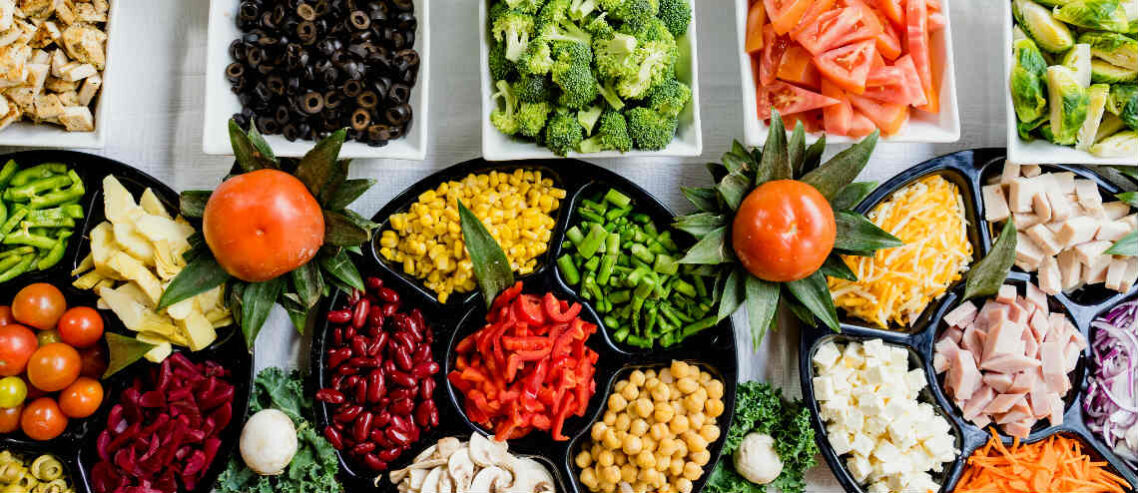
Top 10 Superfoods to Improve Your Health
There is an old adage that states ‘you are what you eat’, and it remains as true today as it did hundreds of years ago. In a world where obesity is becoming a serious problem and cholesterol related heart disease is the number one killer in the USA, you don’t have to go too far to find the problem. The food that we eat is, generally, extremely unhealthy. There is a rising trend where individuals are preferring to eat trans-fat laden fast food and other extremely unhealthy produce; leading in a rise to dietary related illnesses. With that in mind here is our list of the 10 healthiest foods in the world.
- Fish

Throughout the centuries mothers have often told their children to eat fish claiming that it would “make them smartâ€, and for centuries children have refused to eat the smelly thing on their plate or swallow the spoonful of cod liver oil that was thrust in their direction. According to science however, your mother was right. Not 100% right, but correct enough to know that eating fish is extremely good for you.
Salmon, and other cold-water fish like tuna, mackerel and halibut, are all rich in omega-3 fatty acids. Omega-3 fatty acids can decrease blood pressure, lower the risk of stroke, reduce the levels of triglyceride, and reduce the accumulation of plaque in arteries; essentially making it the superhero of the food world. In addition to this, Salmon is also a great source of protein and is low in saturated fat and cholesterol.
So as your mom said, “eat it, its good for youâ€.
- Whole Grains

We’re talking about three things when we say ‘whole grains’, and those are bran, germ and endosperm; and if that went way over your head stick with us. Whole grains are the cornerstone to any healthy diet. Rich in vitamins B and E, magnesium, zinc and selenium, these foods are known to help steady blood sugar and insulin levels, and may help reduce the risk of heart disease. Basically whole grains help you regulate your circulatory system and keep you a stable, happy and healthy person.
It is important to note however, that not every food labeled “100% wheat,†“seven-grain,†“organic,†“bran†and “multi-grain†will contain whole grains, and you may have to check the box to ensure that all three grain elements are listed on the ingredients of the food product. Foods like oatmeal, barley, whole wheat flour, and brown rice are all whole grain foods.
- Nuts

No, not those nuts get your mind out of the gutter; we mean Almonds, Walnuts and Peanuts. Nuts are one of the best sources of protein from plants and are also great for your heart. Even though nuts contain a large amount of fat and calories, they can help weight loss. Some nuts contain helpful amounts of selenium, a powerful antioxidant. Nuts also help the body’s intake of key nutrients and help lower the intake of cholesterol, trans fats, sugars, and excessive sodium. A serving of half an ounce of nuts per day is a heart-friendly snack.
This isn’t a recommendation for you to sit down on the couch and go at it with the peanut butter jar but nuts, like almonds and walnuts, are full of fiber, iron, riboflavin, calcium and magnesium. Almonds are high in calcium and one serving of almonds provides half of your daily allowance of vitamin E. The fat in almonds, a monounsaturated fat, may also help reduce the level of blood cholesterol.
- Legumes
Beans, lentils, and peas all fall under the Legume classification, essentially these are all the vegetables that, when you were a child, you saw and went ‘eeeewww’. However, the legume family can provide a remarkable amount of energy that can last for hours. A single serving of cooked beans (about one-third of a cup) contains little fat, no cholesterol, only 80 calories, and ample complex carbohydrates.
Apart from the quick energy fix that legumes provide they also contain nutrients like fiber, protein, vitamin B6, folate, potassium, phosphorus, magnesium, thiamine, calcium, zinc, manganese, iron and copper; the essential minerals and vitamins that you need to survive. Say what you like about the Legume family, those little beans sure do pack a punch.
- Spinach
Spinach is probably the only food on this list ever to have a successful marketing campaign. We all remember Popeye from our youth, and who could ever forget the image of that jolly sailor popping open a can of spinach and guzzling it down. In reality spinach is one of the single healthiest foods you can include in your diet. Spinach is rich in fiber, antioxidants, vitamins and minerals. As spinach has nearly zero calories, you can eat as much of it as you like. Spinach is high in vitamins A, C, E, and B6, iron, folate, riboflavin, magnesium, and calcium. Spinach has nearly half of the recommended daily allowance of vitamin C.
The plant compounds found in spinach can help the immune system as well. These compounds are also thought to keep skin and hair healthy as well. A Harvard Medical School study showed that eating spinach may also help your memory as you age. So while this extremely green and leafy vegetable may not appeal to many people, you should definitely start eating the Popeye diet.
- Apples
The humble apple is often forgotten on many lists in favour of alternate citrus fruits. However, the old saying, “an apple a day keeps the doctor away†is not far from the truth. Apples are rich in fiber and vitamin C. Vitamin C is an antioxidant that protects the body’s cells from damage. Vitamin C also helps keep capillaries and blood vessels healthy by forming the connective tissue collagen. Iron and folate are absorbed more quickly into the blood when vitamin C is present. One apple provides 25% of your daily requirement of vitamin C. Apples also contain other antioxidants, like flavonoids and other polyphenols.
Apples are also high in pectin, which is a type of fiber that lowers glucose and blood cholesterol levels. Pectin is most concentrated in the apple peel, or skin. Apples may help those with blood sugar issues like diabetes, and may also help maintain weight control. Apples are a type of carbohydrate that has a low glycaemic index, or GI. Foods with a low GI are digested slowly. As the food is digested, it is released into the bloodstream as glucose. This causes a gradual rise in the level of blood sugar. Apples are not just a tasty snack but also provide a range of health benefits.
- Broccoli

Broccoli has the ability to strike fear into the hearts of grown mean at the mere mention of its name, never mind its appearance on the dinner plate. However, this crucifer-cousin spinach, has long been heralded for its health benefits as it contains nutrients like vitamins A, B, C, and K, fiber, calcium, potassium, folate, iron, magnesium, manganese, and phosphorus. Broccoli is also a great source of a range of healthful antioxidants.
Broccoli also contains phytonutrients that help prevent heart disease, diabetes, and certain cancers. Phytonutrients, or phytochemicals, are plant compounds that are thought to slow or even stop the growth of tumors. These phytonutrients also provide a boost to the immune system. So even if you tremble at the thought of this oddly shaped vegetable, give it a chance and you may just live longer.
- Berries

Berries including pomegranates, blueberries, strawberries, and cranberries are considered
to be highly nutritious. These fruits offer a number of health benefits ranging from
reducing the risk of cancer to inhibiting diseases like Alzheimer’s and Parkinson’s.
Berries contain vitamins B, C, K, and E, fiber, folic acid, and numerous other
antioxidants.
Blueberries are also among the healthiest of the berry family. They are a low calorie source of vitamin C and fiber. Eating blueberries is thought to help those suffering from diabetes, Parkinson’s, Alzheimer’s, and heart disease. Blueberries are another excellent source of phytonutrients. Research has shown that eating blueberries fights cancer better than most other fruits. Blueberries are also beneficial to the elderly as they promote memory and slow the aging process. Berries really are a tasty way to improve one’s health.
- Citrus

Citrus include such fruits as oranges, limes, lemons, and grapefruits. Citrus is the best known source for vitamin C. A single orange has an entire day’s worth of vitamin C. Oranges have been epitomized as the ‘complete package of natural anti-cancer nutrients’. Rich in antioxidants, citrus contains a variety of nutrients known to reduce the risk of cancer as well as heart and eye disease.
- Tomatoes

Tomatoes are high in vitamins A and C, and the strong antioxidant lycopene. Tomatoes are thought to benefit the heart and lower the risk of cancer. Grape tomatoes in particular are high in vitamins A and C, fiber, and some phytochemicals, which are known to reduce the risk of cancer. Tomatoes contain 40% of the recommended daily allowance of vitamin C, and 15% of vitamin A.
The red pigment in the flesh of tomatoes comes from lycopene. Tomatoes provide the single richest source of lycopene. This type of antioxidant can repair damage to DNA that causes wrinkled skin. Recent research also suggests lycopene may lower the risk of prostate, pancreatic, breast, and cervical cancer. Lycopene may also maintain mental and physical functions in older people. An Italian study found that 7 servings of raw tomatoes lower the risk of stomach and rectal colon cancers by 60%. Tomatoes really are an easy way to improve your health.
There you have it, the 10 healthiest foods in the world. It’s not surprising that fruits and vegetables make up a goodly proportion of this list, but it just so happens that they are the healthiest foods available.
5 ways to drink yourself to a healthier lifestyle
With the costs of healthcare rapidly rising everyone is looking to become healthier, mainly so that they can stay away from the doctors office. We have provided some fairly comprehensive advice as to how you can drink yourself to a healthier lifestyle.
- Drink Beer After Sport

A recent study by Spanish scientists has discovered that it may be better for athletes to have a beer after they play sport than to drink large amounts of water. The study showed that beer, because of its carbonation, was better able to quench thirst than water, and that the carbohydrates found in beer where able to help an individual retain fluids better than any other energy drinks. Even though many previous studies have shown alcoholic beverages to have a diuretic effect, scientists claim that one beer after exercise would not have a high enough alcohol content to create a loss in fluids.
What does this mean? Drinking a beer after working out can help you retain fluids and stay hydrated, keeping your body healthy and happy.
- Drink More Water
Water makes up approximately 60% of a persons total weight, and is one of the most essential ingredients of your biochemical make up. Over the years there have been many studies on the effect that water has on individuals and how much water a person should drink every day and while there are no hard and fast rules, scientists are fairly certain that everyone in the world should drink approximately 2.2 liters of good old fashioned H2O everyday.
Why should you drink more water? Outside the fact that water is a major part in your body’s chemistry, it also flushes toxins and unnecessary chemicals from your organs, carries nutrients to cells, and generally makes you feel happier.
- Find Alternatives to Pure Liquids
Many people find it hard to meet the scientifically prescribed liquid requirements each day. Let’s face it, trying to guzzle down 2.2 liters of water can be tough, and that’s if you remember to do it. There are alternatives out there to help you get the essential liquids that you need that do not involve drinking at all. Food provides almost 20% of a person’s daily total liquid intake, and eating foods that have a high water concentration, such as water melon or cucumbers can be an easy way to avoid having to use the tap.
Failing to absorb more water than you need is one of the major reasons for dehydration, and eating water rich foods can help avoid this as well as provide you with some essential vitamins and minerals. Don’t limit yourself to traditional liquid sources as there are alternatives.
- Have the occasional glass of red wine
Red wine is a source of a number of beneficial chemicals and minerals that have the potential to prevent a myriad of serious diseases. Science has found that particular compounds in wine known as catechins and resveratrol have anti oxidant and anti cancer properties, and can help you to live longer. A moderate amount of red wine (one to two glasses a day) can help lower a person’s risk of heart disease and decrease the risk of a person developing a peptic ulcer. There can be too much of a good thing, however, and over indulgence of any alcoholic beverage can lead to some dire health consequences, so only imbibe in moderation.
- Drink more tea
A study by the European Journal of Clinical Nutrition has found that drinking tea is actually better for your body than drinking water. Tea actually re-hydrates your body better than water, and coupled with the fact that tea is thought to prevent a number of serious health conditions, such as cancer, it quickly becomes evident that if you want to drink your way to a healthier lifestyle then tea is the way to go. Drinking 3-4 cups of tea a day can severely reduce the risk of an individual suffering from a heart attack in addition to the fact that tea is able to reduce tooth decay and plaque build up, strengthen bones, and provide large amounts of essential antioxidants. If you want to stay healthy, drink more tea.
10 States Where People Die Young(er)
One of the most surprising things about the USA is the fact that there is a huge disparity in the average life expectancy from state to state. As a country the USA has an average life expectancy of 78.2 years from birth. This ranks the US as the country with the 38th highest life expectancy in the world, falling just behind Cuba (78.3) and just above Portugal (78.1). This does not mean, however, that every one in the USA will live to an age of 78.2 years, and depending on the state that you live in, you may be living for a much shorter time.
The 10 US states with the lowest life expectancy are:
|
Rank |
State |
Life Expectancy |
|
10 |
Georgia |
75.3 years |
|
9 |
Oklahoma |
75.2 years |
|
8 |
Kentucky |
75.2 years |
|
7 |
Arkansas |
75.2 years |
|
6 |
West Virginia |
75.1 years |
|
5 |
Tennessee |
75.1 years |
|
4 |
South Carolina |
74.8 years |
|
3 |
Alabama |
74.4 years |
Even though it is not a state Washington DC tops the list with and average life expectancy of 72.6 years fewer than the federal average.
Life expectancy in the USA cannot be solely attributed to income disparity or social gaps, but rather the prevalence of chronic diseases in middle-aged and young adults. Factors such as drug use, infant mortality, income disparity, and violence, which were previously thought to be much more important, have come to play less of a role in determining life expectancies.
Researchers have classified 8 social or ethnic groups in the USA in terms of their life expectancy, and found that Asian Americans are expected to live 6.8 years longer than the national average, or until 85 years of age. This is a 32% longer life span than is associated with Native Americans living in South Dakota, and may say something about the lifestyle choices of the Asian population that lead them to avoid suffering from serious chronic conditions.
The second group with the highest average life expectancies in the USA is made up of an estimated 3.6 million, low income Caucasians, living in the Dakotas, Nebraska, Minnesota, Iowa, and Montana; proving that it is not always a large income that creates a long life. This group, which researchers have dubbed “America 2†are, on average, expected to live for 79 years, still well above the federal average.
Groups 7 and 8, comprising low income rural Southern Blacks and high-risk urban Blacks respectively, are only expected to live until the age of 71. This may be due to a number of factors including the prevalence of unhealthy lifestyles, high HIV/Aids rates, and violence. However, researchers point out that there is still no definitive criteria for determining exactly what will contribute to a longer lifespan, and that their understanding of this topic is still growing.
What they are sure of is, that much of the variation between different states and different ‘groups’ comes down to diet, exercise, and smoking, rather than healthcare, meaning that in order to live longer, you should take care of your self.
8 ways to prevent an early death
In today’s world everyone is trying to lead healthier lifestyles and live longer, but many people aren’t really sure where to start. With that in mind here are 8 easy ways for you to live longer.
1. Don’t oversleep, but make sure you rest up.

This may seem rather confusing, but bear with us. Scientists have found that people who sleep for more that 8 hours a night have a significantly lower life expectancy than the rest of the population, according to a study published in the Archives of General Psychiatry. This does not mean, however, that you are allowed to stay up all night drinking! Scientists also discovered that individuals who got 4 hours or less sleep a night also had reduced life expectancies. The optimal amount of sleep for a normal, healthy adult is between 6 -7 hours a night, and if you can do that consistently then you may live to be a grand old age.
2. Have Sex, and if you’re already doing it, have more.
We all like sex, it is hard wired into our genes, but according to the Journal of the American Medical Association, sex may be more than just a pleasurable reproductive activity. In men, it has been found, that higher rates of ejaculation lead to a lower risk of prostate cancer; and in addition to this, ejaculating causes the body to relax meaning that at the end of the day you will be more rested. Let’s not forget the obvious though, sex makes people happy, and in conjunction with the removal of stress and relaxation factors, this can help lower the risk of a stroke or heart disease, and keep your blood pressure down, leaving you a healthy and balanced person.
3. Get A Vertical Auto Profile Test
Get a what? Yes, that was our initial reaction as well, however a Vertical Auto Profile, or VAP, Test is the most accurate cholesterol test being used in medicine today. It is estimated that approximately 50% of people with heart disease where found to have normal cholesterol levels when using conventional testing methods. Remember that heart disease is the number one cause of death in the USA, and that it is usually caused by high cholesterol, and that 50% becomes pretty scary. What it boils down to is the fact that a VAP has been proven to detect 90% of the people with heart disease that undergo the exam. A VAP is a simple blood test and can let you know, almost immediately, if you need to change your lifestyle. Get a VAP and know whether you’re at risk.
4. Money; get it.
Everyone wants to get rich, but if you want to live longer then having money may actually serve a higher purpose. It’s all about income disparity! A study preformed by the American National Center for Health Statistics essentially tells us that poorer people are more likely to suffer from severe chronic illnesses than their wealthier compatriots. 24% of American who earn under US$ 20,000 a year suffer from a chronic condition, as opposed to the 6% who earn US$ 75,000. There may be a myriad of reasons for this, and researchers often site the fact that richer people can afford better healthcare, however there is no doubt that those in the upper income brackets live much longer than those at the bottom.
5. Stop Smoking
In this day and age it hardly constitutes a revelation when someone tells you that smoking is bad for your health. Emphysema, lung cancer, mouth cancer, constricted blood vessels, rapid aging of the skin, aggressive prostate cancer in men, and impotence (see point 2) won’t do anything for your prospects of a long life. Generally, smokers have a 50% chance of dying younger than non smokers; enough said.
6. Chill Out
Stress can cause the development of heart diseases and lead to severe strokes and as a study by Johns Hopkins University found, individuals with high stress levels where 6 times more likely to have a heart attack before they were 55. Basically what this means is that it is good to kick back and smell the roses every once in a while and let the stress/anger/extreme rage melt away. Go to a masseuse, lay off the caffeine, step out of the board room, and take the time to truly enjoy life. Not only will you live longer, but you will have enjoyed and experienced more at the same time.
7. Relocate…. To Japan.
That may seem like a fairly odd way for you to extend your life, but at 82.6 years, Japan has the highest life expectancy in the world; well above the global average of 67.2. But what is the crucial factor that helps the Japanese live longer? A better diet and lots of green tea, Japan tends to eat more fresh produce than the USA or UK, and Japanese nationals tend to shop at markets everyday; relying less on preservative packed and sugar coated foods than the west has helped Japan crush the competition when it comes to living longer. Maybe this point could have been “eat better foodâ€, but we think that moving to Japan would be a lot cooler.
8. Exercise
This one is a no-brainer, exercising releases endorphins, endorphins make you happy, being happy helps you relax, relaxing helps you live longer; ergo exercise makes you live longer. In addition to the release of endorphins exercise also helps to create muscle, strengthen bones, strengthen your heart, and build up the immune system. People who exercise will always live longer than those who don’t, it’s that simple.
So there you go, these are our tips for living longer, no go out and do it!