
Category Archive For "Employee Benefits"

10 Tips to Innovate Your Company’s Employee Benefits
Employers can innovate their company’s employee benefits by focusing on long-term wellness, applying new technology, seeking inspiration from their employees, regularly reviewing effectiveness, and by following other tips. We understand that there is no one-size-fits-all plan for employee benefits since companies vary in terms of size and budget, which is why HR teams may have …
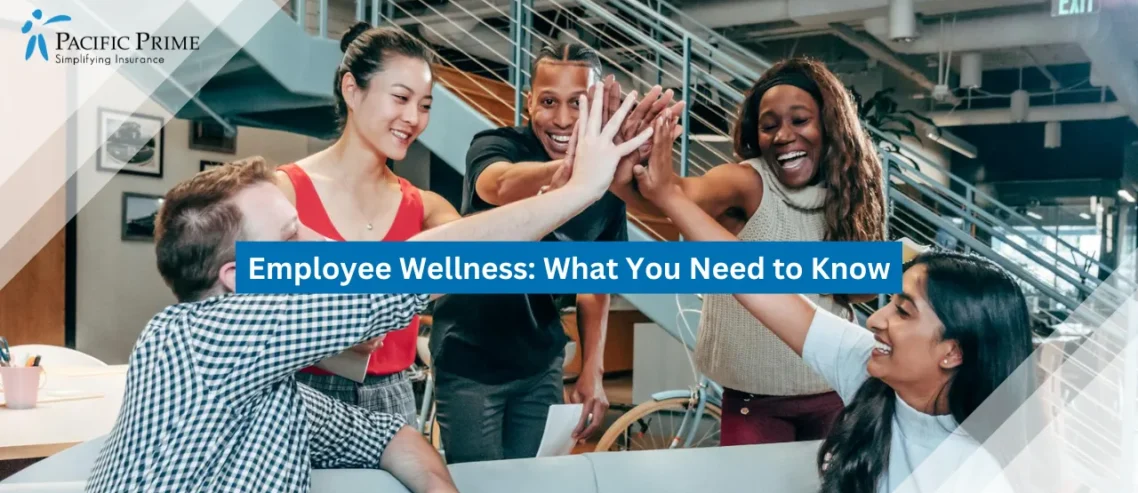
Employee Wellness: What You Need to Know
As one of the most valuable assets of an organization, employees’ health and wellness directly impact the success of a company. Employers who understand this know that investing in employee wellness programs is a must. Companies often launch wellness programs for their workers in an effort to boost their emotional and physical well-being. Why? Employees …

What Are the Key Elements of Successful Global Benefits Strategies?
The most successful international packages are supported by well-thought-out global benefits strategies which not only seek to improve delivery and take up of your company perks but also set out to monitor and evaluate the plan’s performance over time. Are you a CEO or HR professional wondering how to make the most of your global …

5 Metrics to Evaluate the Impact of Your Employee Wellness Program
Measuring return on investment (ROI) is challenging for any business, and employee wellness programs make it even trickier. As more companies invest in workplace wellness, effectively tracking metrics allows employers to determine if these initiatives benefit employees and the company. Are you concerned about whether your employee benefits are making a positive difference? Are you …

Why DEI Matters in the Workplace
A diverse, inclusive, and equal workplace allows employees to openly share their talents and skills without fear of alienation or prejudice. Companies who utilize DEI also experience improved innovation, problem-solving, and retention—plus a favorable reputation. Are you an employer wondering how DEI initiatives should impact your company? Or maybe you’re confused about the topic altogether? …

Part-time Employee Benefits: Three Reasons to Extend Perks to Staff with Non-Standard Hours
Employers should consider implementing employee benefits for part-time staff to cater to the values of employees, engender employee loyalty, and address any pay gaps to ensure full workplace equality and talent retention. Offering employee benefits to part-time workers can be tricky: benefits requirements often depend on the labor laws of the countries you operate in …

Employee Benefits Plans: Important Things to Remember When Structuring
Companies offering data-driven and comprehensive employee benefits packages draw top talent to their teams and more easily boost healthy work-life balance and positive work culture. Utilizing blended benefits helps your company to maximize your offerings—and make sure they’re used. Are you a Human Resources professional or someone who administers your company’s group health insurance plan? …
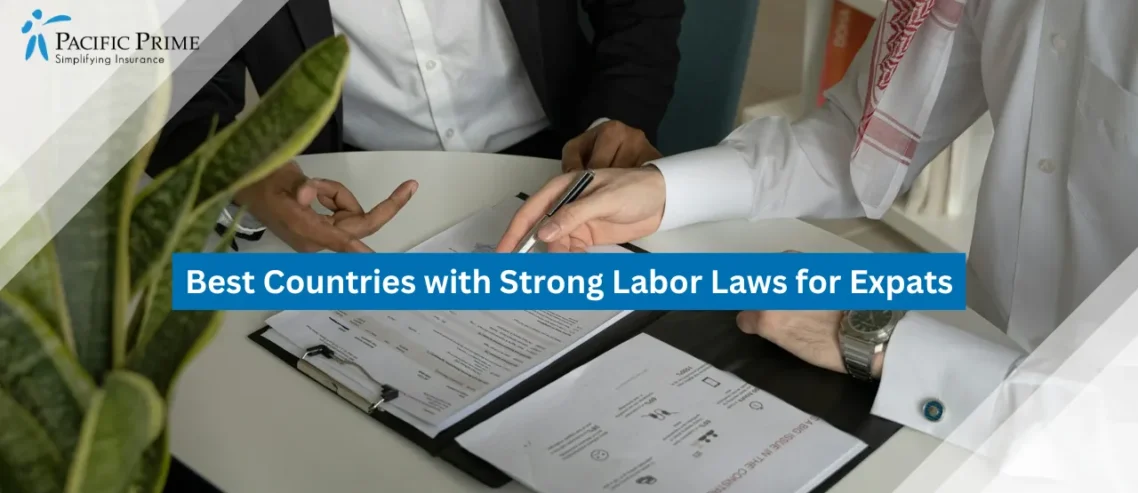
Best Countries with Strong Labor Laws for Expats
Looking for countries with the best labor protections for expats? Nations like Germany, France, Denmark, and Australia lead the way with progressive labor laws that prioritize employee well-being, job security, paid leave, and flexible working conditions. These countries stand out for promoting healthy work-life balance, supporting families, and ensuring fair treatment in the workplace. A …

What Every Employee Wants from Workplace Wellness Programs
Comprehensive wellness initiatives are crucial for attracting and retaining top talent in 2025. Workplace wellness programs are also essential to helping companies adapt to hybrid work models to addressing rising concerns about employee burnout and mental health. Are you an employer preparing your employee benefits package? Maybe you’re unsure of which benefits add the most …
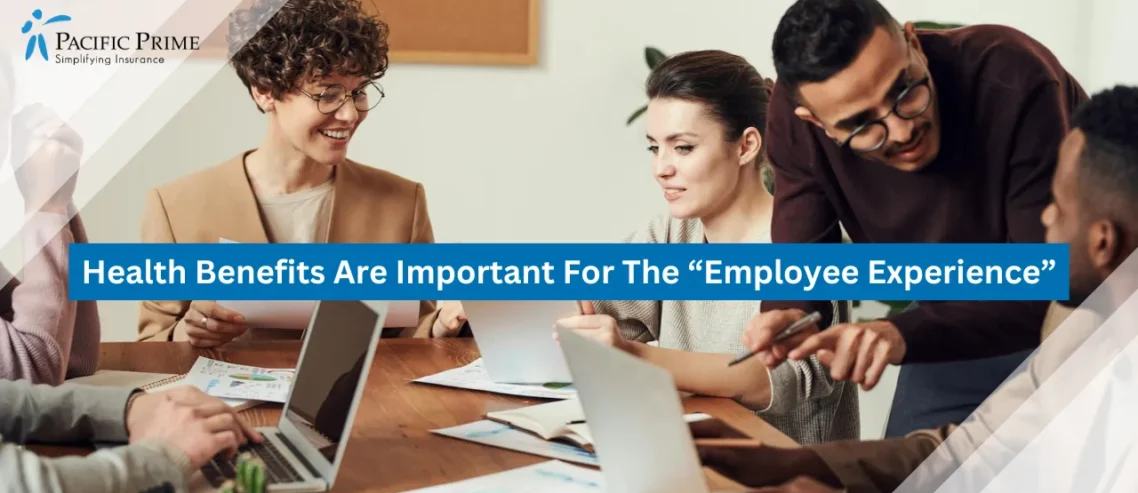
Why Health Benefits Are Important For The “Employee Experience”
Health benefits are crucial for enhancing the employee experience, as they improve job satisfaction, increase loyalty, reduce stress, and contribute to better overall well-being, which ultimately boosts productivity and helps attract and retain top talent. Recently, a new buzzword has also been circulating in the human resource world – employee experience, or EX for short. …